
Logo (SVG)
A generic sample brand logo as scalable vector graphics — a gradient mark plus a wordmark — for testing SVG rendering, rasterisation, and vector-to-raster conversion. Opens in the in-browser editor.
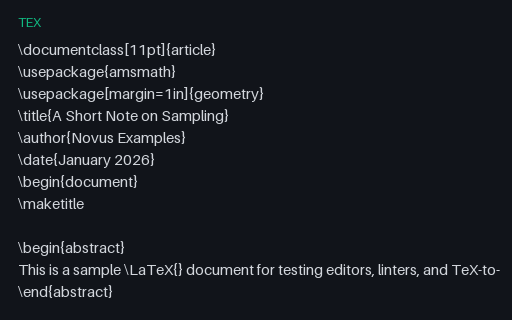
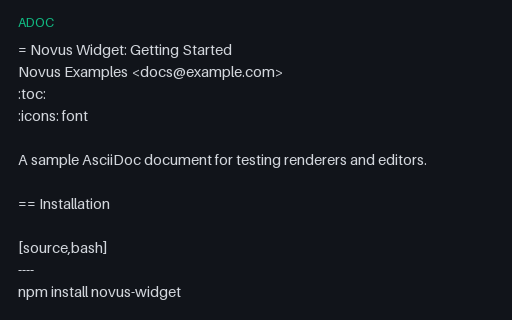
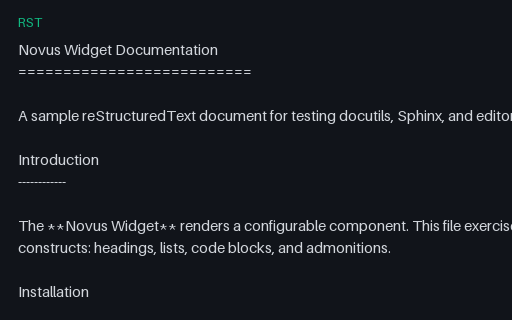
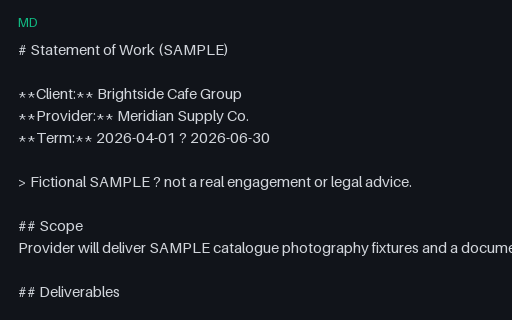
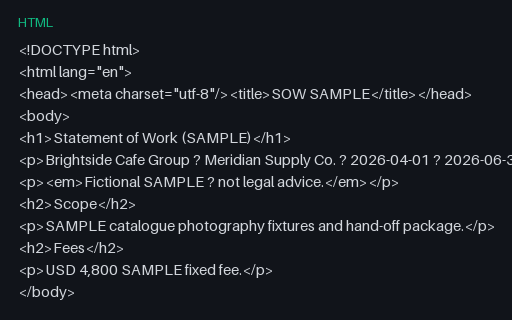
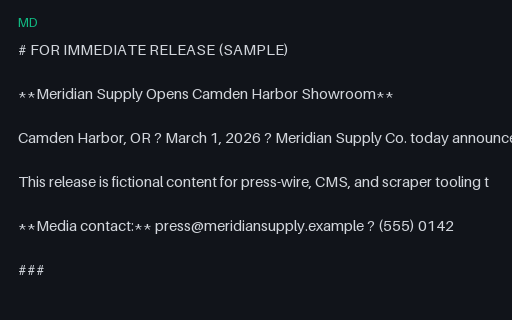
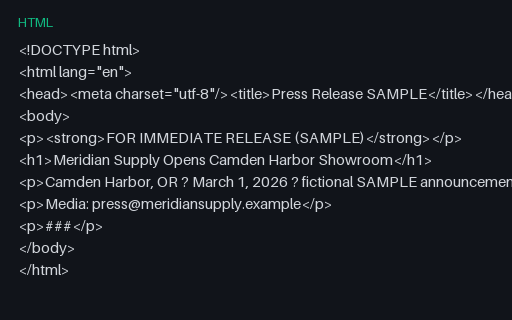
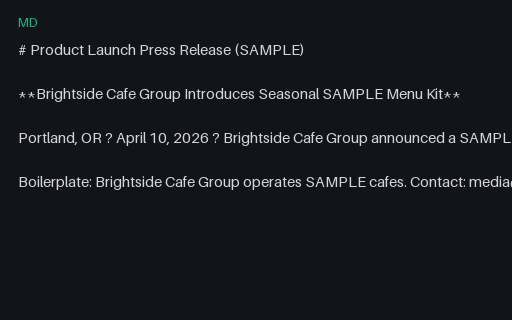
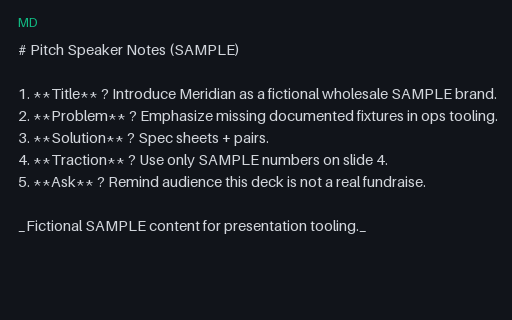
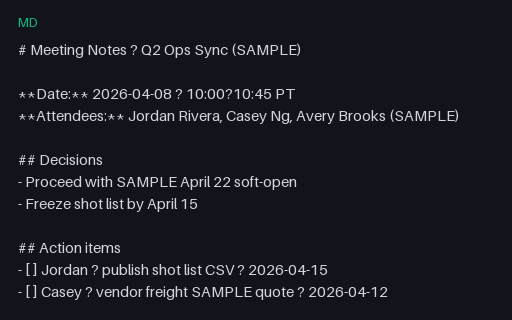
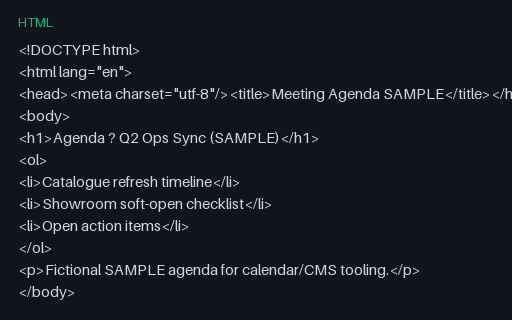
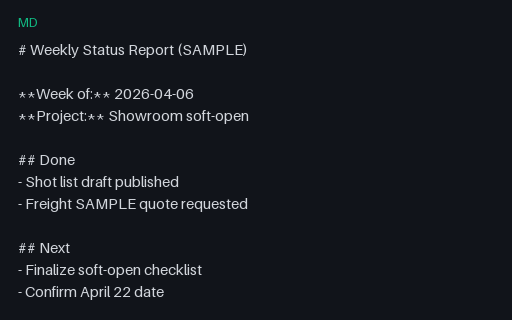
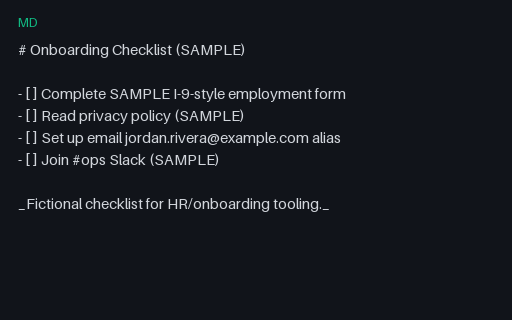
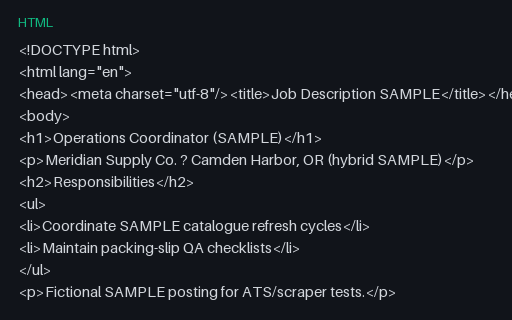
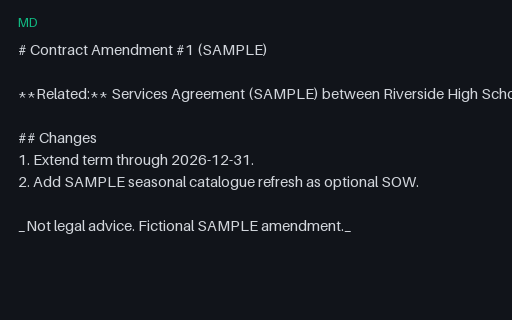
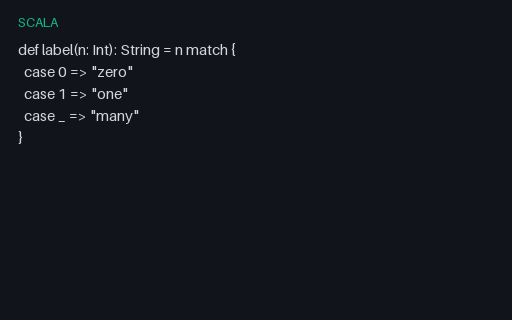
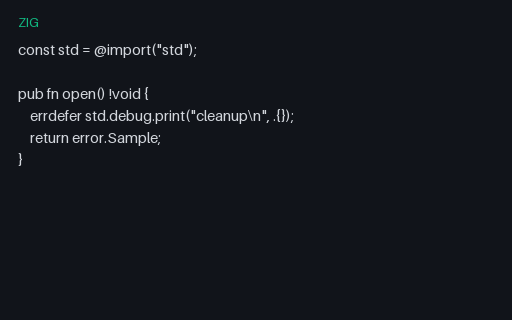
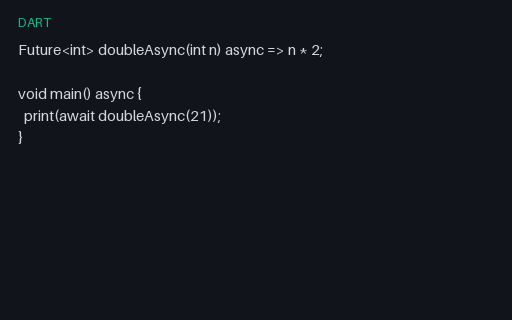
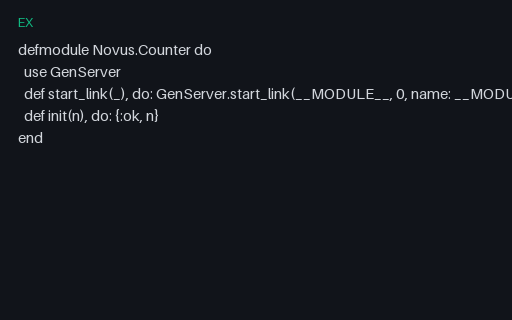
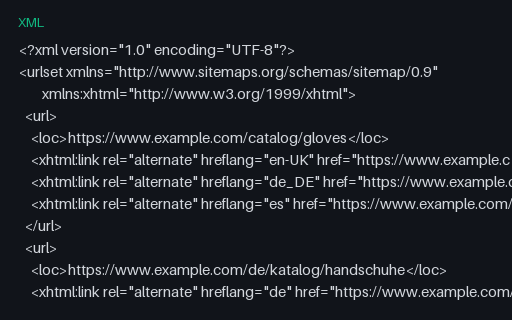
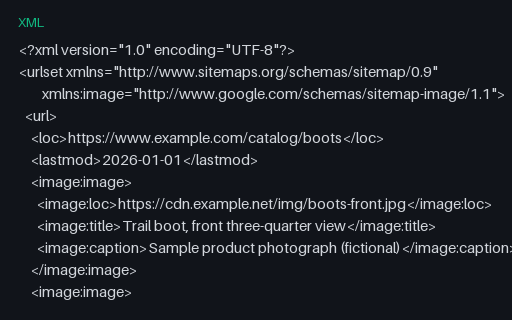
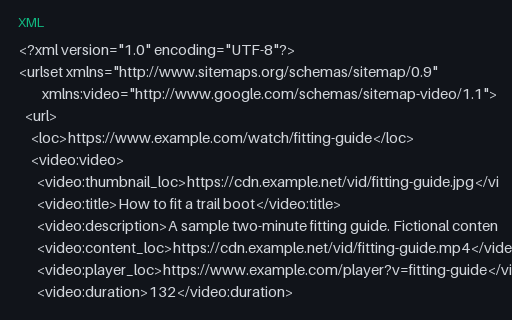
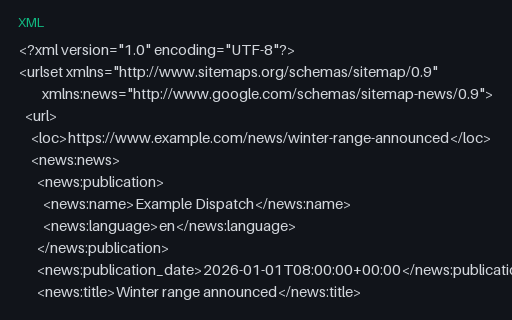
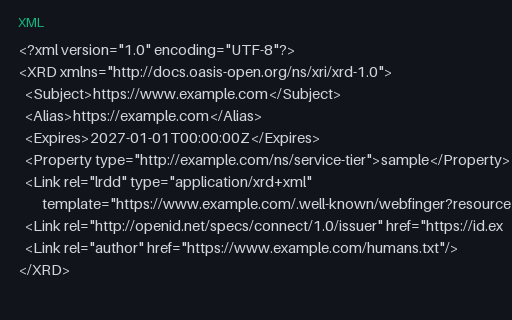
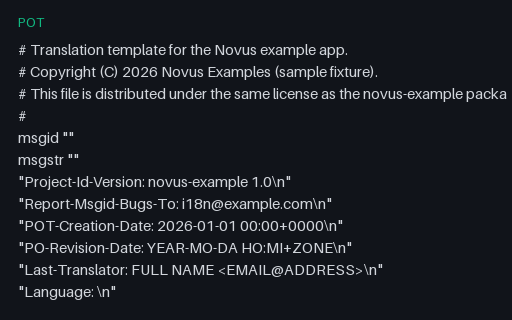
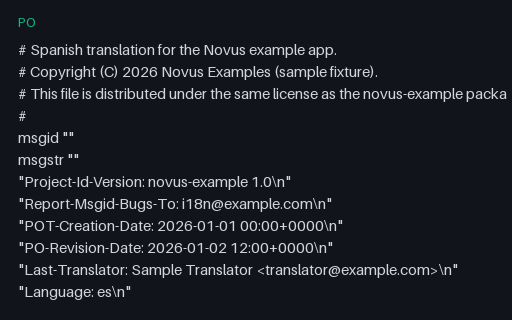
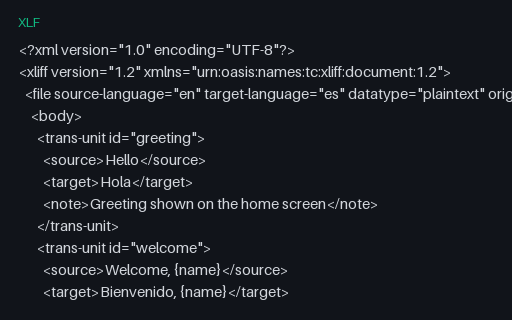
Text-based files you can open, edit, and download directly in the browser editor.
A generic sample brand logo as scalable vector graphics — a gradient mark plus a wordmark — for testing SVG rendering, rasterisation, and vector-to-raster conversion. Opens in the in-browser editor.
A single stroke-style UI icon (a document) as a 24×24 SVG — the kind of vector icon used in interfaces, for testing icon rendering, recolouring, and SVG-to-PNG conversion.
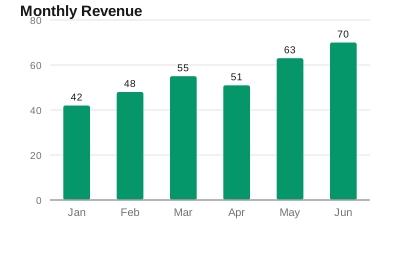
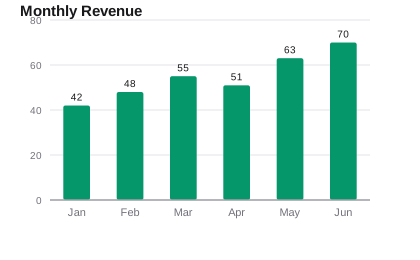
A bar chart drawn as vector SVG — axis, gridlines, labelled bars — the scalable counterpart to the raster chart images, for testing SVG chart rendering and vector conversion.
An animated loading spinner using SMIL (animateTransform) — a self-contained animated SVG for testing whether a renderer or converter handles SVG animation, and how it rasterises an animated frame.
A flat vector landscape — gradient sky, sun, layered hills, and trees built from bezier paths — a richer SVG for testing gradient and path rendering, thumbnailing, and vector conversion.
A valid Jupyter notebook (nbformat 4.5) with markdown cells, code cells, and real outputs (stdout stream and an execute result) — for testing notebook parsers, nbconvert, and JSON tooling.
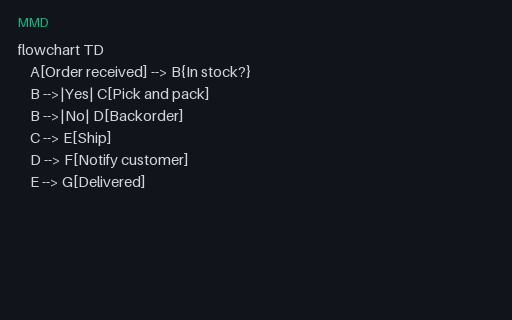
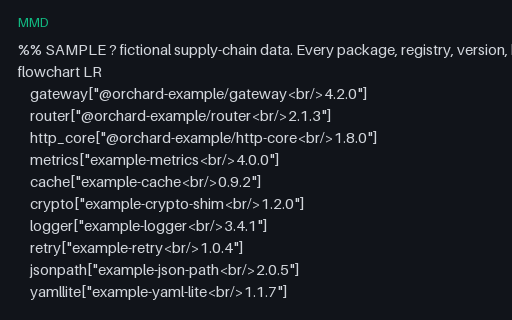
A Mermaid flowchart of an order-fulfilment process as diagrams-as-code — for testing Mermaid rendering, diagram-to-image conversion, and Markdown pipelines that embed Mermaid.
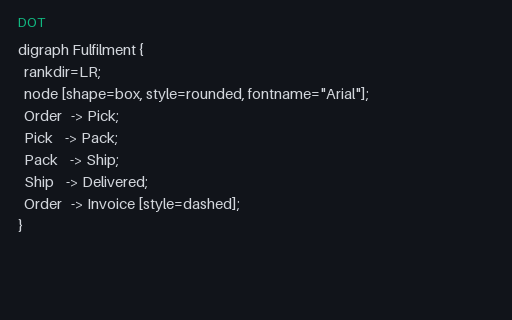
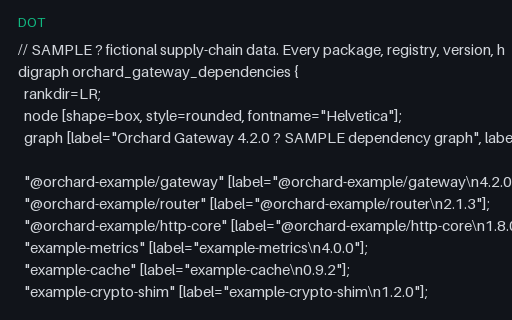
A Graphviz DOT directed graph describing a fulfilment pipeline — for testing DOT parsing, Graphviz rendering, and DOT-to-SVG/PNG conversion.
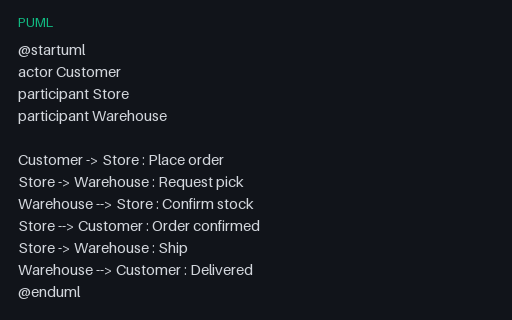
A PlantUML sequence diagram of an order interaction (customer, store, warehouse) as diagrams-as-code — for testing PlantUML parsing and diagram rendering pipelines.
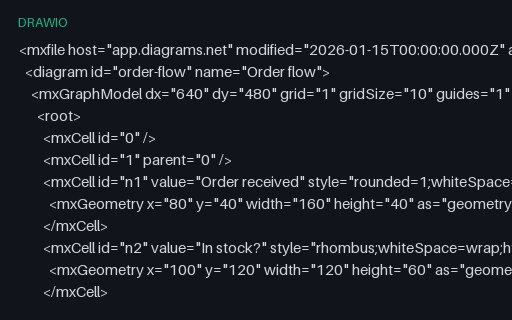
A draw.io (diagrams.net) diagram in its native mxGraphModel XML — a small flowchart — for testing draw.io import/export and XML parsing of diagram files.
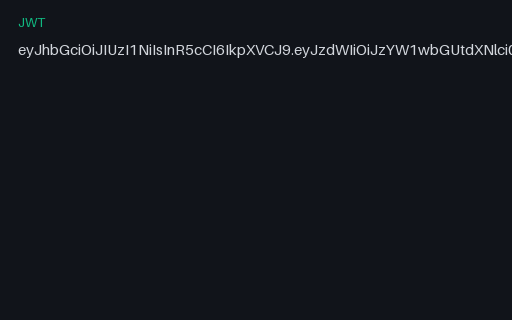
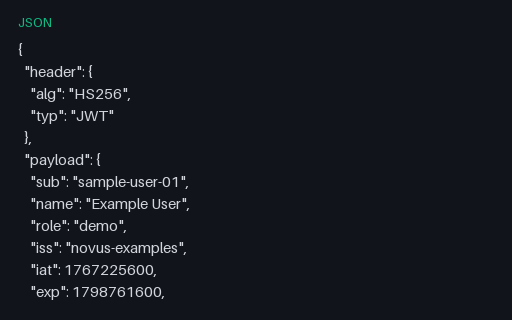
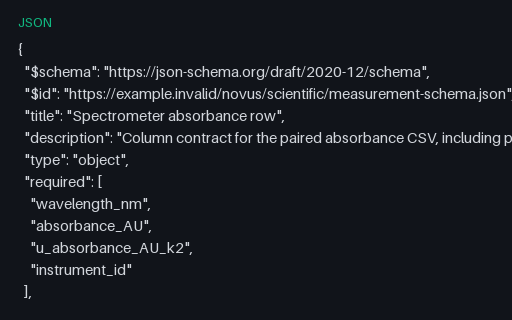
A sample JSON Web Token (JWT) signed with HS256 using a published example secret — verifiable but powerless — for testing JWT decoders and validators. Sample only, never for production. Paired with its decoded claims.
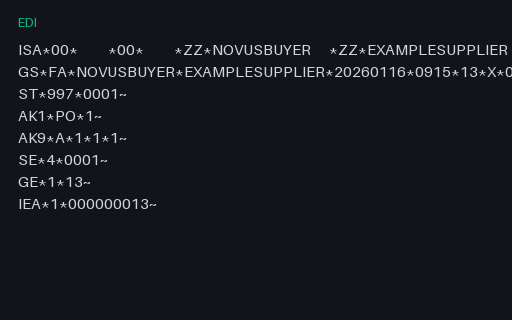
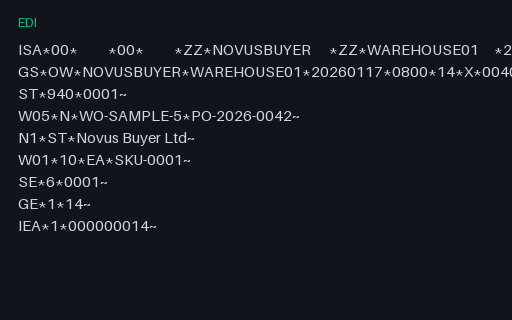
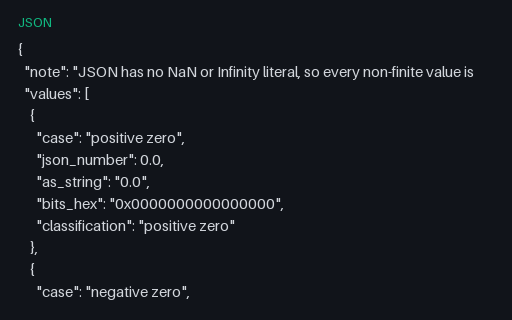
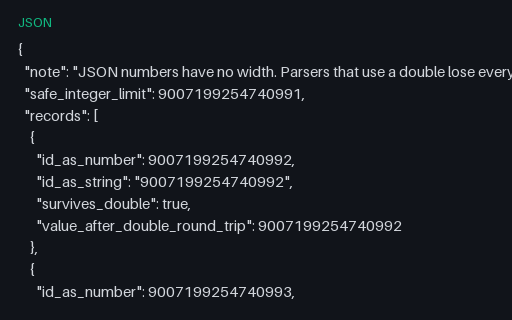
The decoded header and payload of the sample JWT as JSON, alongside the public signing secret and algorithm — the ground truth for checking a JWT decoder's output.
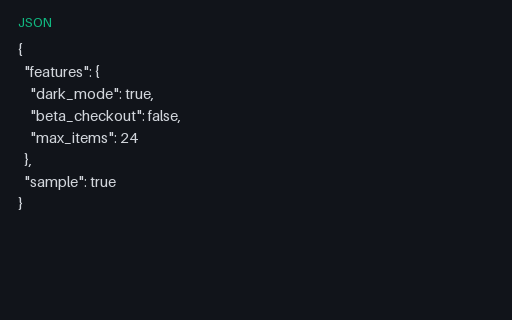
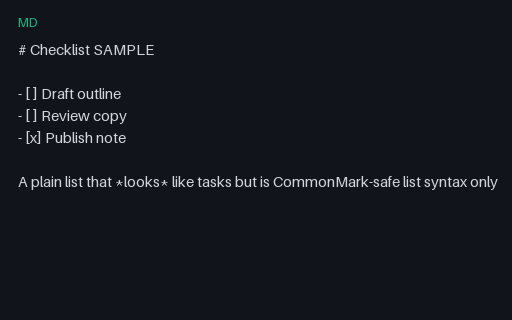
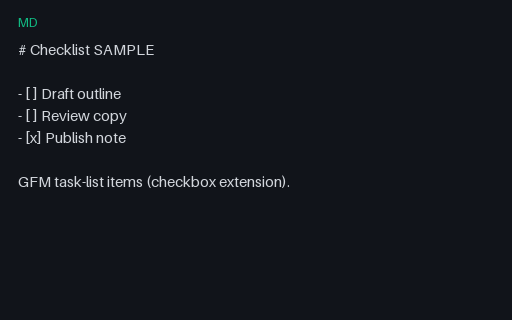
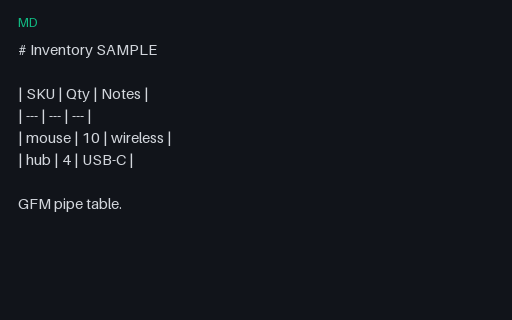
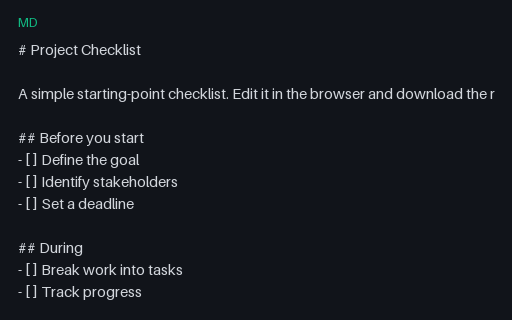
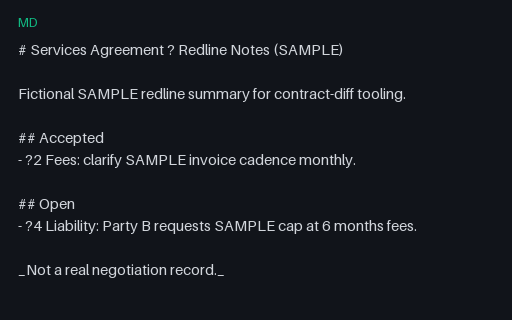
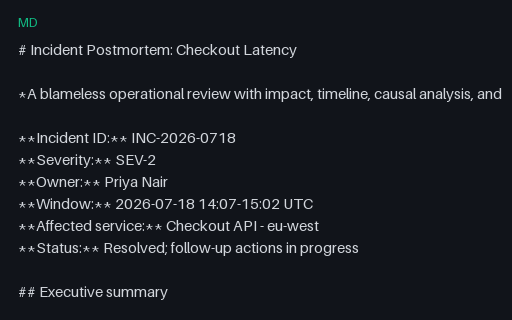
A Markdown checklist template with task-list checkboxes — opens directly in the in-browser editor.
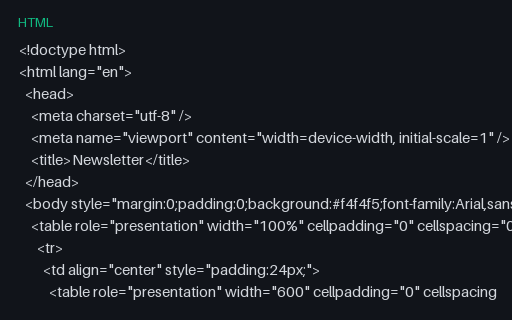
A responsive, table-based HTML email template with inline styles — a header, body, button, and footer. Opens in the in-browser editor.
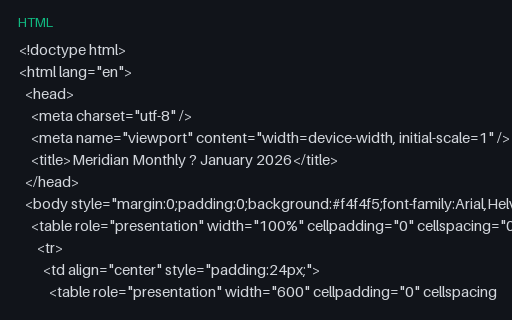
The newsletter as a responsive, table-based HTML email with inline styles — a masthead, three articles, and a call-to-action button. Opens in the in-browser editor; twin of the DOCX version.
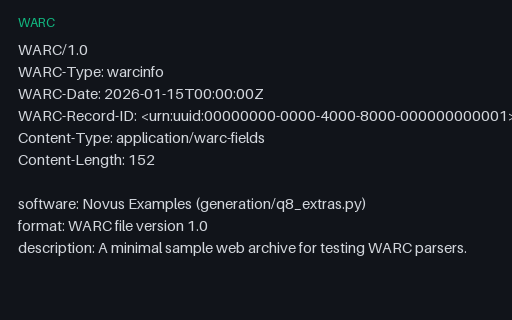
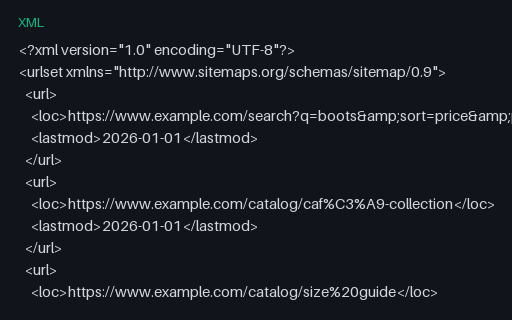
A minimal WARC 1.0 web archive with a warcinfo record and an HTTP response record capturing a small HTML page — for testing WARC parsers and web-archive tooling.
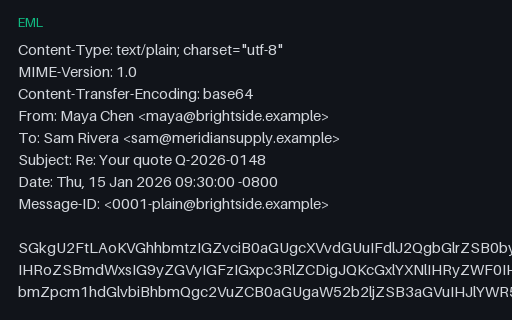
A standards-compliant plain-text email message (.eml) with full headers — the simplest valid RFC 822 message for testing email header parsing and EML import.
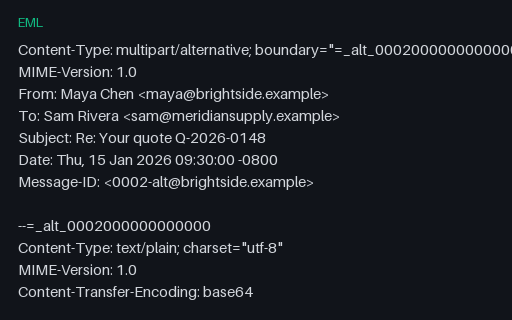
A multipart/alternative email carrying both a plain-text and an HTML body — for testing MIME part selection, HTML-part handling and sanitising, and multipart parsing.
We use Google Analytics. It sets no analytics cookies until you allow the Analytics category below. See our cookie policy.