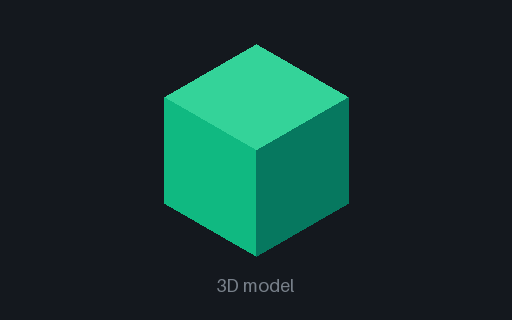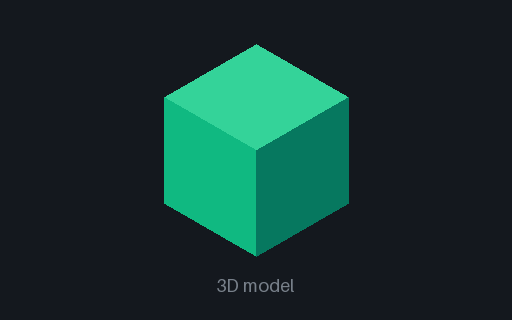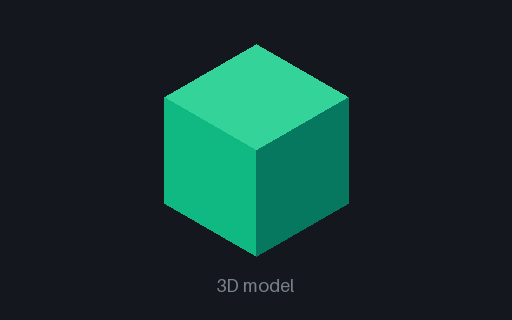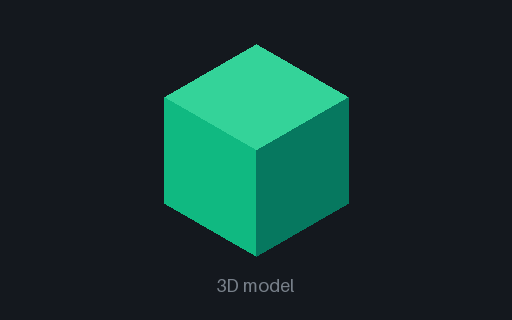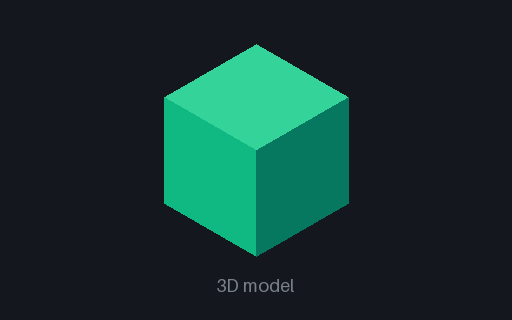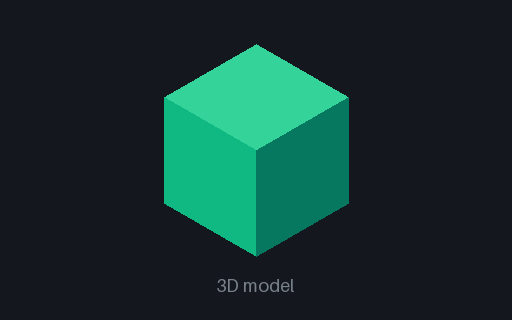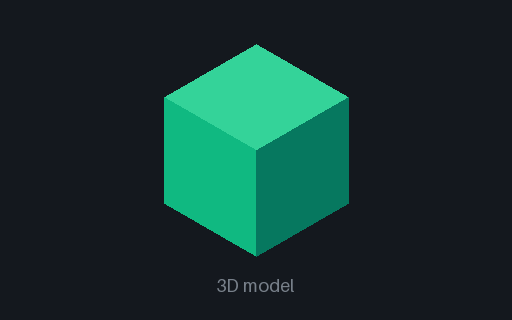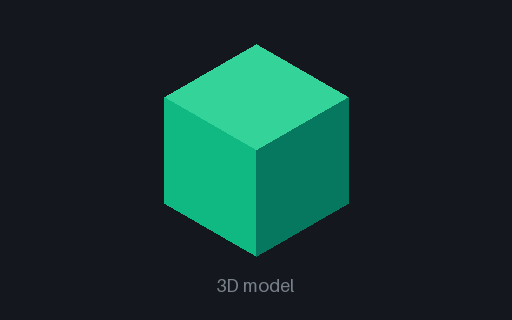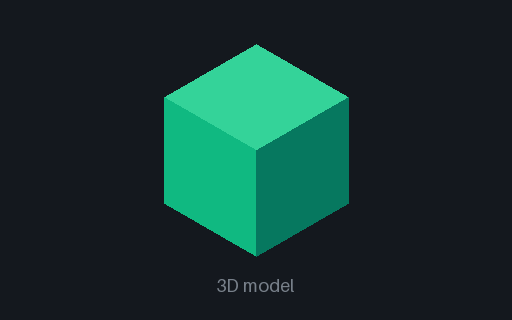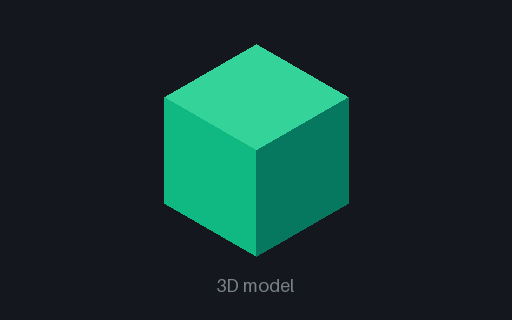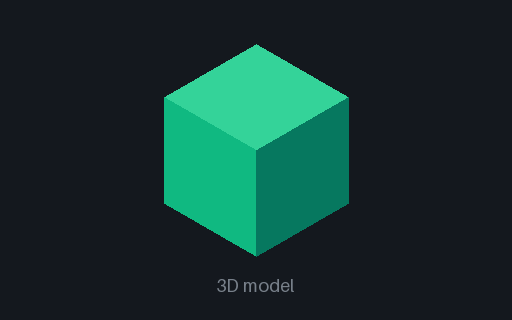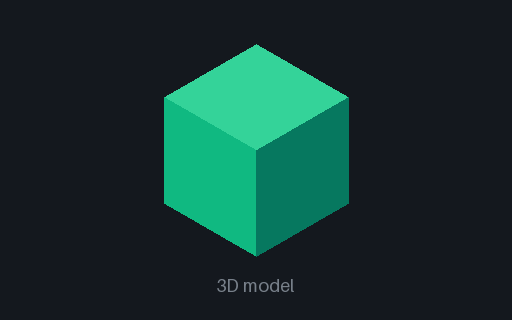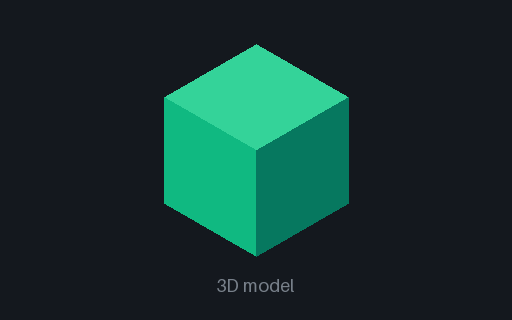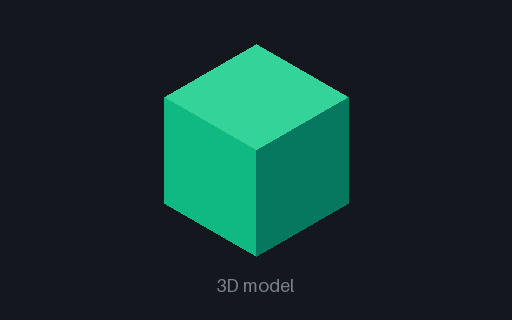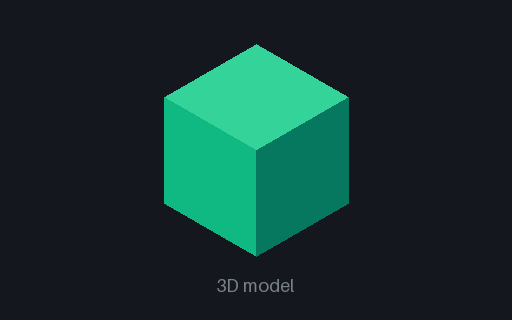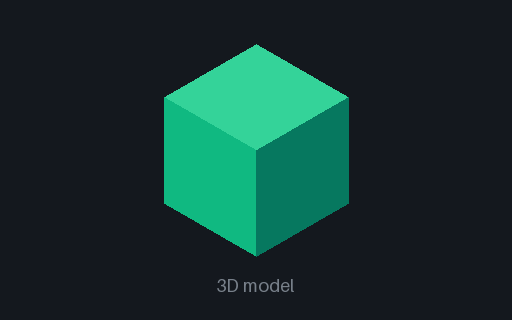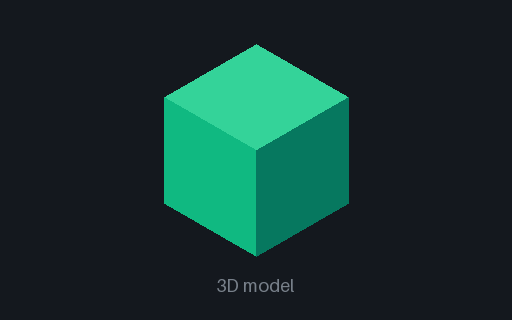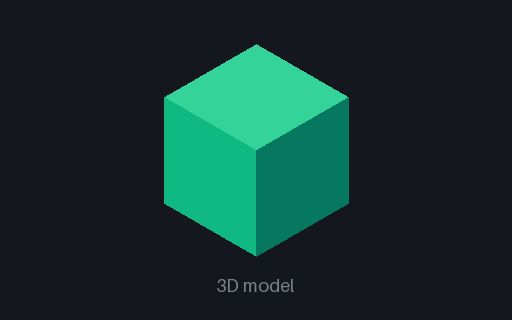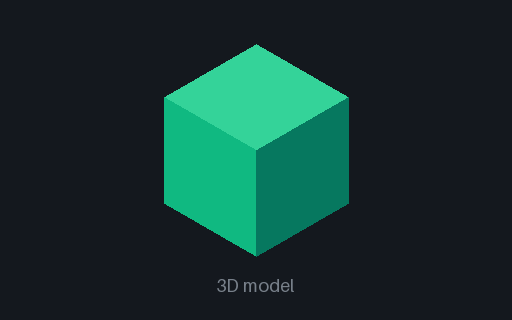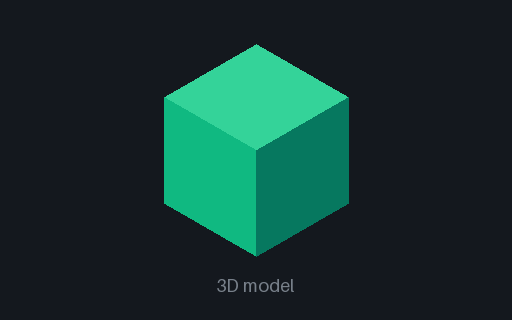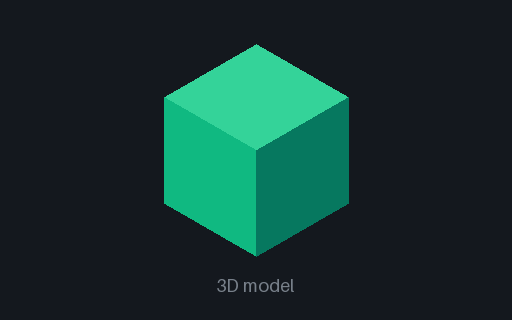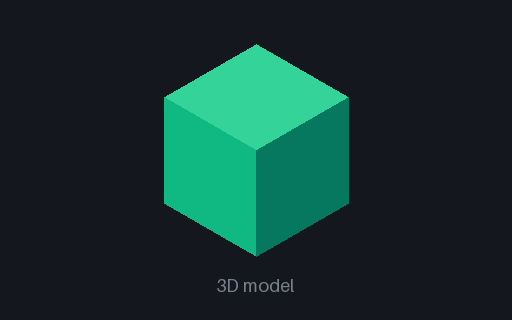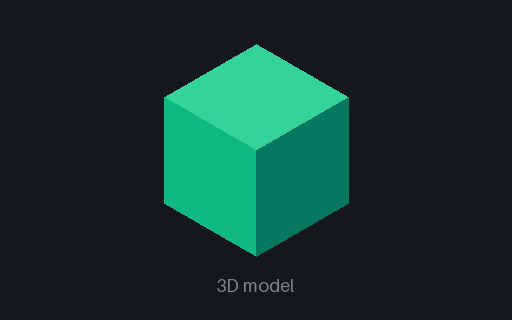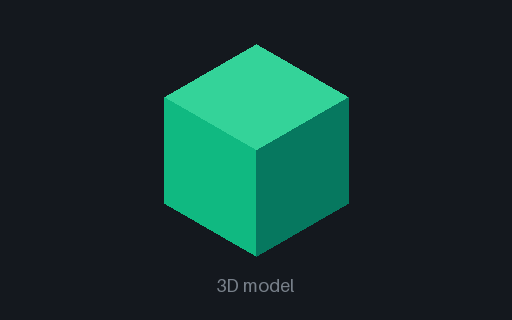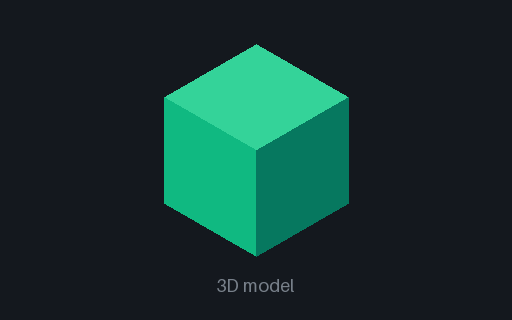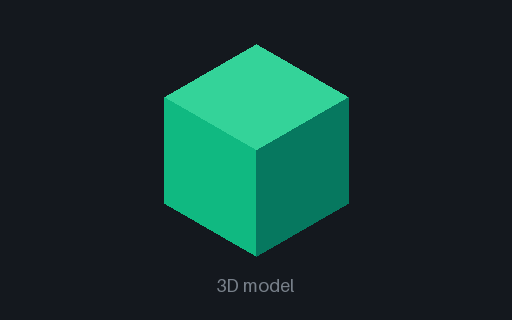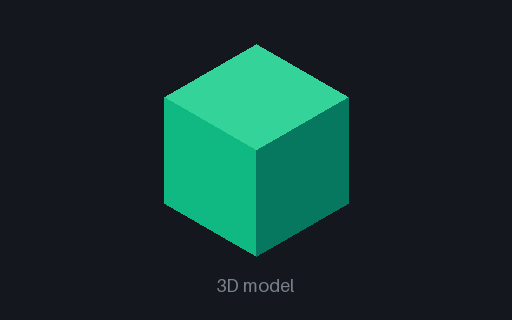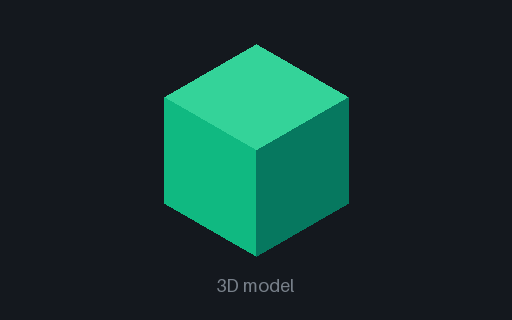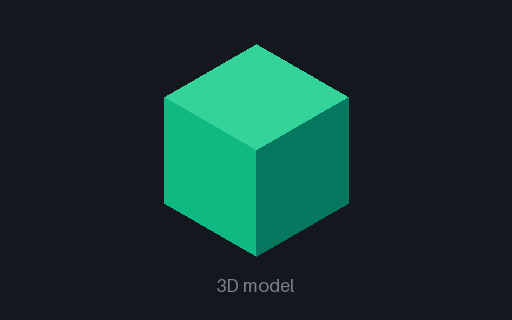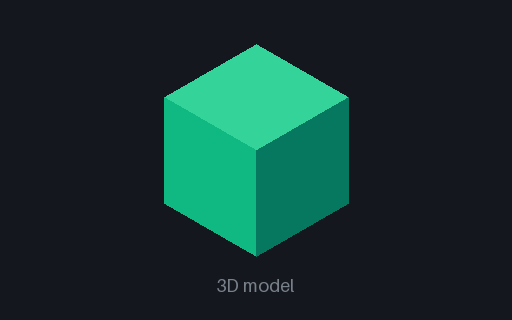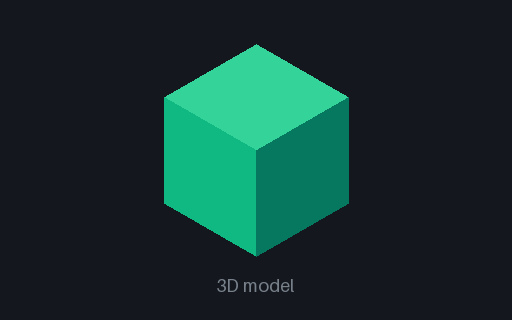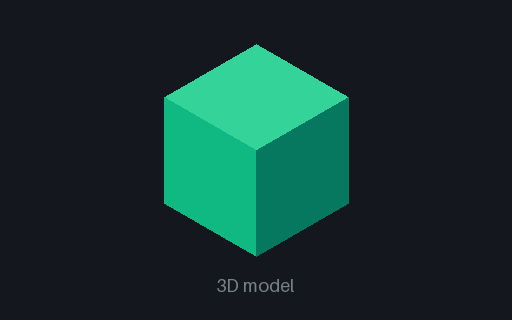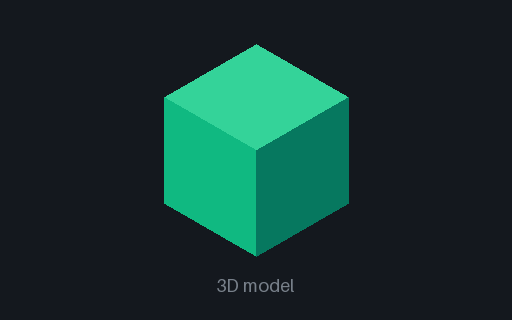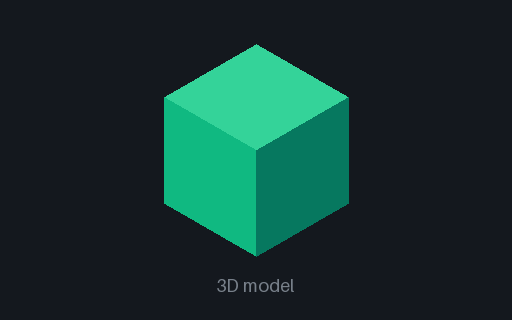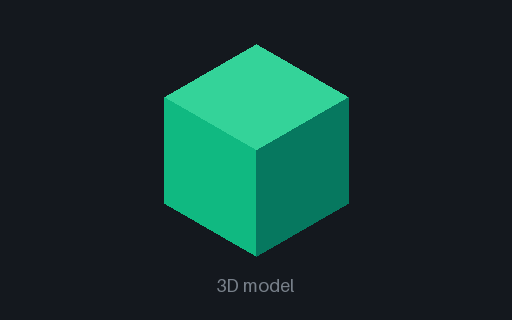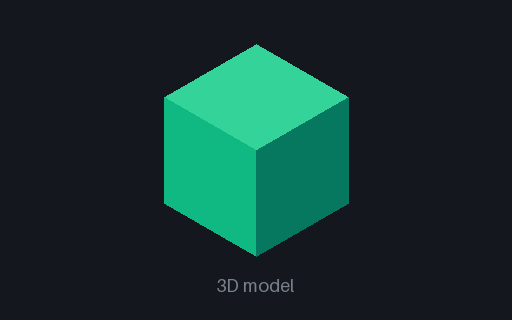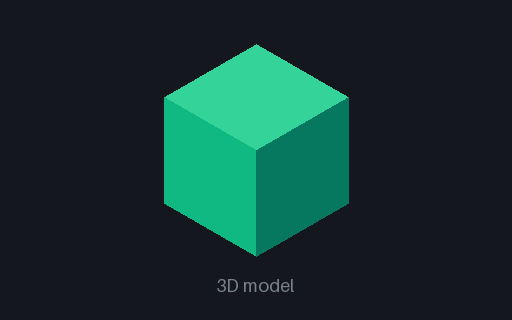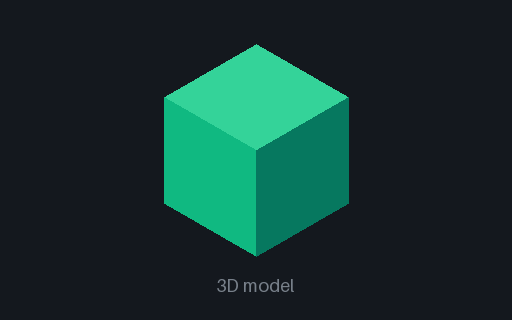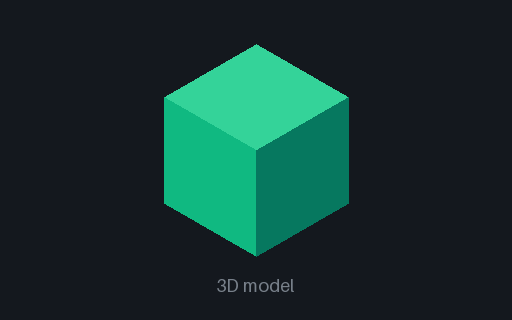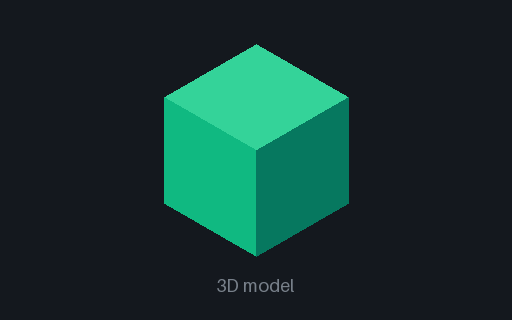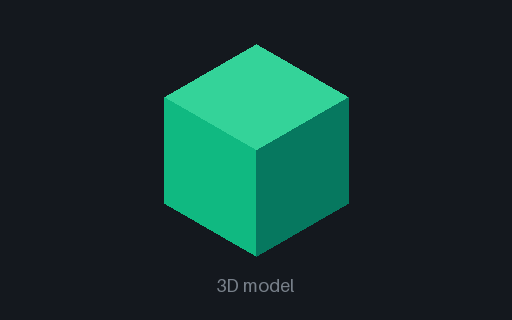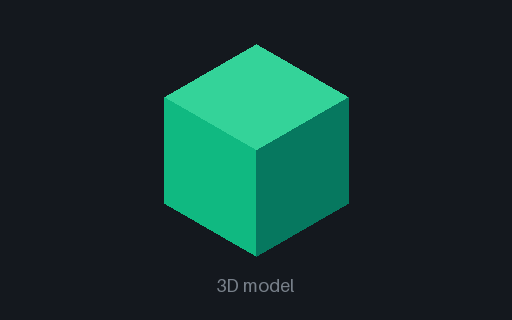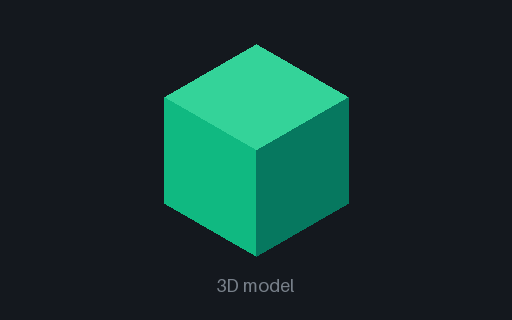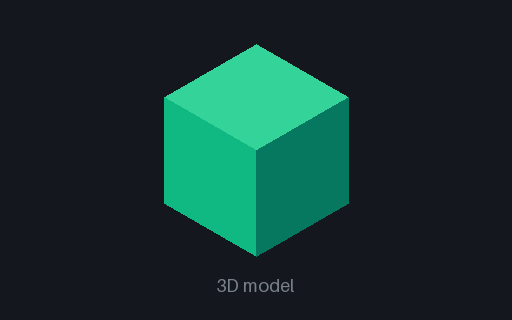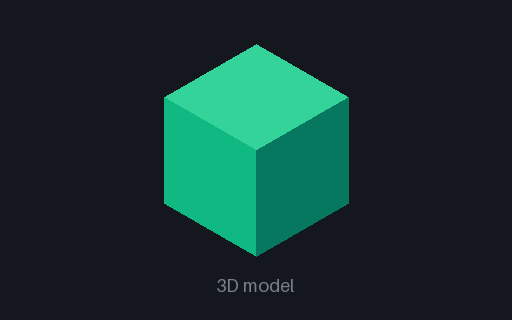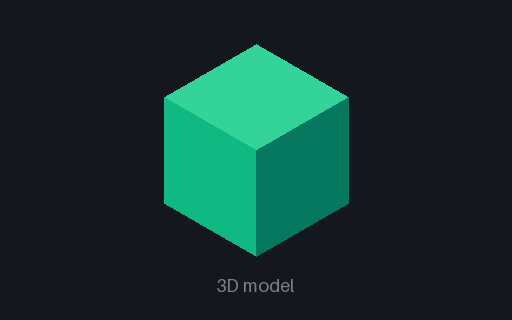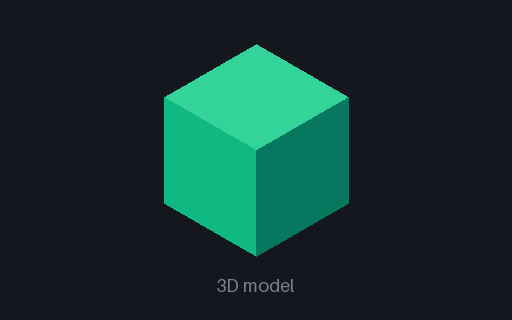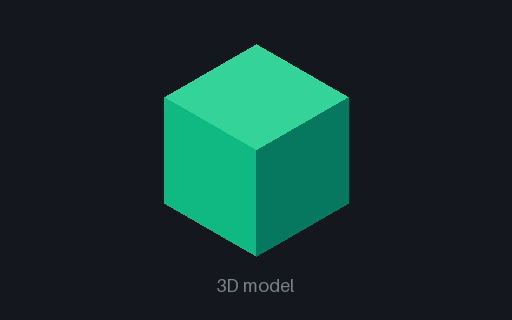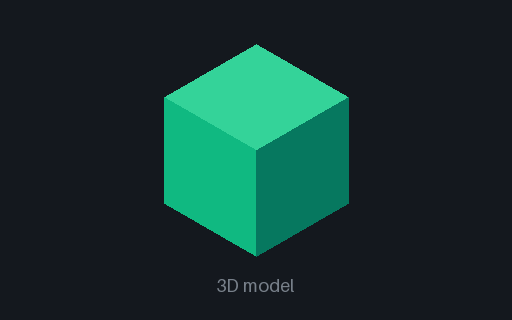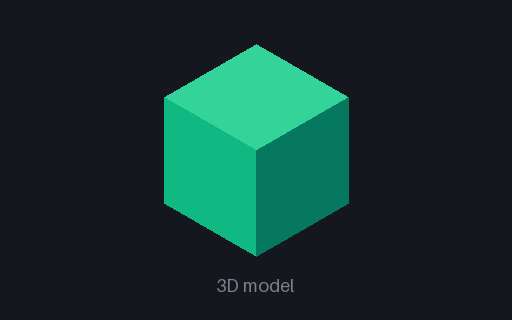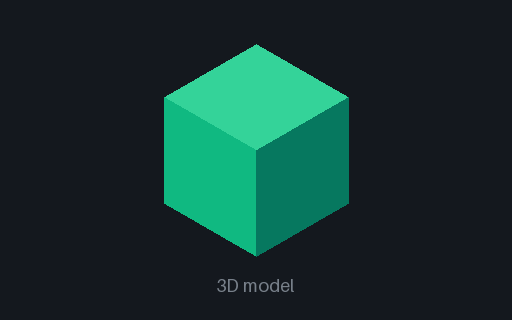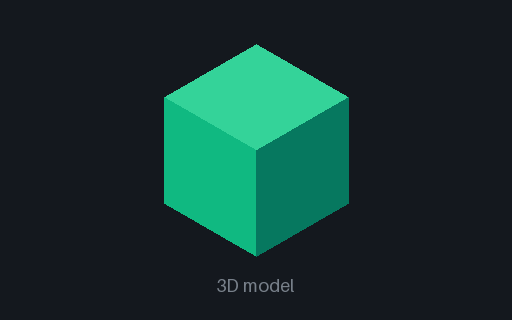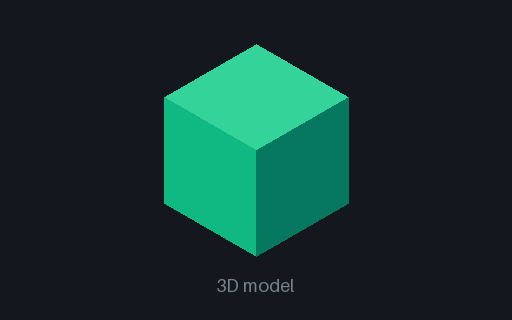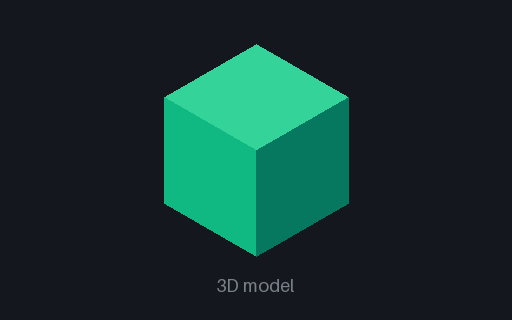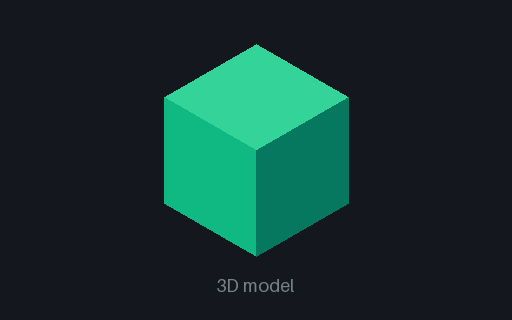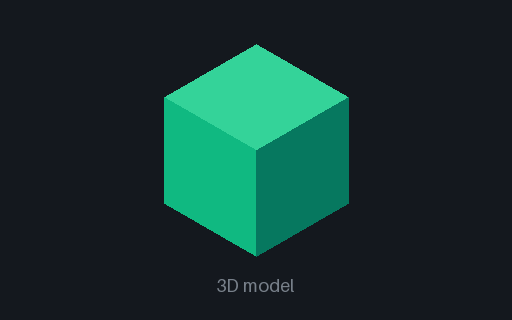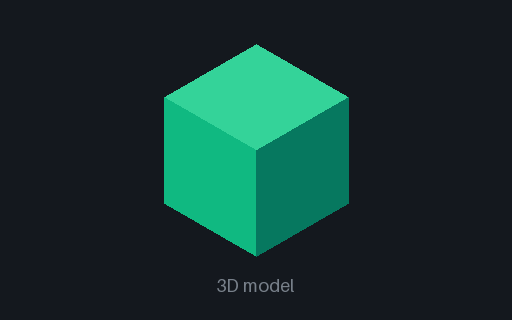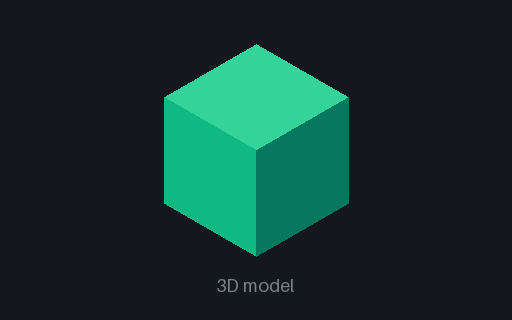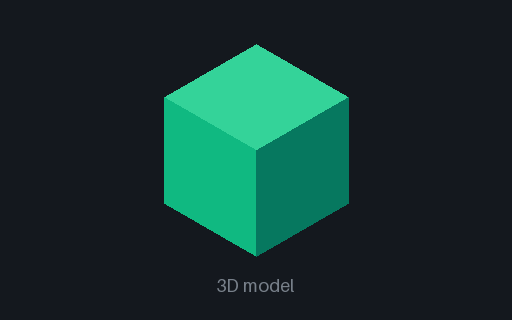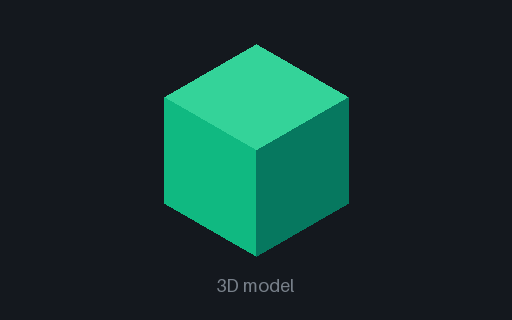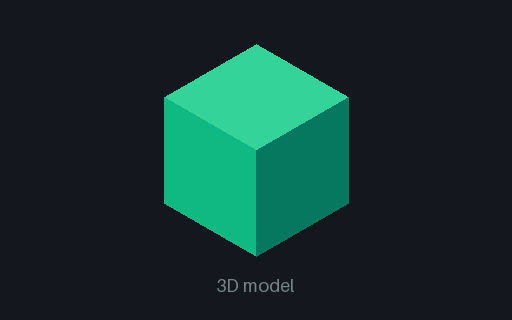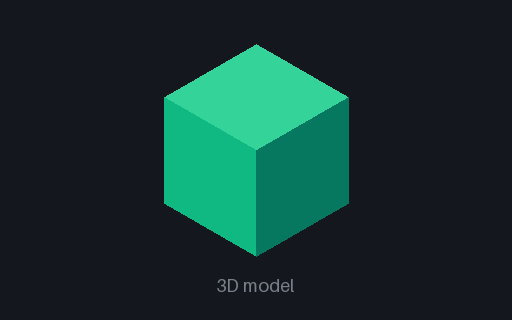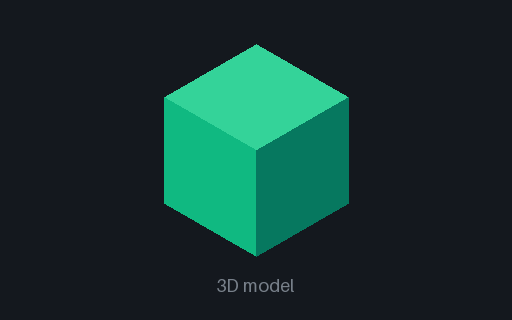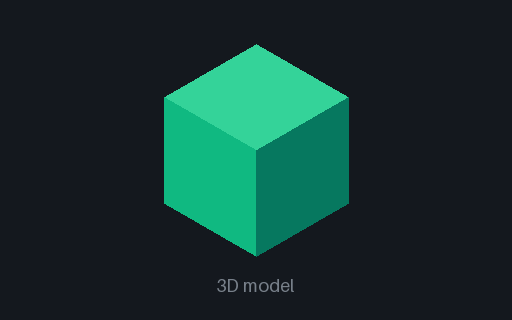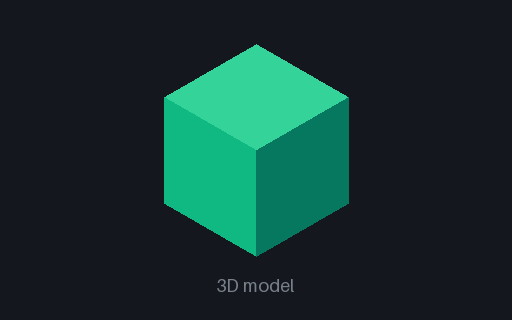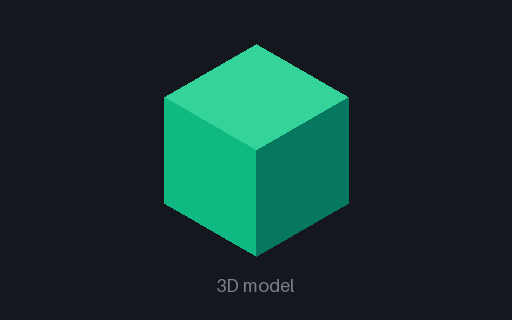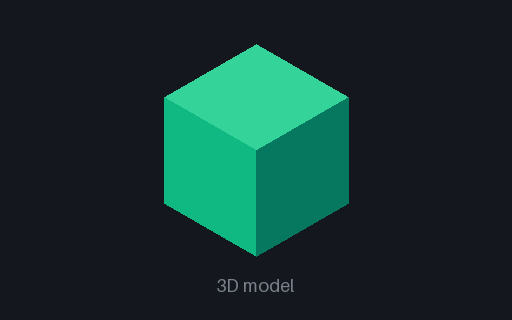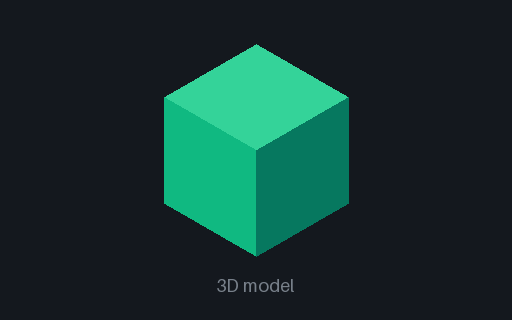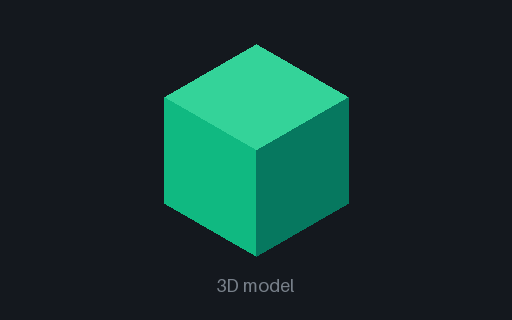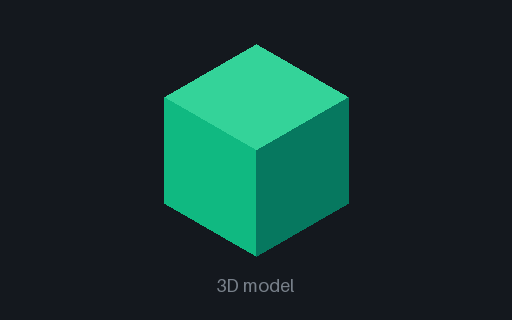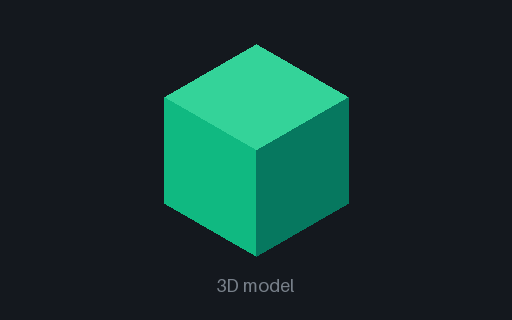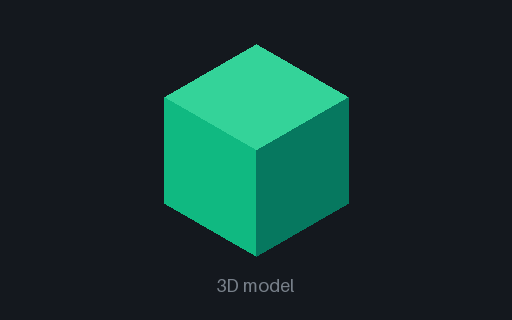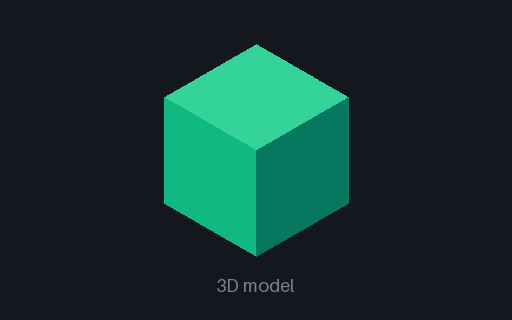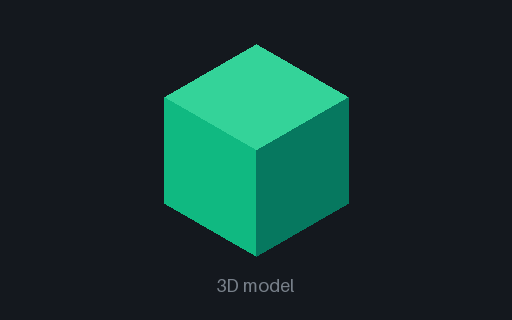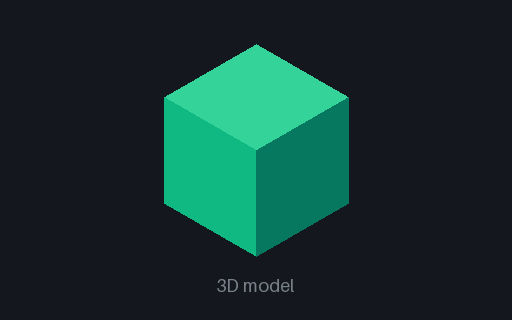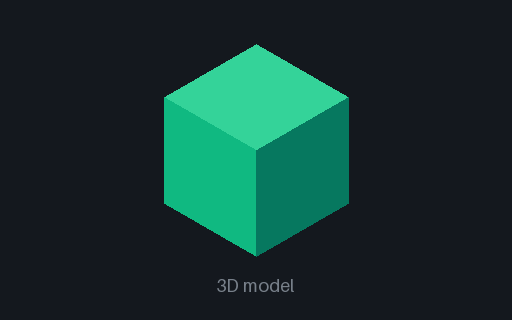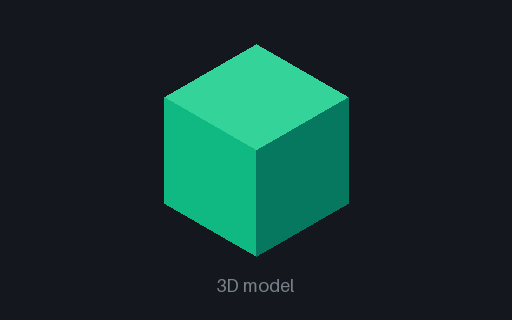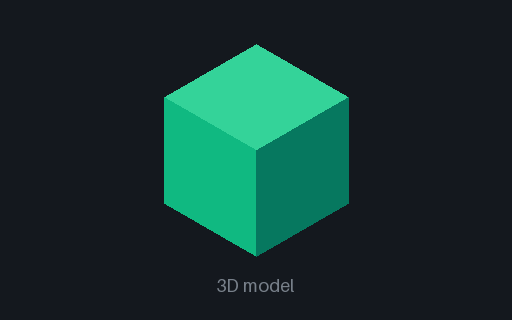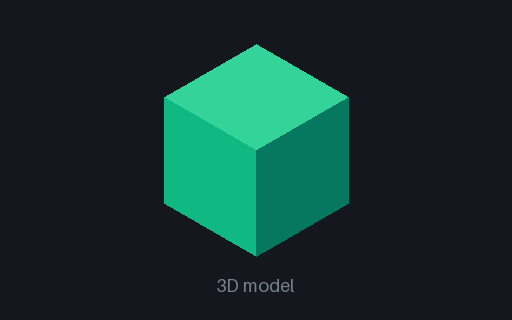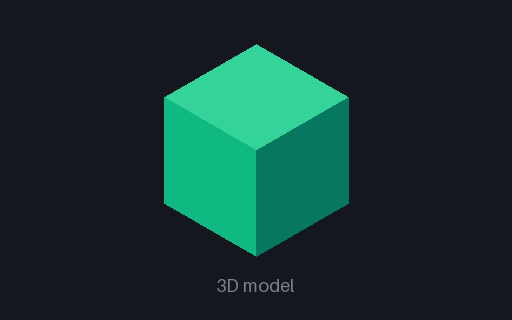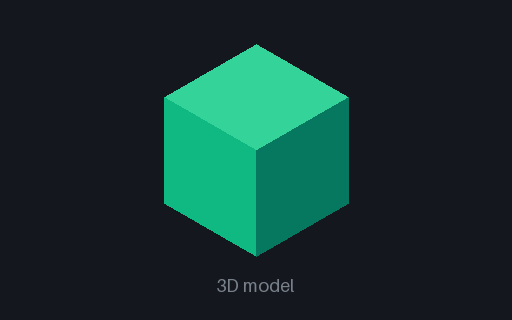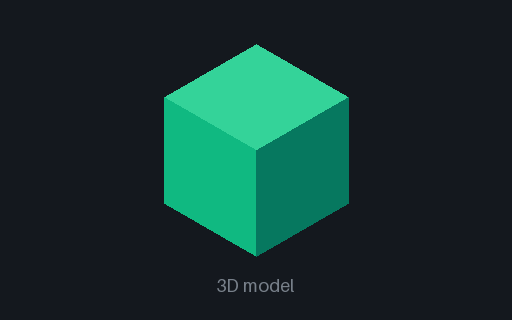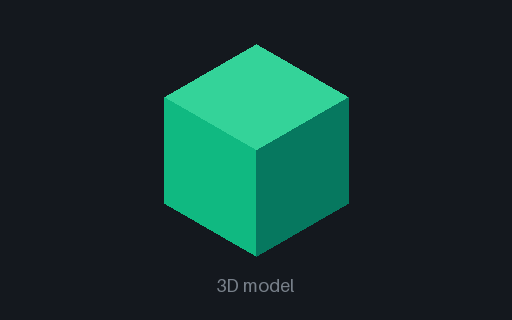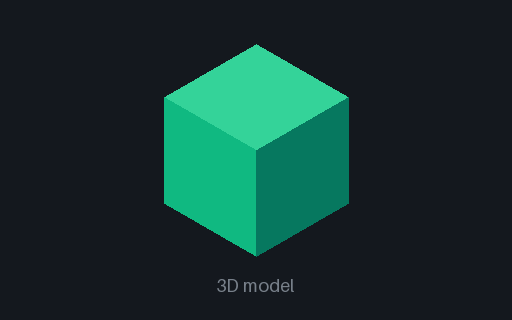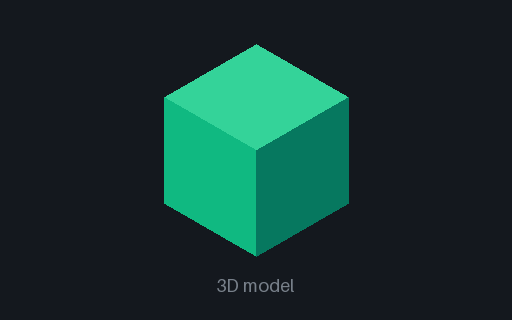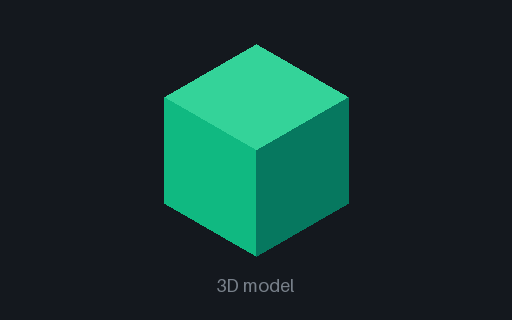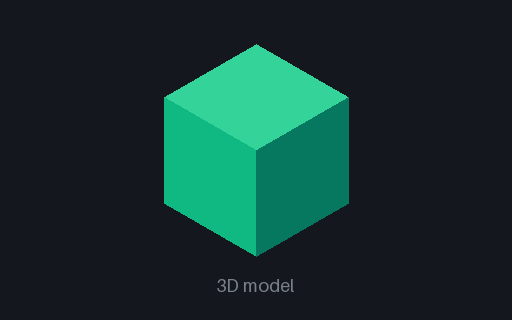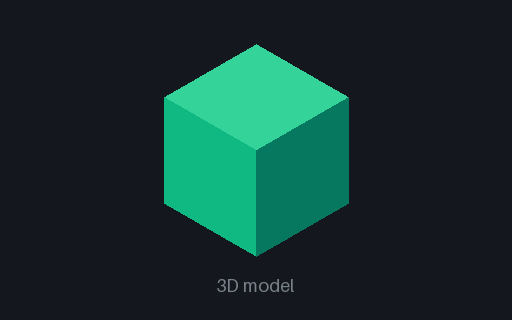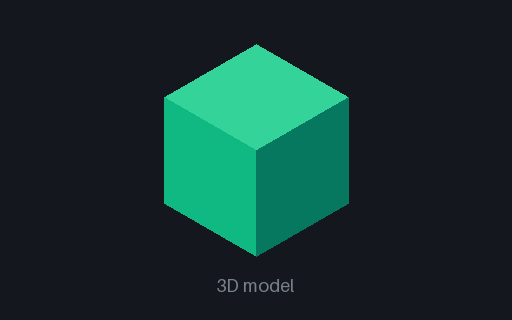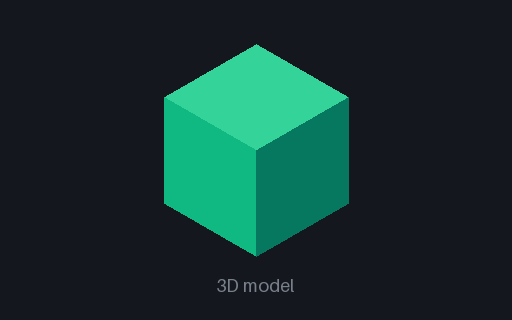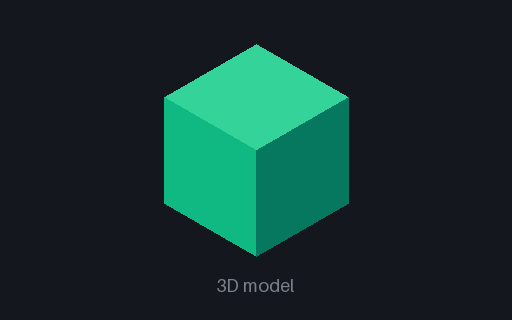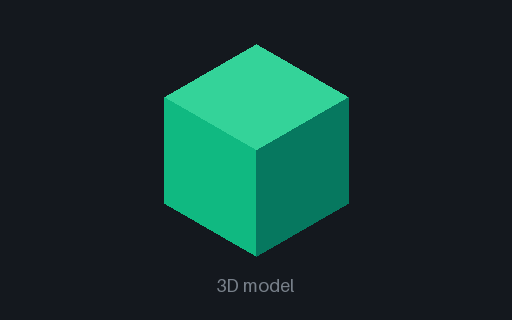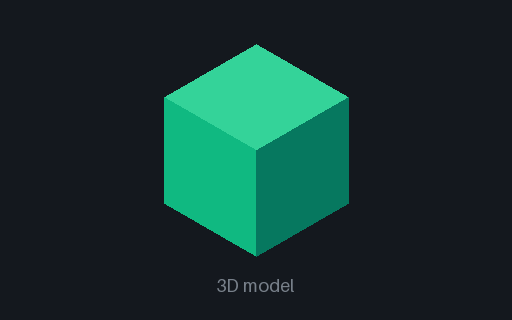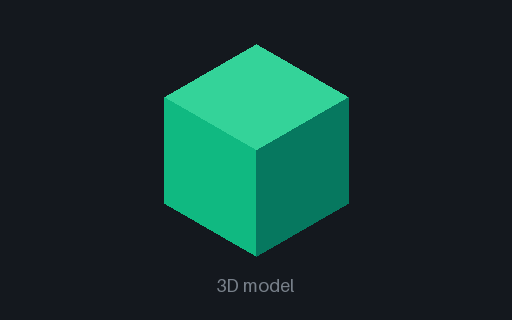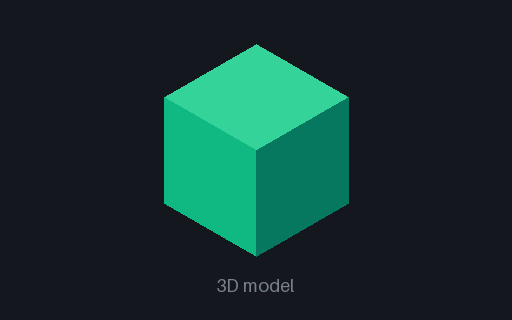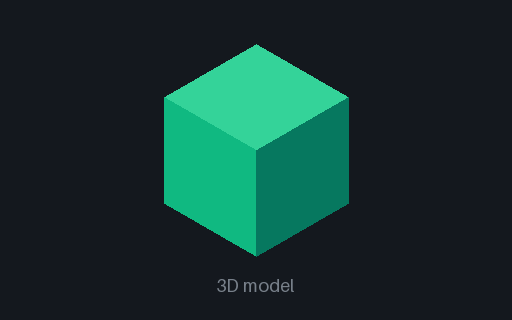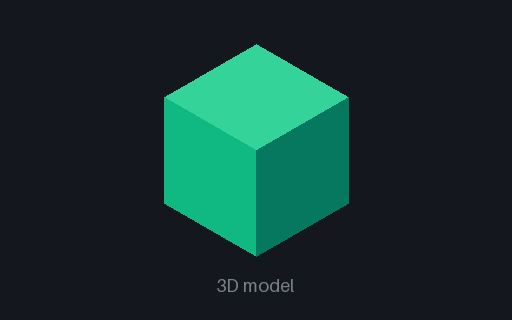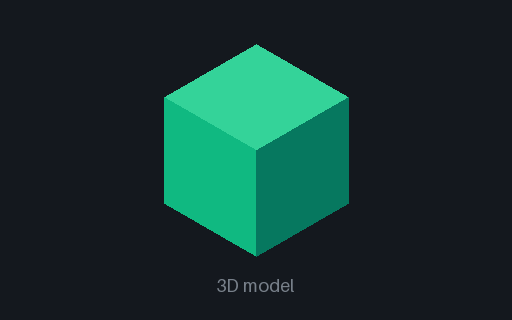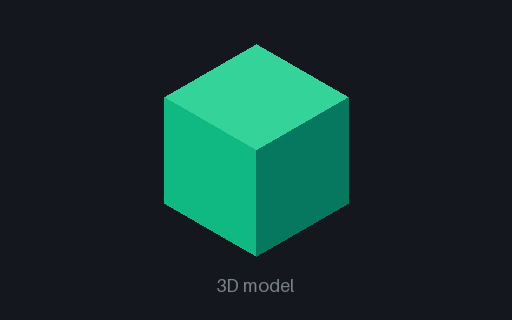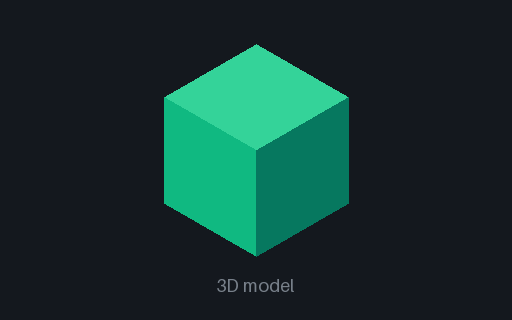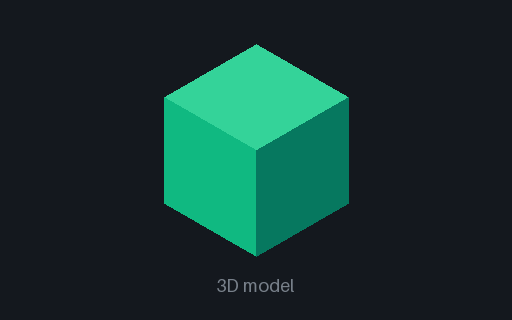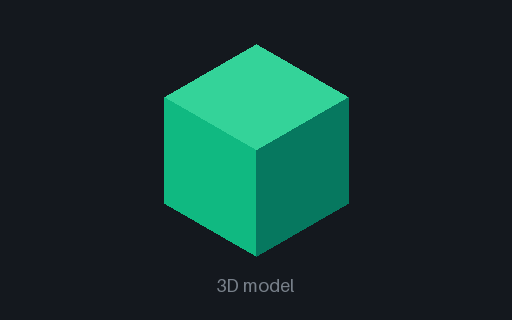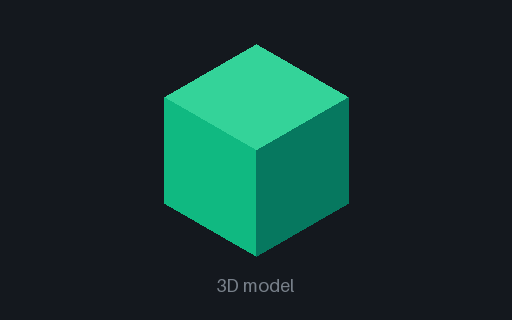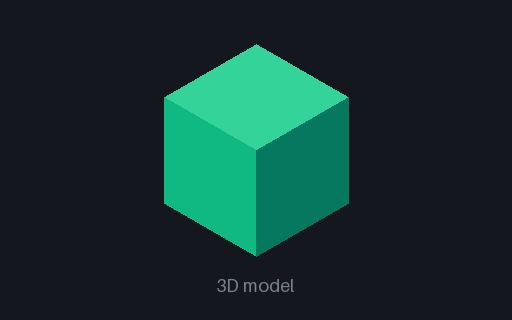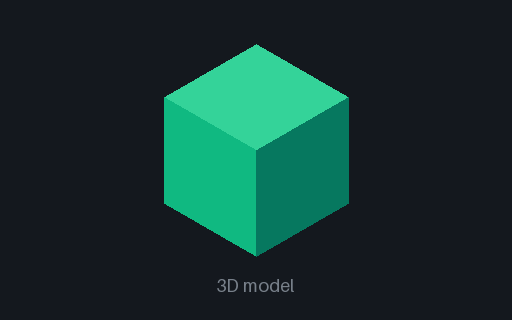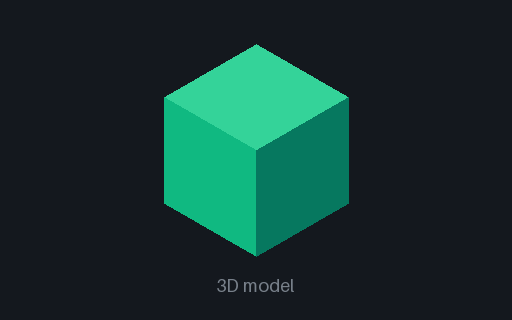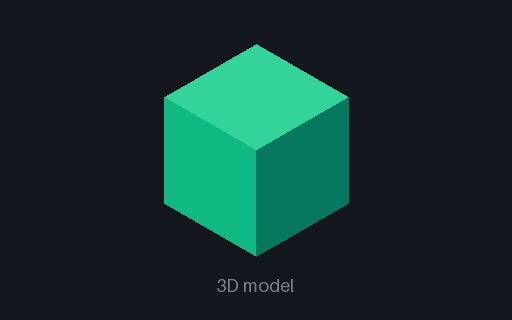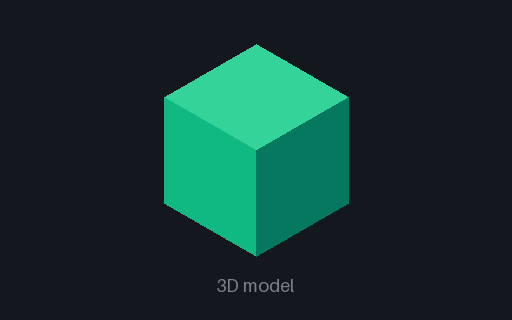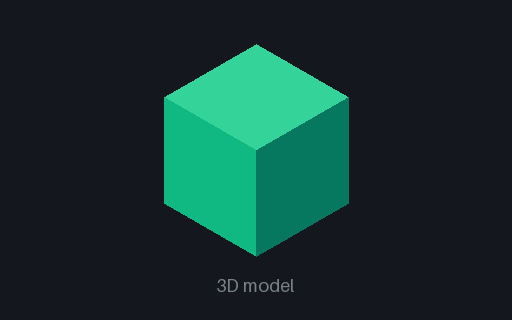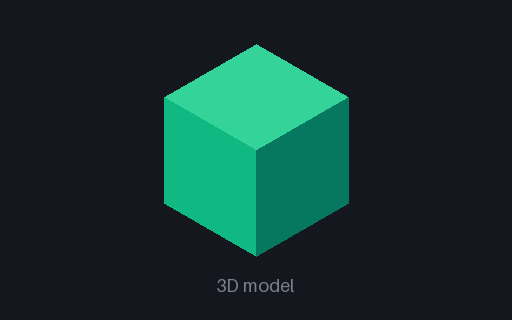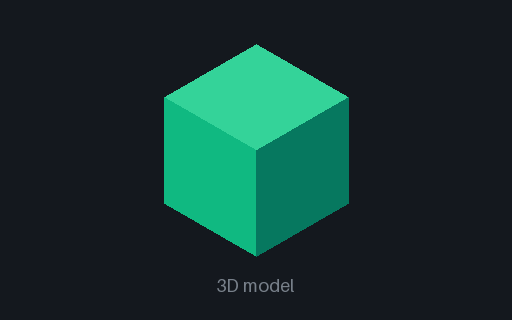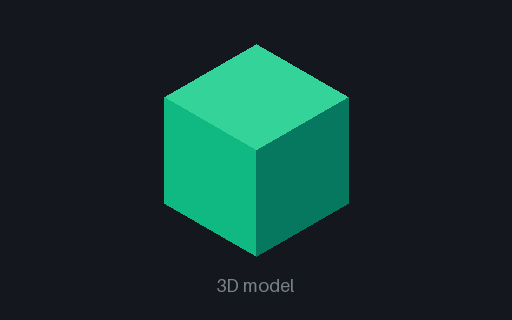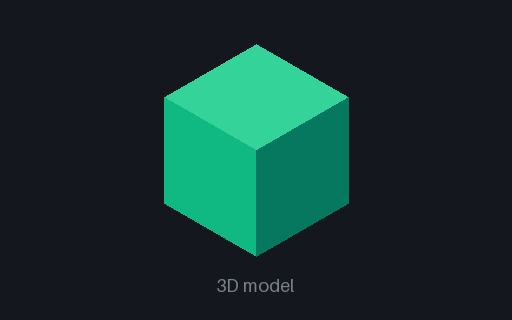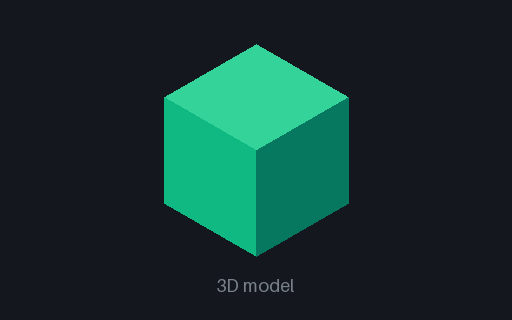
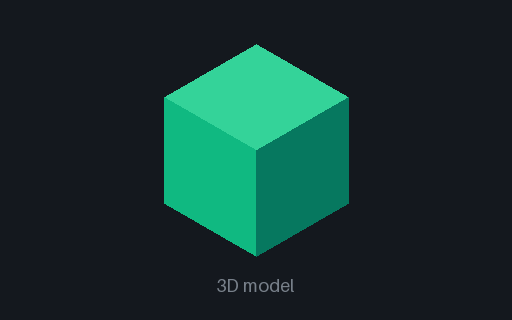
3MF — Manufacturing Cube
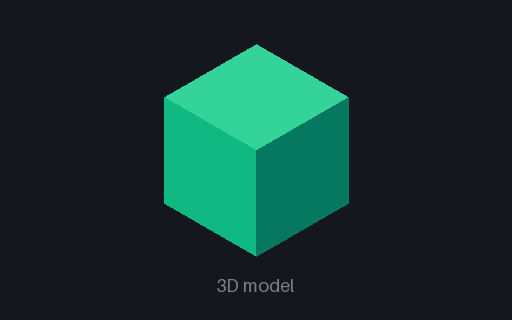
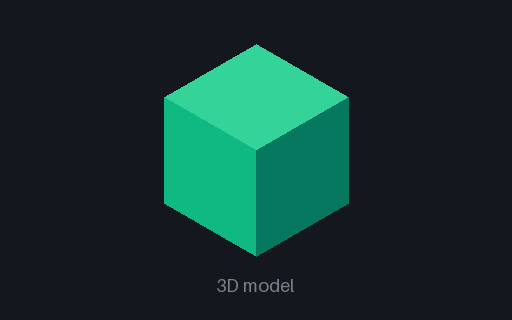
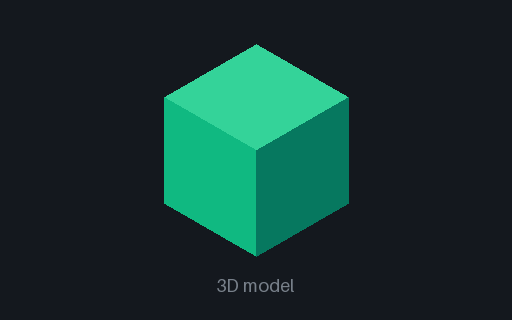
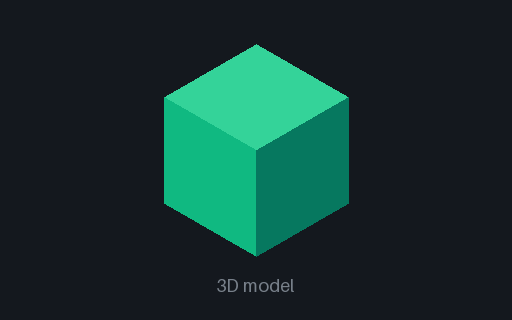
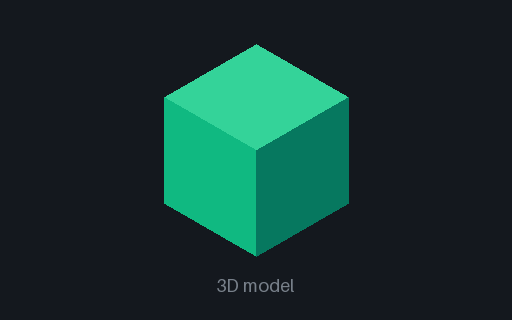
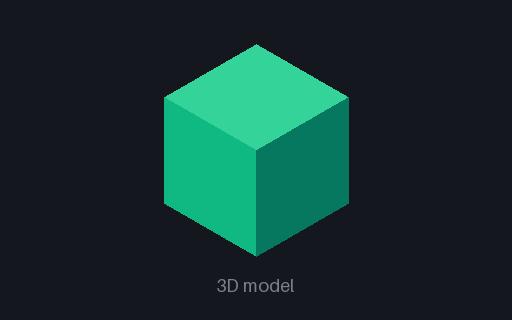
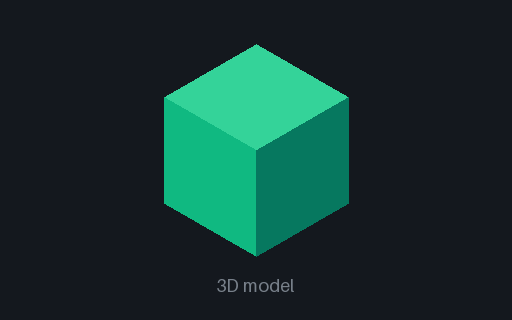
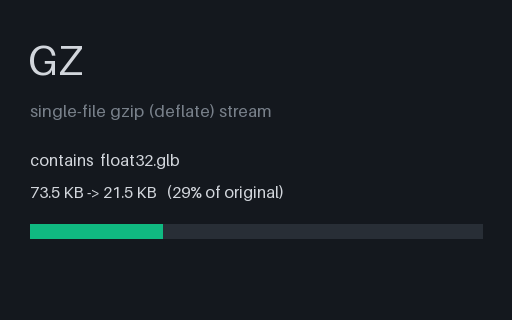
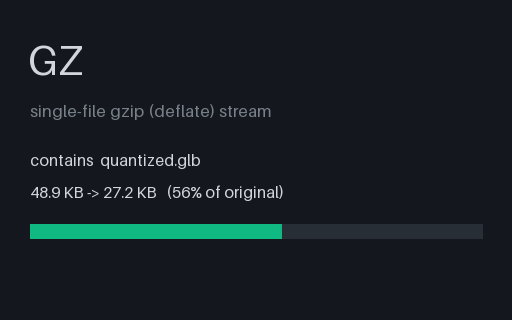
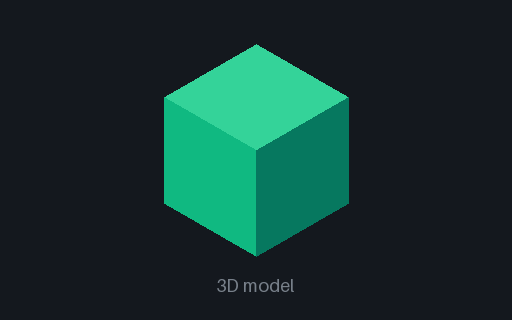
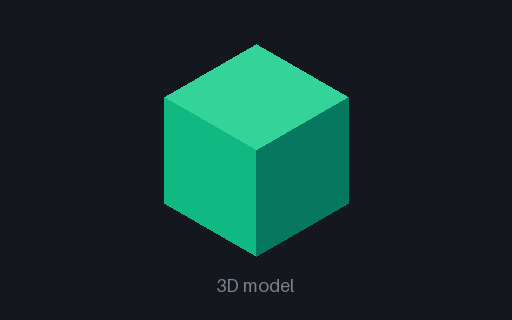
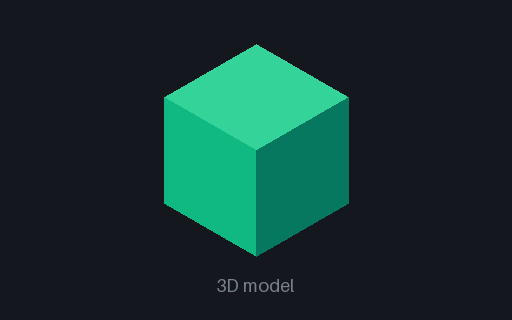
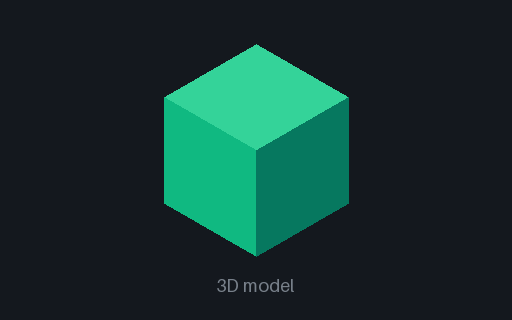
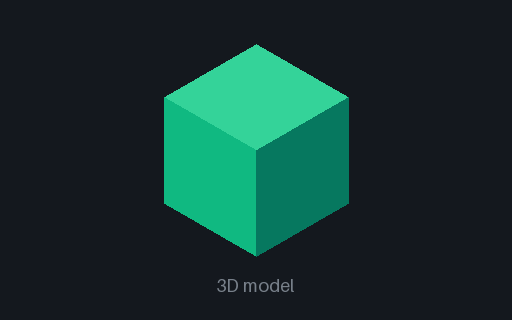
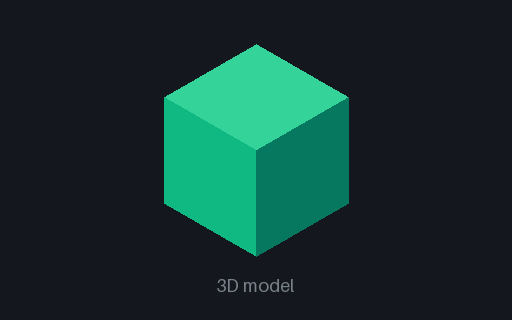
A 10 mm cube as 3MF — the modern OPC-packaged manufacturing format (a ZIP of model XML plus relationships). For testing 3MF readers and slicers.
The models category covers 3D and CAD interchange formats, each carrying one small, documented solid so you have a known shape to convert and inspect. The mesh formats hold a real 10 mm cube: STL in both ASCII and binary encodings, a Wavefront OBJ, and a 3MF manufacturing package. There's a DXF drawing of the same cube as 3D line geometry, an EPS vector illustration, and minimal well-formed STEP (AP214) and IGES samples for testing header and entity parsing. Every file states its geometry, units, and structure, so you're converting against a known object rather than a mystery mesh.
A 10 mm cube as 3MF — the modern OPC-packaged manufacturing format (a ZIP of model XML plus relationships). For testing 3MF readers and slicers.
A 10 mm cube as COLLADA (.dae) — the XML digital-asset-exchange format used across 3D tools and game engines. For testing COLLADA parsers and conversion.
A 10 mm cube as binary glTF (GLB) — the dominant modern format for 3D on the web and in AR, with per-face normals packed into one self-contained file. Powers the interactive 3D preview on this site; for testing glTF loaders and conversion.
A 10 mm cube as text glTF 2.0 — the JSON scene with its binary buffer embedded as a data URI, the human-readable sibling of the GLB. For testing glTF parsers and GLB↔glTF conversion.
A 10 mm cube as a Wavefront OBJ — plain-text vertices and triangular faces, the lingua franca of 3D asset exchange. For testing OBJ importers and conversion.
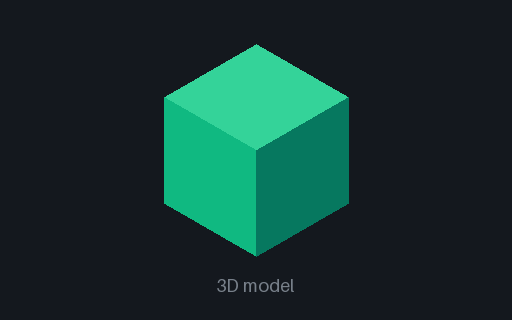
A 10 mm cube as OFF (Object File Format) — the minimal vertex/face text format from Geomview, common in computational geometry. For testing OFF parsers and conversion.
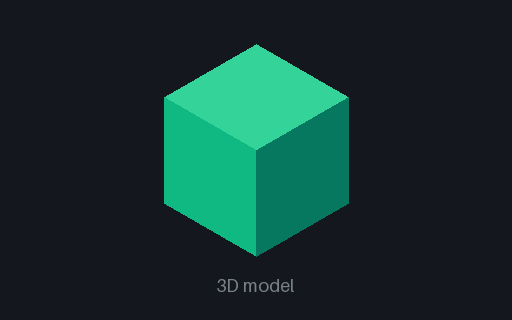
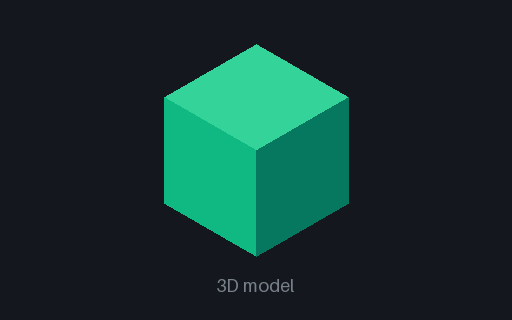
A 10 mm cube as ASCII PLY (Stanford polygon format) — plain-text vertex and face lists common in 3D scanning and research. For testing PLY parsers and conversion.
The same cube as binary little-endian PLY — the compact form of the Stanford polygon format. For testing binary-PLY readers.
A 10 mm cube as ASCII STL — human-readable facet/normal/vertex records. The most portable 3D-print mesh format; for testing STL parsers and slicers.
The same 10 mm cube as binary STL — an 80-byte header, a triangle count, and packed little-endian floats. Compact; for testing binary-STL readers.
A 10 mm cube as USDZ — Pixar's Universal Scene Description packaged as a stored zip, the format Apple uses for AR Quick Look. For testing USD/USDZ readers and conversion.
A 10 mm cube as VRML97 (.wrl) — the classic Virtual Reality Modeling Language scene format, ancestor of X3D. For testing VRML parsers and conversion.
A 10 mm cube as X3D — the XML successor to VRML for web and interchange 3D. For testing X3D parsers and VRML↔X3D conversion.
A 10 mm cube drawn as 12 DXF LINE entities — the AutoCAD interchange format, written with ezdxf. For testing DXF parsers and CAD conversion.
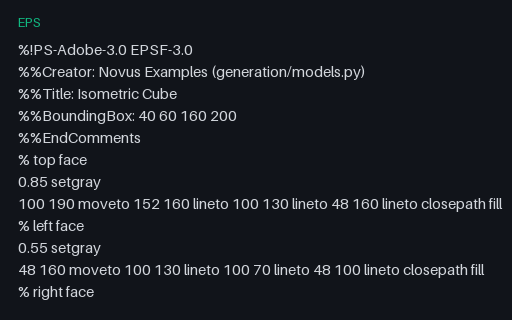
An isometric cube as Encapsulated PostScript — a 2D vector illustration with three shaded faces. For testing EPS/PostScript rendering and vector conversion.
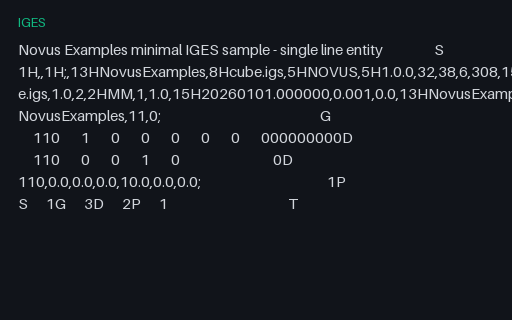
A minimal, well-formed IGES 5.3 file with a single LINE entity and correct Start/Global/Directory/Parameter/Terminate sections. For testing IGES parsers and CAD conversion.
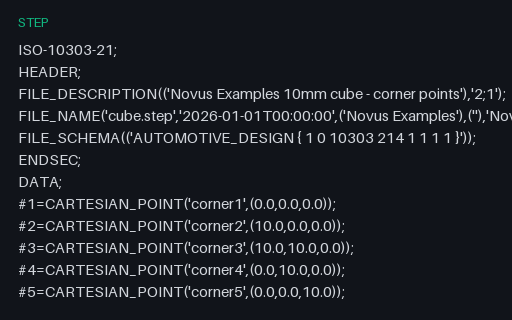
A minimal, well-formed STEP AP214 file holding the eight corner points of a 10 mm cube. For testing STEP header and entity parsing and CAD-exchange tooling.
We use Google Analytics. It sets no analytics cookies until you allow the Analytics category below. See our cookie policy.