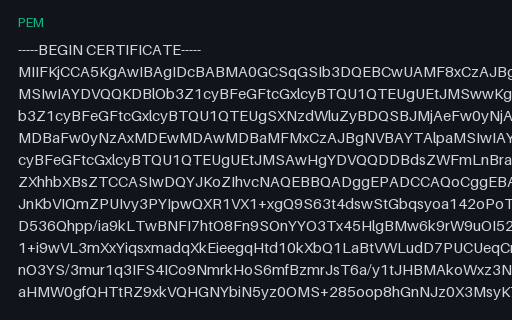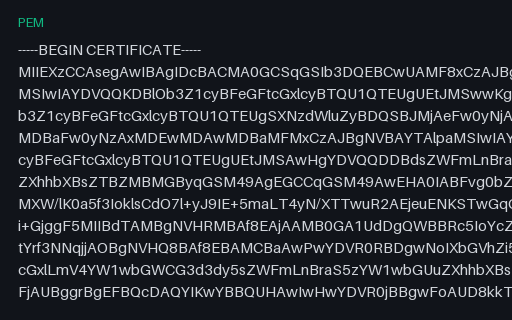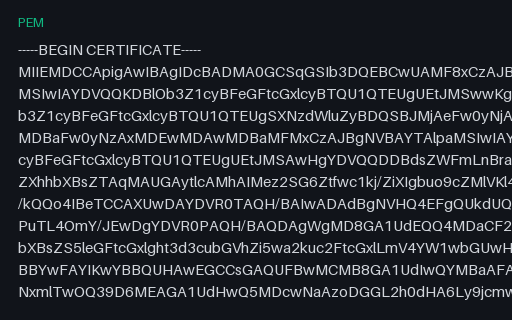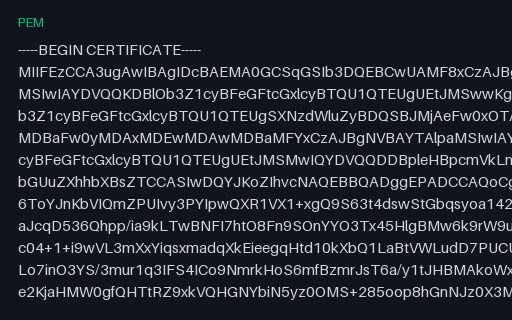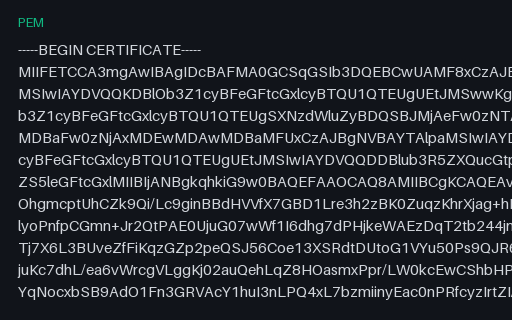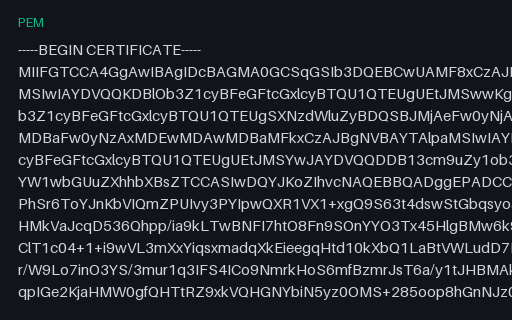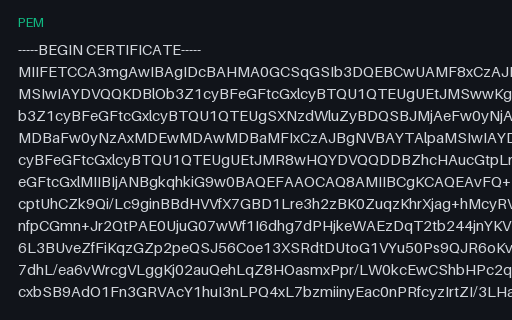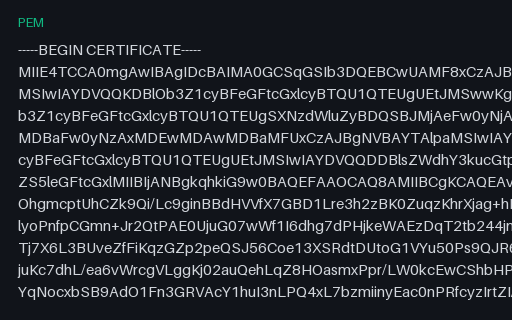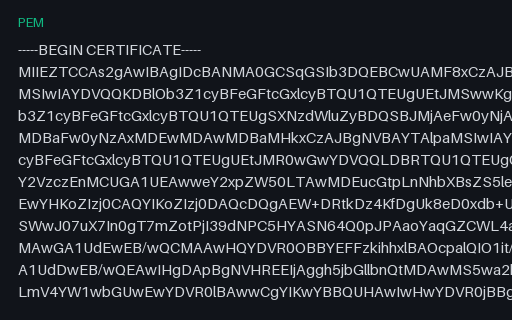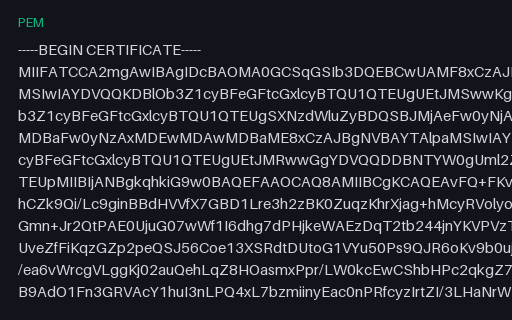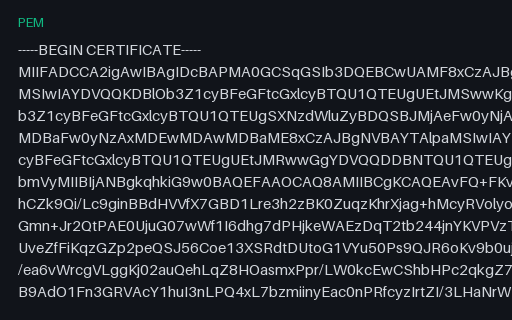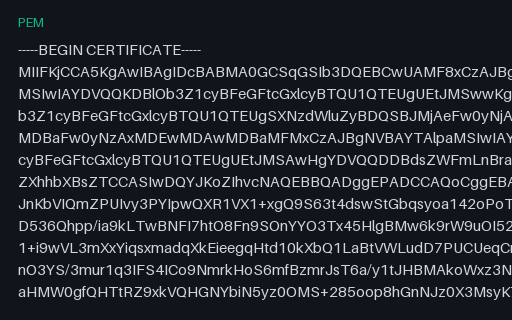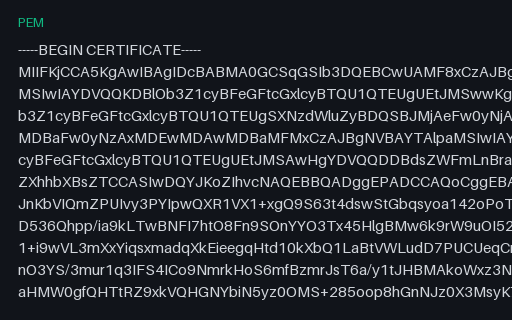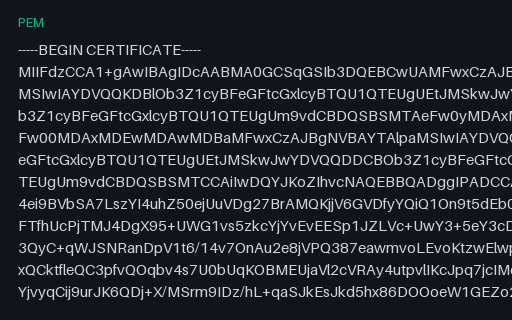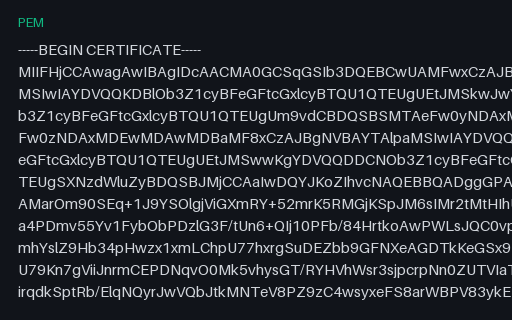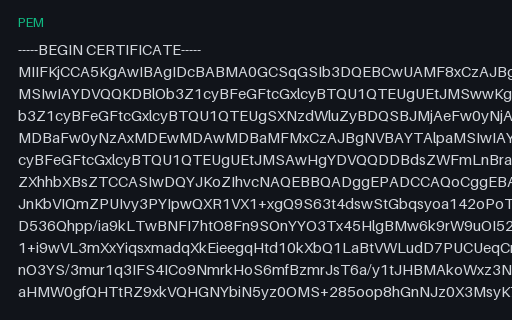
X.509 Certificate (PEM)
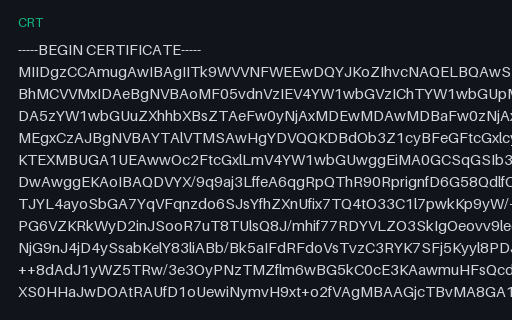
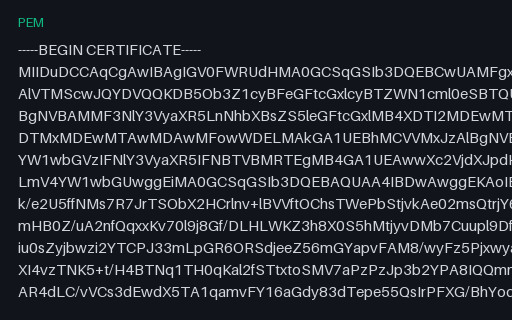
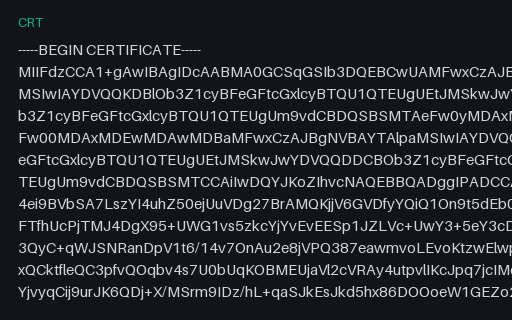
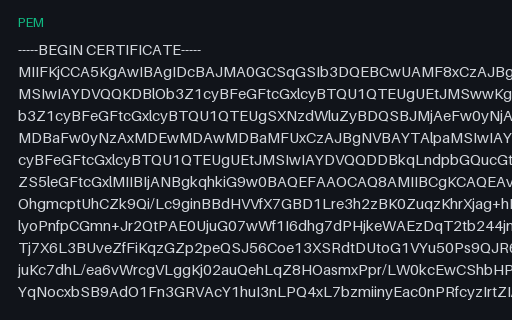
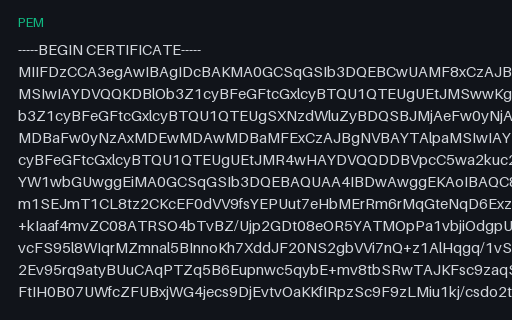
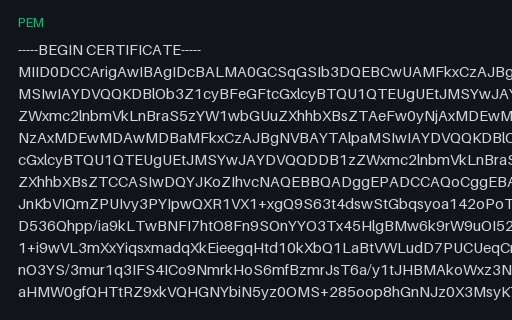
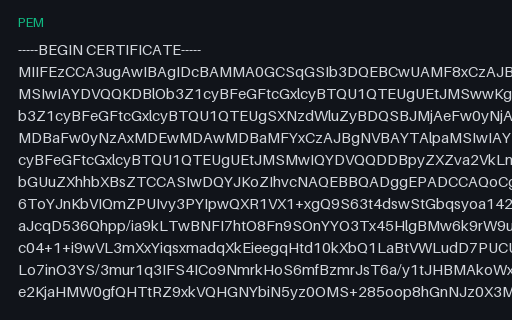
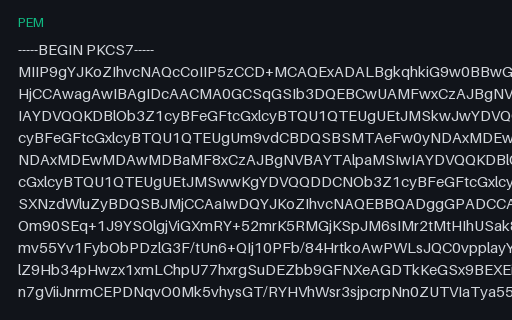
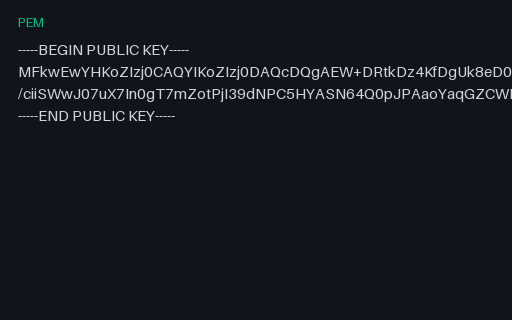
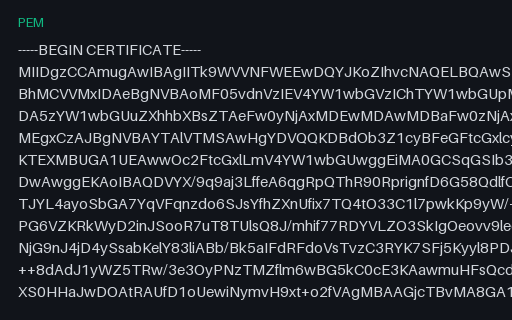
A self-signed X.509 v3 certificate in PEM (Base64) encoding with a SAN and key-usage extensions — published sample material for testing certificate and TLS parsers. Not a real identity.
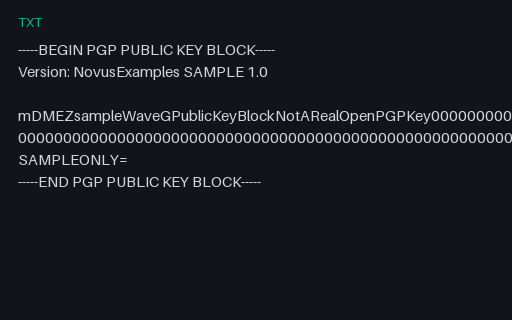
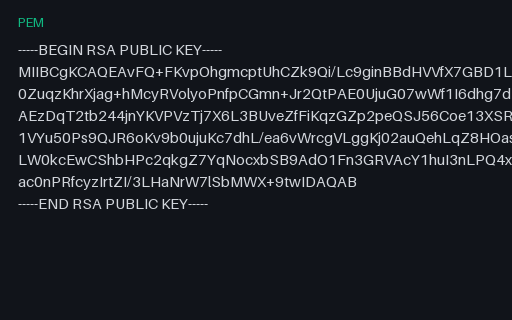
Self-signed X.509 certificates (PEM, CRT, DER), a CSR, RSA and Ed25519 keys, an SSH public key, a PKCS#12 bundle, and an htpasswd file — all published sample-only material, for testing certificate parsers, TLS tooling, keystore importers, and PEM/DER decoders.
A self-signed X.509 v3 certificate in PEM (Base64) encoding with a SAN and key-usage extensions — published sample material for testing certificate and TLS parsers. Not a real identity.
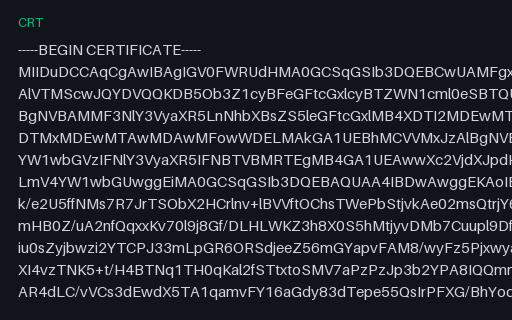
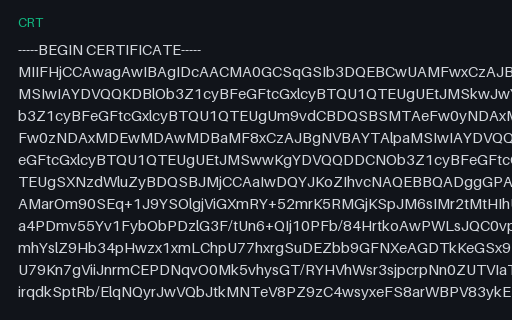
The same self-signed certificate under the conventional .crt extension (PEM-encoded) — for testing trust-store importers and tools that key off the .crt extension. Sample only.
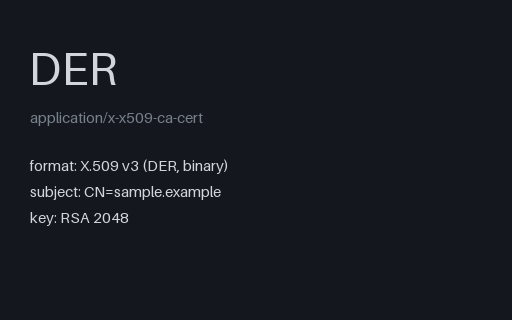
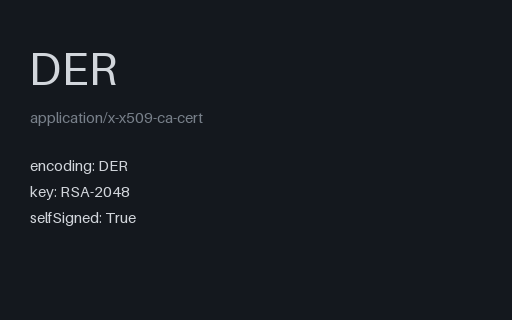
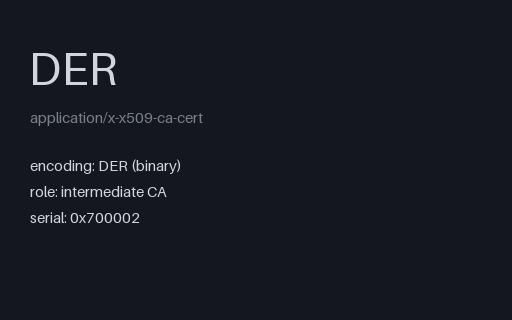
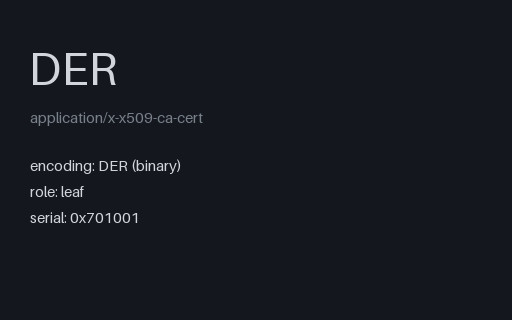
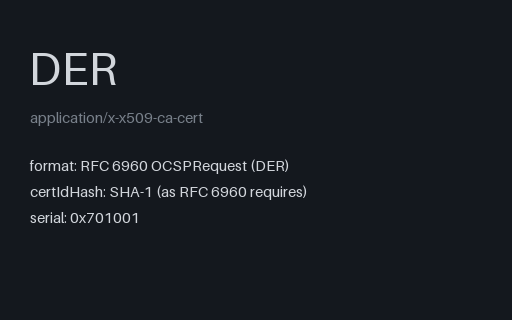
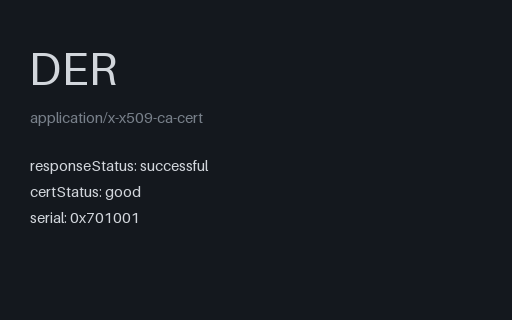
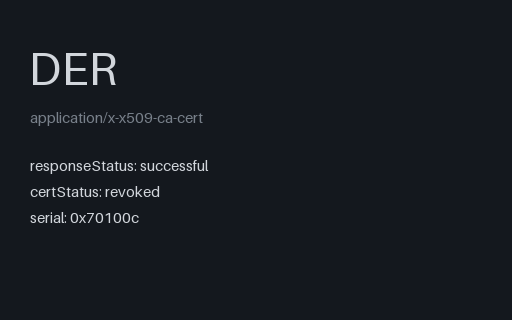
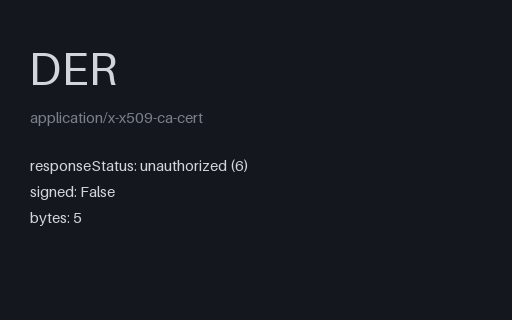
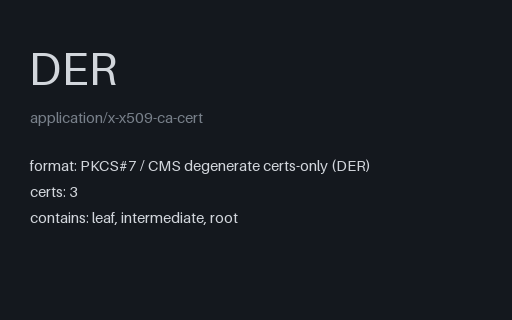
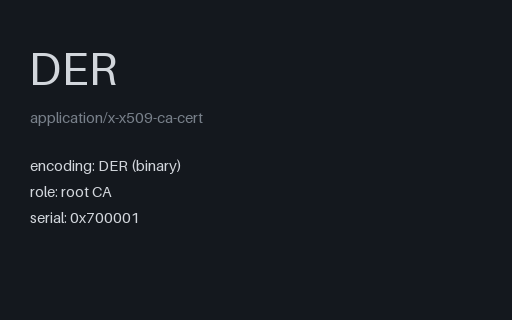
The binary DER encoding of the same certificate — for testing ASN.1/DER parsers, Java keystores, and DER-to-PEM converters. Published sample certificate, not a real identity.
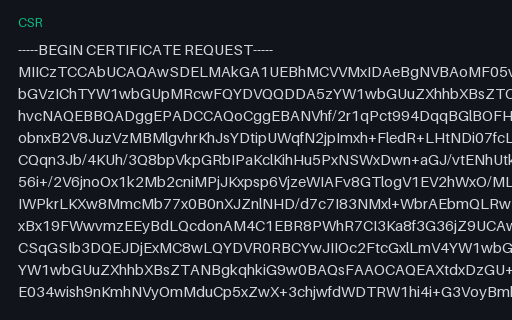
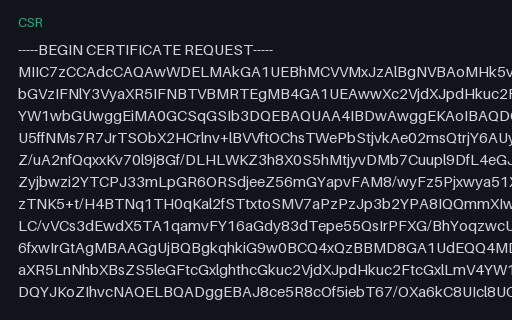
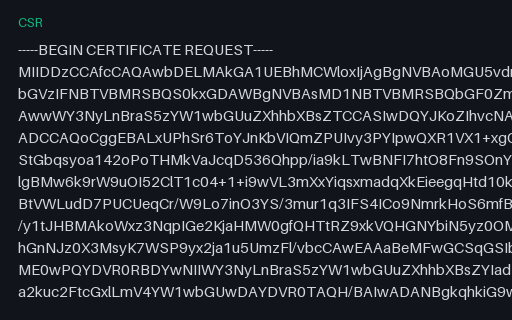
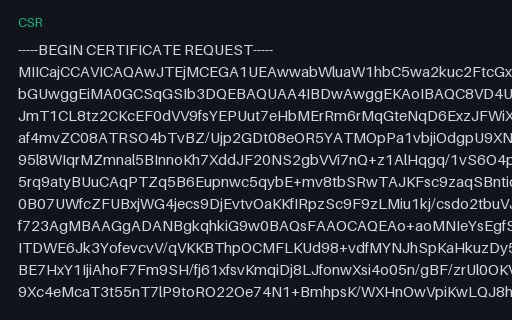
A PKCS#10 certificate signing request (PEM) with the subject and SAN, self-signed by the RSA key to prove key possession — for testing CSR parsers and certificate-authority intake flows.
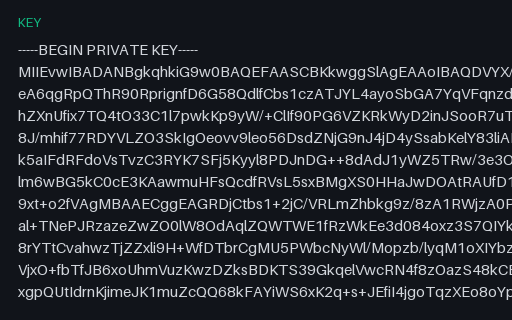
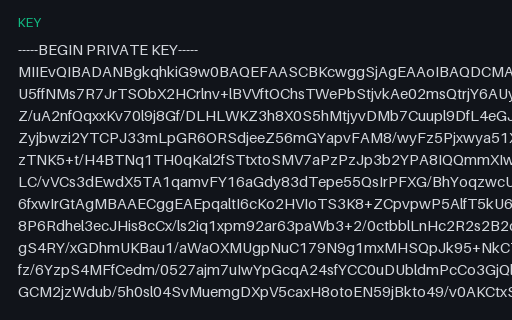
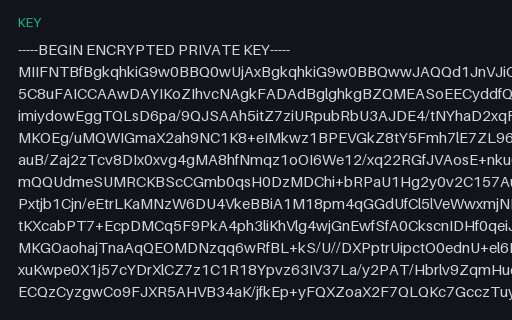
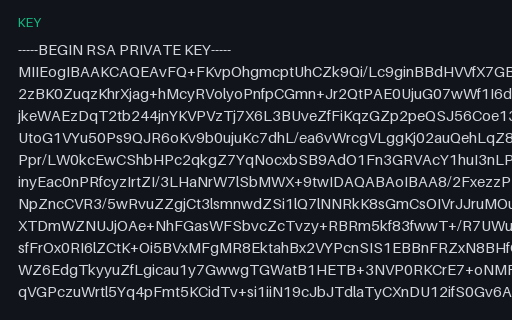
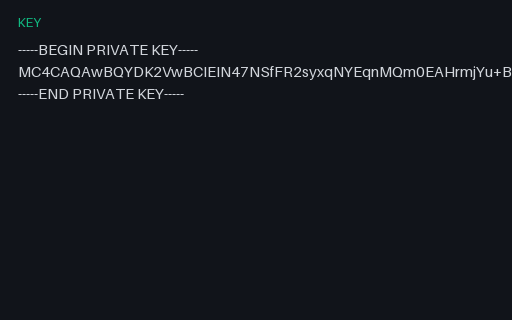
A 2048-bit RSA private key in unencrypted PKCS#8 PEM — a deliberately PUBLISHED, sample-only key for testing PEM key parsers and PKCS#8 decoders. Never use it for anything real.
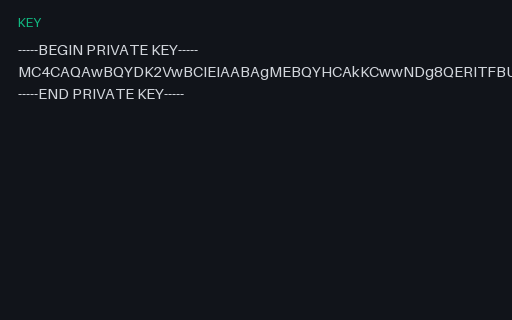
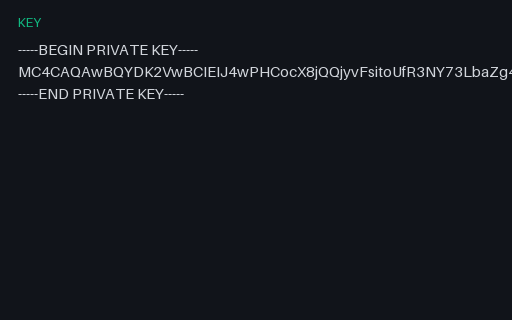
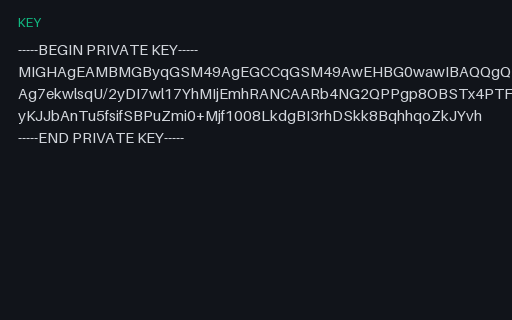
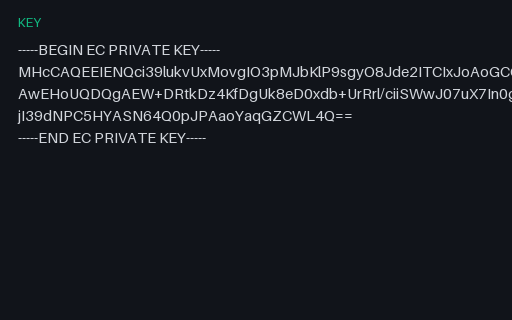
An Ed25519 private key in PKCS#8 PEM, derived from a fixed seed — a published, sample-only modern elliptic-curve key for testing PEM parsers and Ed25519 tooling. Never use it for real.
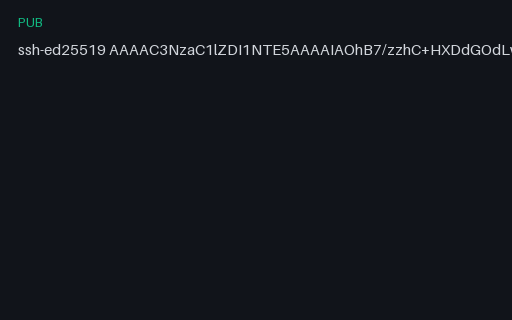
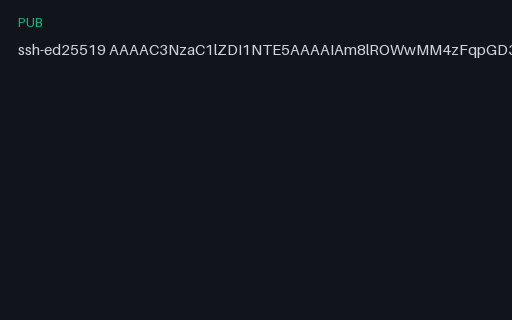
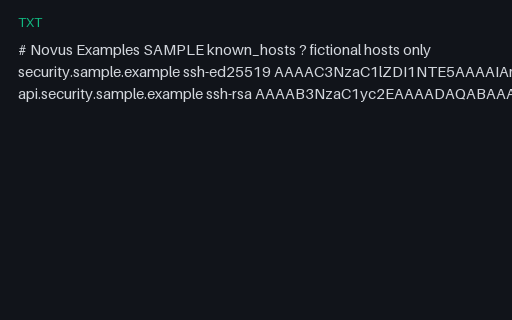
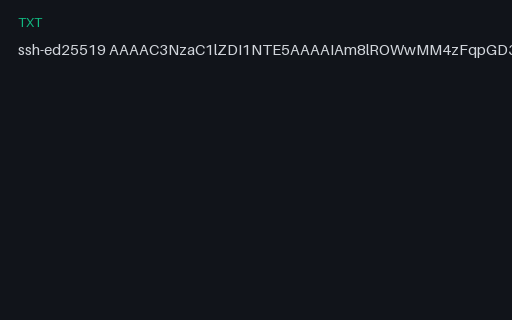
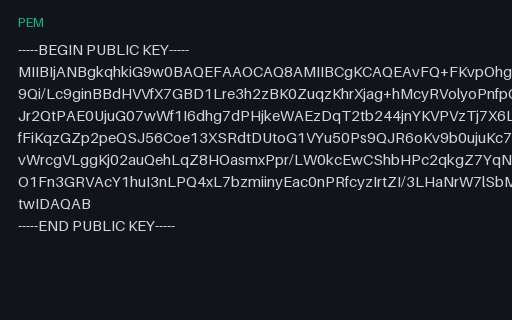
An OpenSSH-format Ed25519 public key (the shareable half of the key pair) — a single line of algorithm, Base64 key blob, and comment, for testing SSH public-key parsers and authorized_keys tooling.
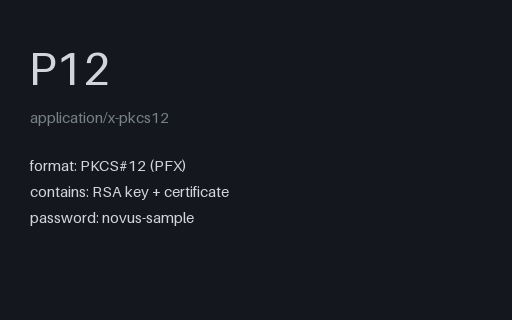
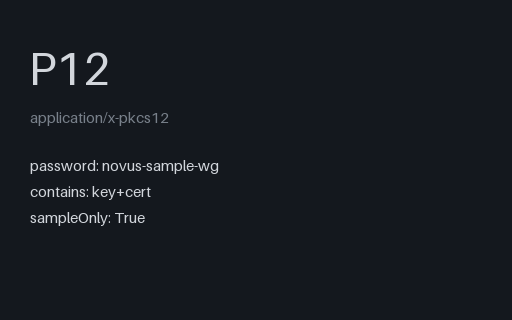
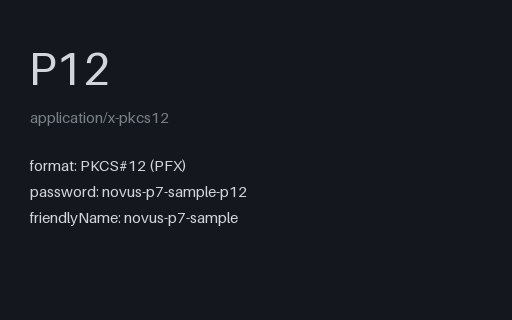
A PKCS#12 (.p12/PFX) bundle packaging the sample RSA key and certificate together, protected with the sample password 'novus-sample' — for testing keystore importers and PKCS#12 parsers. (The PKCS#12 MAC salt is random, so this file is intentionally not byte-stable.)
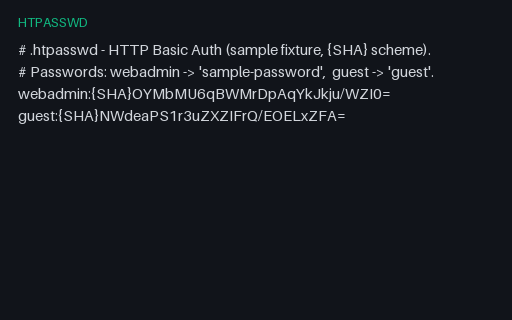
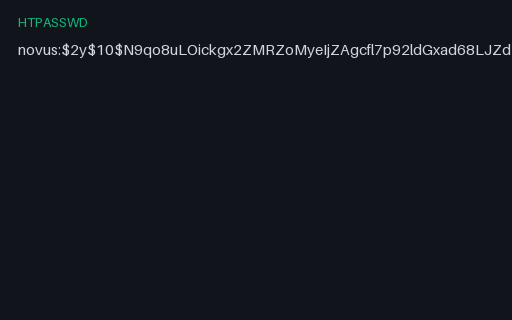
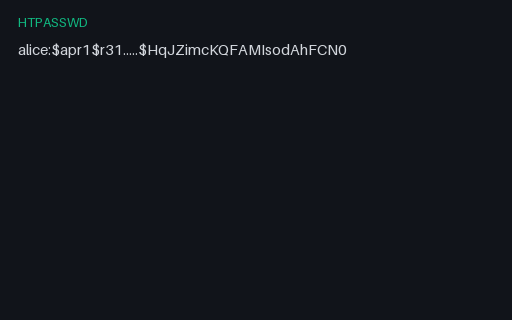
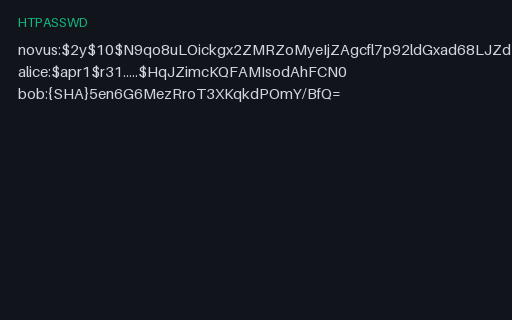
An Apache/nginx .htpasswd file with two users hashed using the {SHA} scheme (Base64 SHA-1) — the sample passwords are documented in the file, for testing Basic-Auth credential parsers and hash identification.
We use Google Analytics. It sets no analytics cookies until you allow the Analytics category below. See our cookie policy.