
jsonl
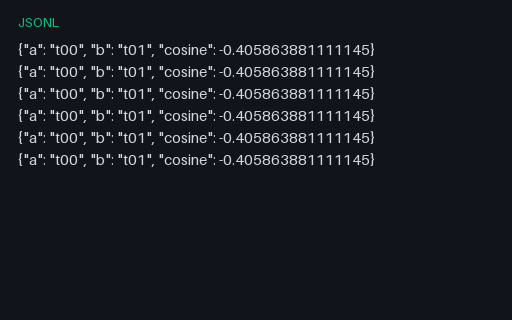
336 BCosine Similarity Pairs (JSONL)
Precomputed cosine similarity pairs for embedding eval scripts.
- File
- JSONL · Embeddings · 6 records
- Use case
- Model evaluation
The AI category ships the file shapes machine-learning pipelines actually pass around — real formats with documented schemas, all fully synthetic. The NLP set is JSON Lines training data: labelled sentiment, token-level NER with BIO tags, chat fine-tuning in both the OpenAI and Anthropic message shapes (linked as a conversion twin), Alpaca-style instruction tuning, extractive QA in the SQuAD v2 structure with an unanswerable question, abstractive summarization, and an English–Spanish parallel corpus. The embeddings set carries the same 24 texts as an L2-normalised 16-dimensional vector set in three twinned encodings — JSON, Apache Parquet, and a raw NumPy .npy matrix — for testing vector stores and loaders. The vision set renders one detection scene and annotates it three ways — COCO JSON, YOLO text, and Pascal-VOC XML — so you can diff annotation converters against a known image. The evaluation set has benchmark results, a confusion matrix as CSV and JSON twins, an ROC curve, and a scikit-learn-style classification report; there's a templated prompt library, and a genuinely-valid tiny safetensors weight file (sample values, not a trained model). Every dataset uses fixed seeds and invented names, companies, and places — no real people or data.
Filter ai / ml on Browse · 124 files · 10 subcategories
Precomputed cosine similarity pairs for embedding eval scripts.
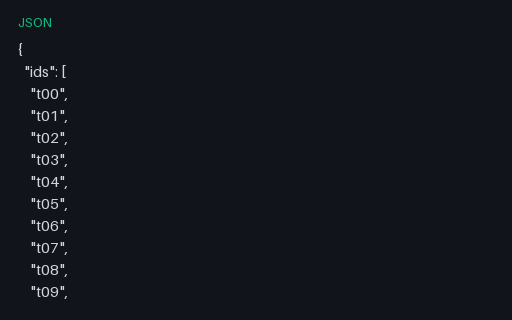
ID list and model metadata for the Wave F embedding set.
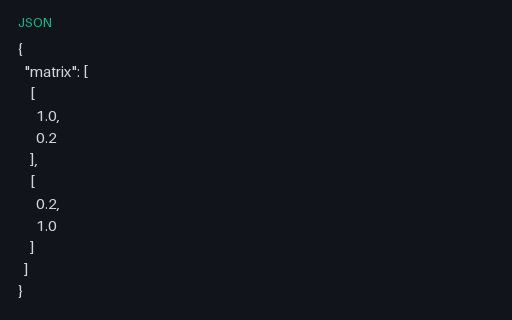
Tiny 2×2 cosine similarity matrix for embedding eval unit tests.
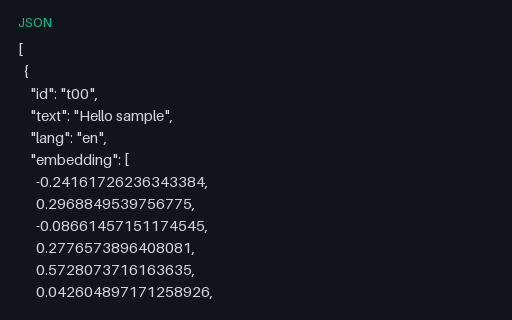
EN/ES sentence embeddings for cross-lingual similarity tests.
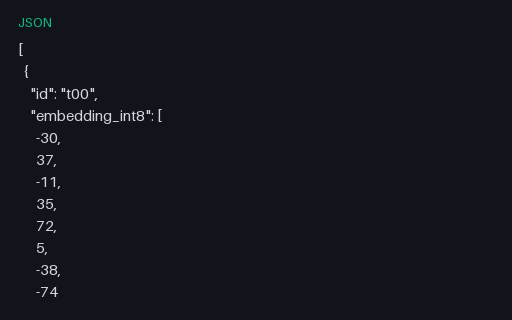
int8-quantised embedding vector for quantised vector search tests.
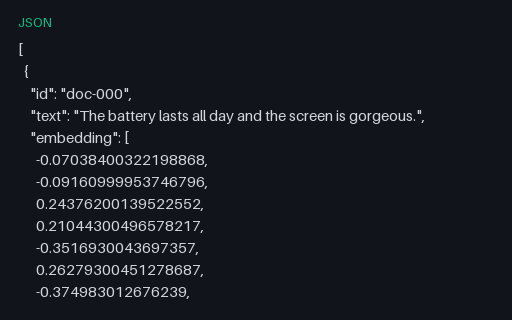
A set of 24 L2-normalised 16-dimensional text embeddings as JSON — each record pairs an id and its source text with a float vector. A fixture for testing vector stores, similarity search, and embedding loaders. Parquet and .npy twins included.
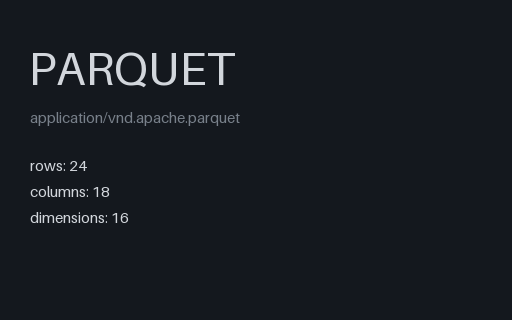
The same 16-dimensional embeddings as Apache Parquet — id and text columns plus one column per dimension. The columnar twin, for testing analytics engines and Parquet-based vector pipelines.
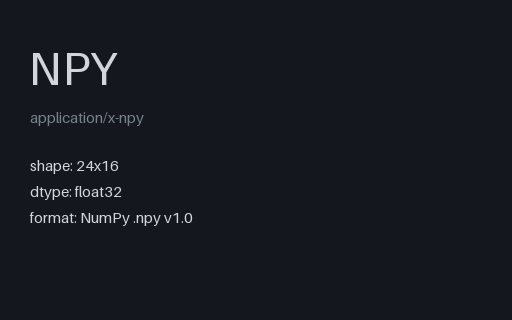
The embeddings as a raw NumPy array — a 24×16 float32 matrix in .npy format, loadable with numpy.load. The binary twin of the JSON and Parquet files, for testing tensor and matrix loaders.
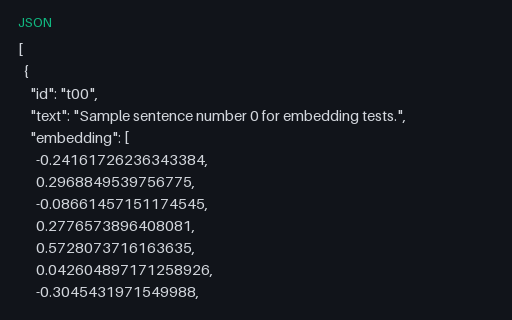
L2-normalised 8-dimensional text embeddings in JSON — for vector store loader tests.
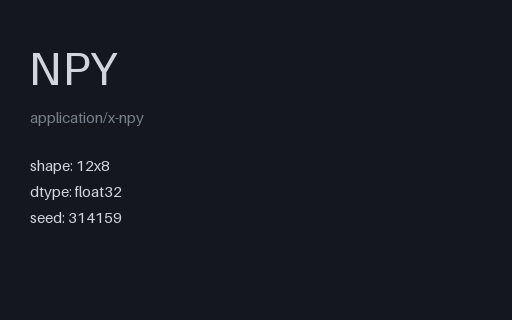
NumPy matrix twin of the Wave F 8-dim embeddings.
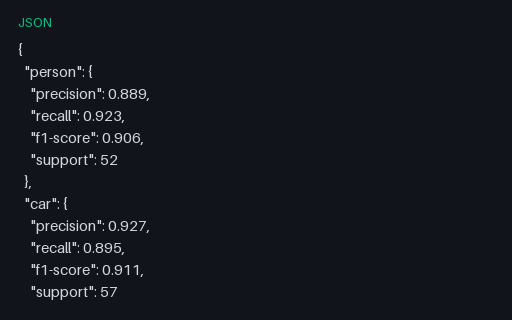
A per-class classification report in the scikit-learn structure — precision, recall, F1, and support for each class plus accuracy and macro/weighted averages. A fixture for testing metric parsers and report renderers.
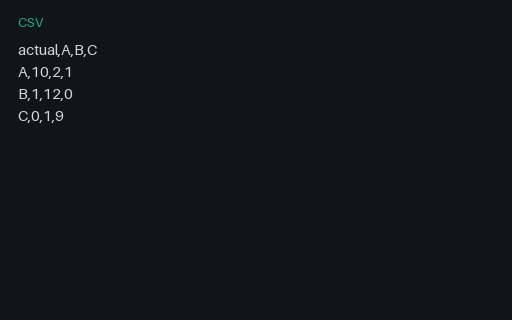
3×3 confusion matrix CSV for classification metric calculators.
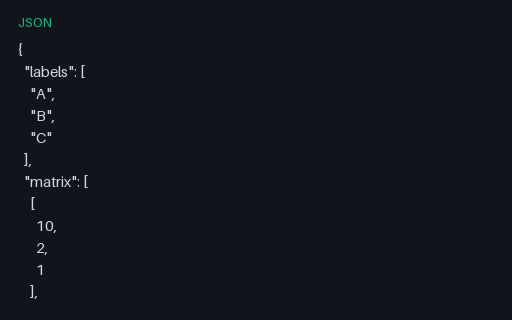
JSON twin of the 3-class confusion matrix.
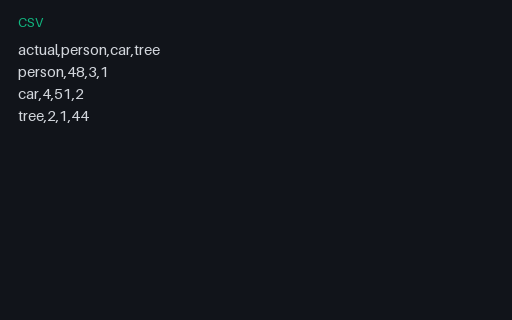
A 3-class confusion matrix as CSV — rows are the true class, columns the predicted class, cells the counts. Paired with a JSON twin for testing metric parsers and evaluation visualisers.
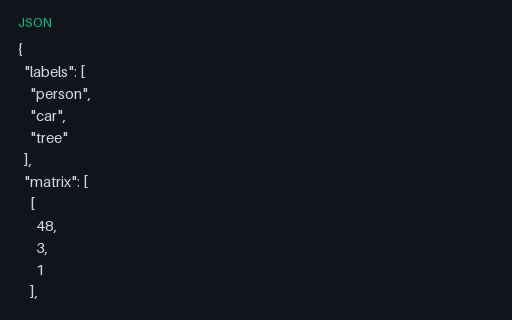
The same 3-class confusion matrix as JSON — a labels array plus a nested counts matrix. The structured twin of the CSV, for testing evaluation tooling.
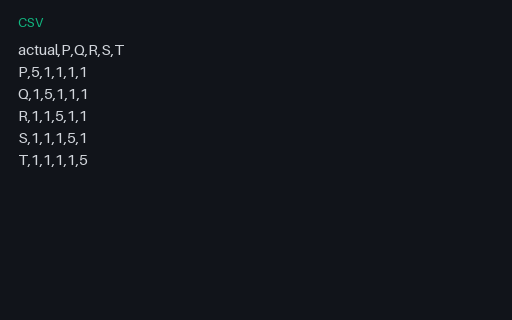
5×5 confusion matrix with off-diagonal noise for multi-class eval.
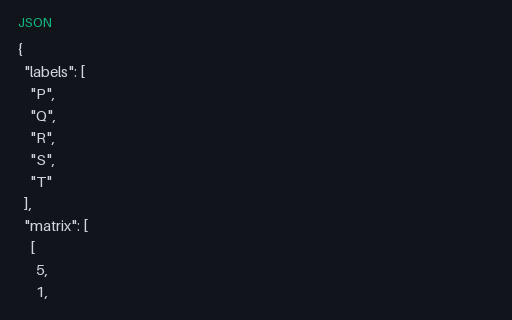
JSON twin of the 5-class confusion matrix.
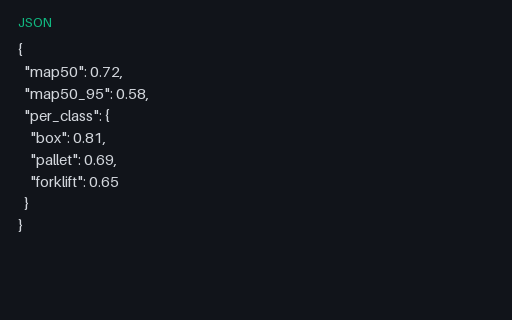
Synthetic mAP evaluation summary for object-detection benchmark harness tests.
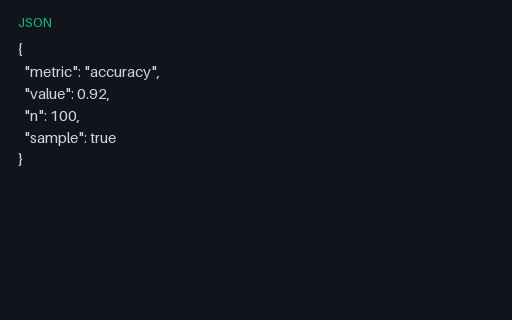
Minimal SAMPLE eval metric JSON (accuracy) for dashboard parsers.
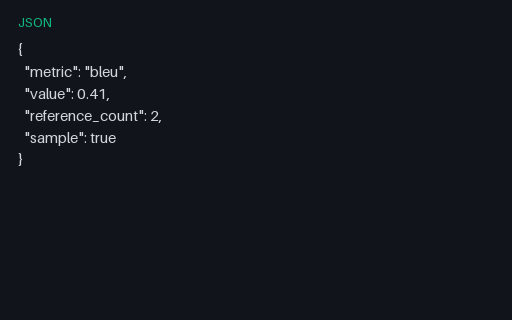
Minimal SAMPLE eval metric JSON (bleu) for dashboard parsers.
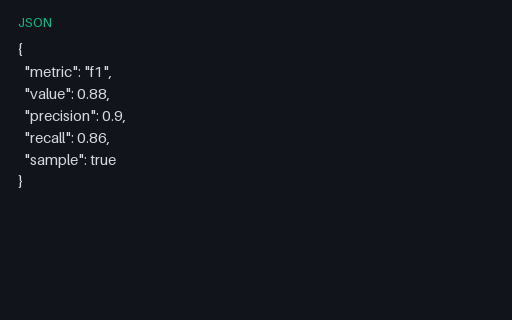
Minimal SAMPLE eval metric JSON (f1) for dashboard parsers.
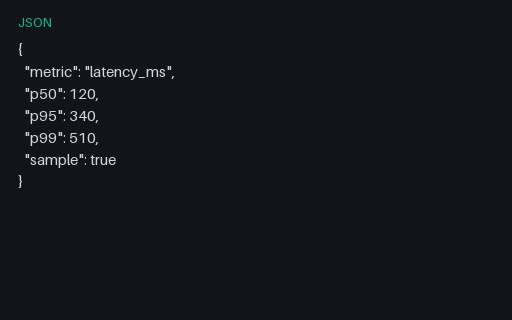
Minimal SAMPLE eval metric JSON (latency_ms) for dashboard parsers.
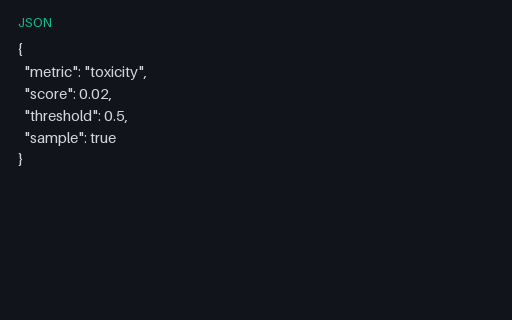
Minimal SAMPLE eval metric JSON (toxicity) for dashboard parsers.
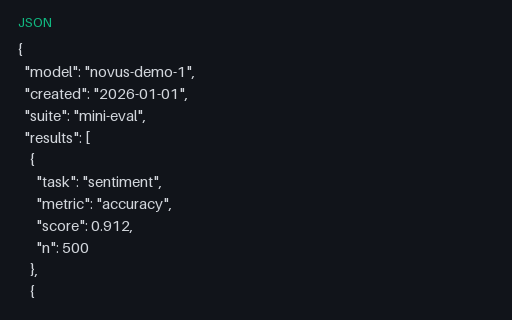
A model-evaluation summary in JSON — per-task scores for a fictional model across sentiment, NER, summarization, translation, and QA, each with its metric and sample size. A fixture for testing eval dashboards and leaderboard importers.
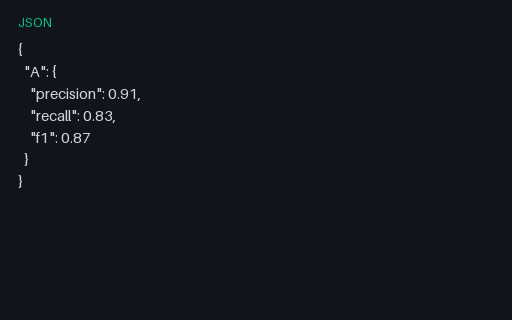
Per-class precision/recall/F1 snapshot for classification dashboards.
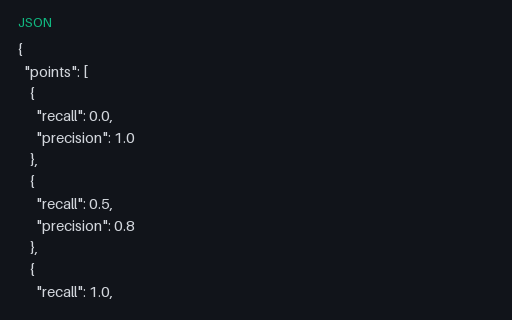
PR curve coordinates for average-precision metric tests.
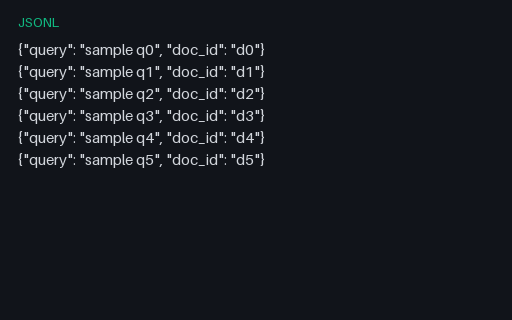
Short query list for ranking benchmark harness smoke tests.
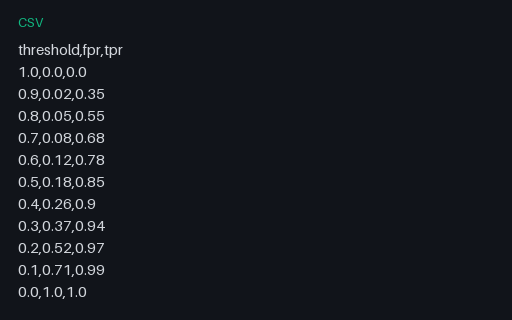
An ROC curve as CSV — decision threshold with the corresponding false-positive and true-positive rates, monotonic from (0,0) to (1,1). A fixture for testing chart tools and AUC calculators.
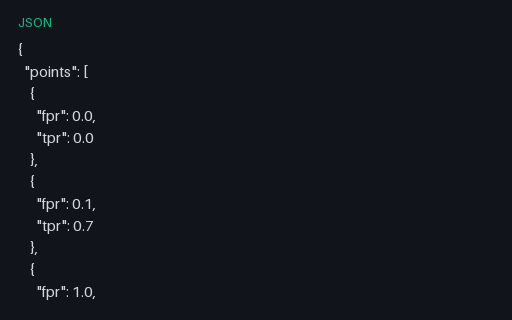
ROC curve coordinate list for AUC calculator tests.
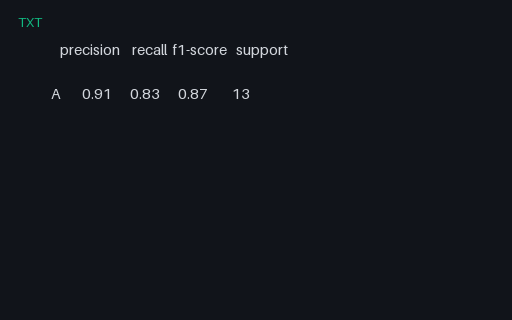
sklearn-style classification report text for parser snapshot tests.
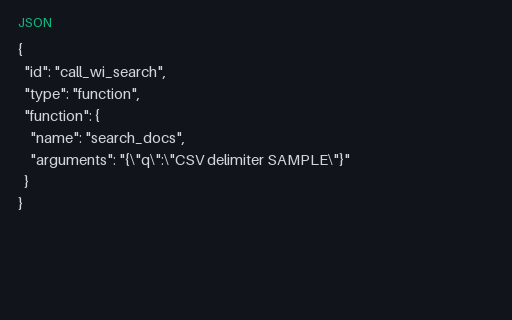
SAMPLE tool-calling JSON (tool-call-search) for agent harness schema tests.
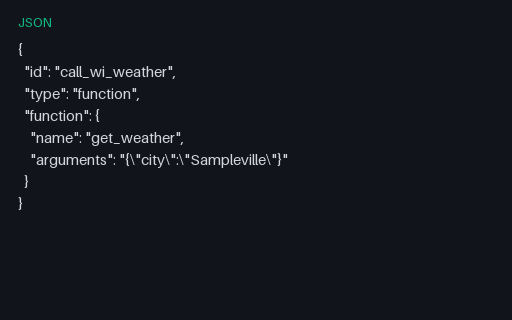
SAMPLE tool-calling JSON (tool-call-weather) for agent harness schema tests.
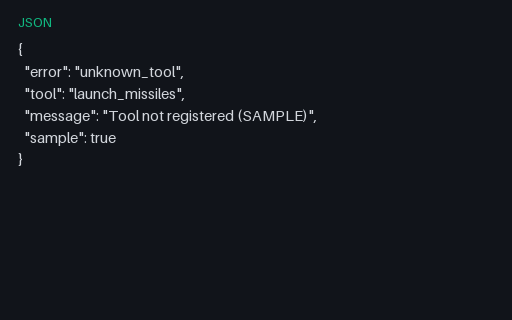
SAMPLE tool-calling JSON (tool-error-unknown) for agent harness schema tests.
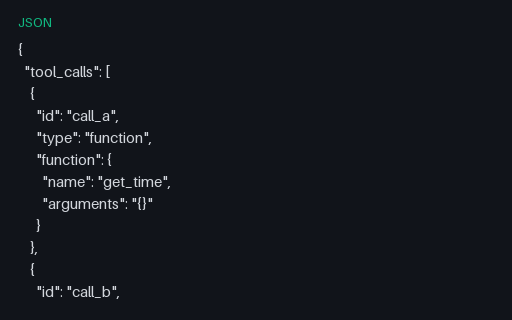
SAMPLE tool-calling JSON (tool-parallel-two) for agent harness schema tests.
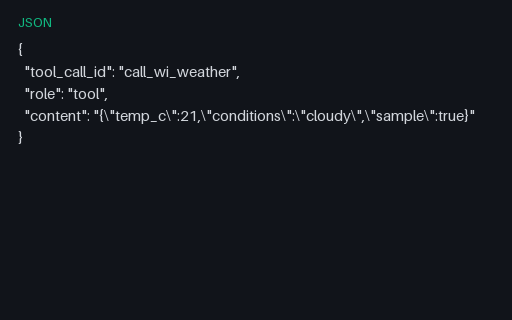
SAMPLE tool-calling JSON (tool-result-weather) for agent harness schema tests.
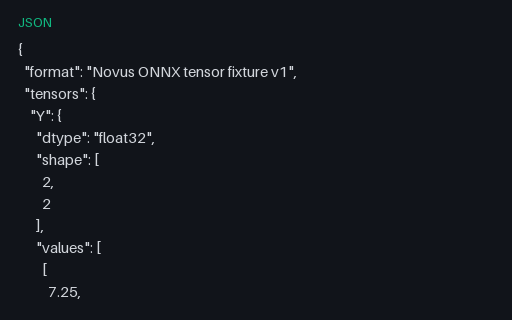
The reference-evaluator output for the Affine MatMul plus Add model and supplied input, including shape, dtype, exact values and a 1e-6 tolerance.
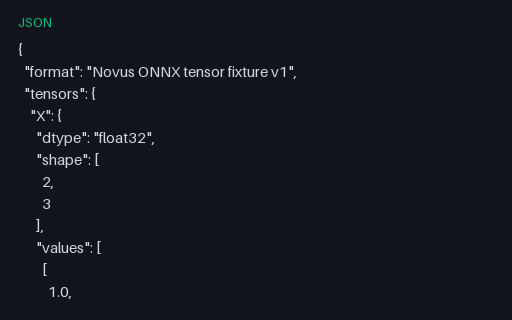
The named float32 input tensor payload for the Affine MatMul plus Add model, with explicit shapes and JSON values for runner-independent test setup.
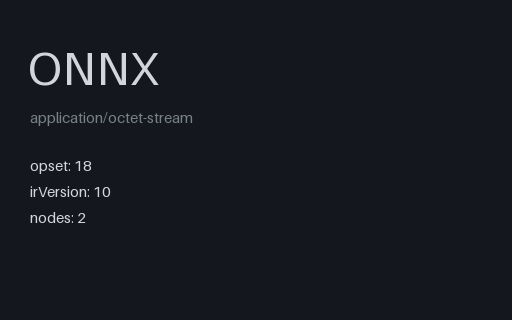
A two-node affine transform with fixed weights and bias, exercising initializers, MatMul dimensions and Add broadcasting. The matching JSON input and expected output make the model immediately usable in a CI inference assertion.
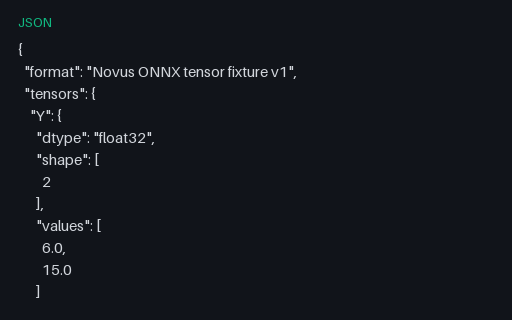
The reference-evaluator output for the Dynamic-Batch ReduceSum model and supplied input, including shape, dtype, exact values and a 1e-6 tolerance.
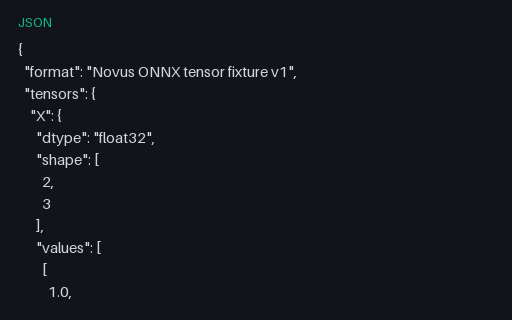
The named float32 input tensor payload for the Dynamic-Batch ReduceSum model, with explicit shapes and JSON values for runner-independent test setup.
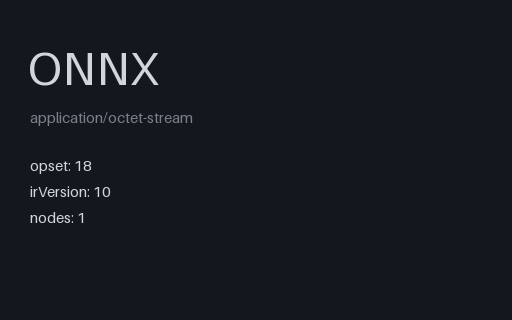
A ReduceSum graph with a symbolic batch dimension and fixed feature width, for dynamic-shape import and batch-output tests. The matching JSON input and expected output make the model immediately usable in a CI inference assertion.
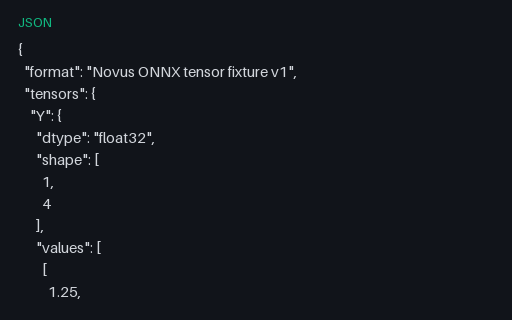
The reference-evaluator output for the Static Identity model and supplied input, including shape, dtype, exact values and a 1e-6 tolerance.
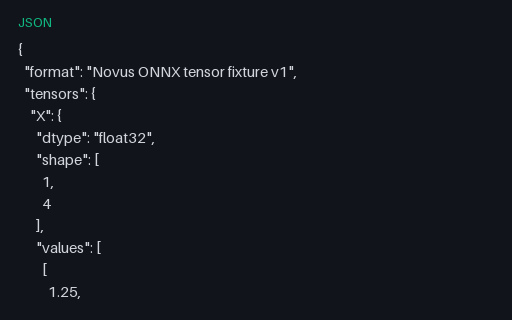
The named float32 input tensor payload for the Static Identity model, with explicit shapes and JSON values for runner-independent test setup.
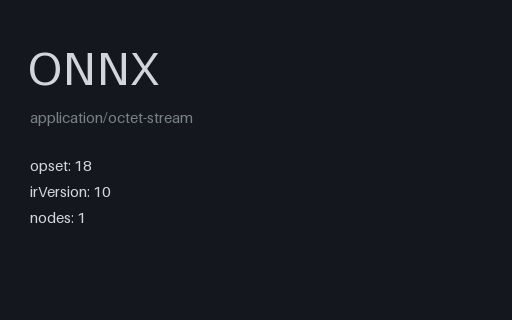
A one-node identity graph with a fixed 1x4 float tensor, useful as the smallest loader and inference smoke test. The matching JSON input and expected output make the model immediately usable in a CI inference assertion.
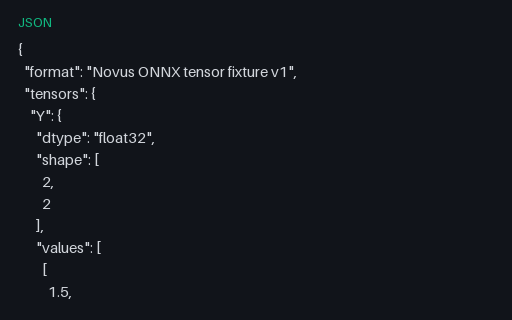
The reference-evaluator output for the Two-Input Broadcast Add model and supplied input, including shape, dtype, exact values and a 1e-6 tolerance.
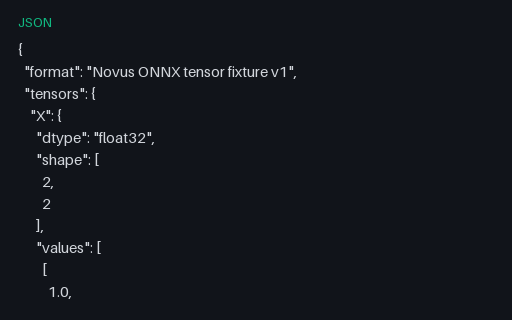
The named float32 input tensor payload for the Two-Input Broadcast Add model, with explicit shapes and JSON values for runner-independent test setup.
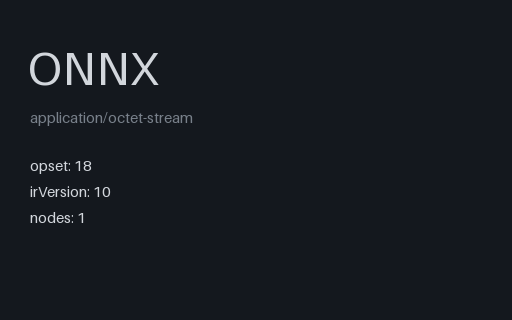
A two-input Add graph where a length-two bias broadcasts across a 2x2 matrix, checking input binding and broadcasting rules. The matching JSON input and expected output make the model immediately usable in a CI inference assertion.
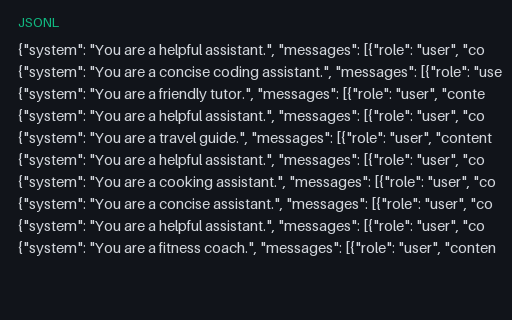
The same synthetic conversations in the Anthropic Messages JSONL shape — a top-level system prompt plus a messages array of user and assistant turns. The format twin of the OpenAI file, for testing chat-format conversion.
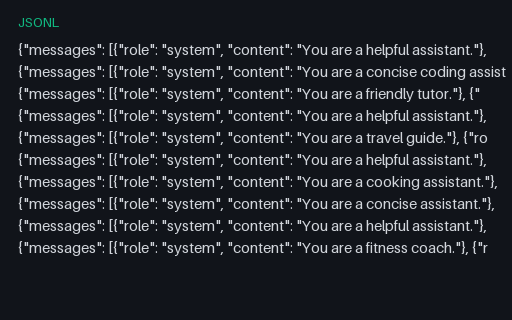
A chat fine-tuning dataset in the OpenAI JSONL format — one conversation per line as a messages array with system, user, and assistant turns. Synthetic Q&A content. Paired with an Anthropic-format twin for testing format converters.
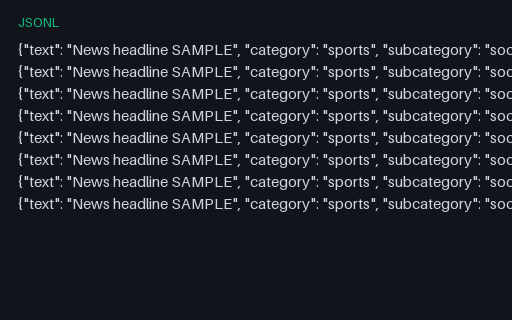
Hierarchical category labels for taxonomy-aware classifiers.
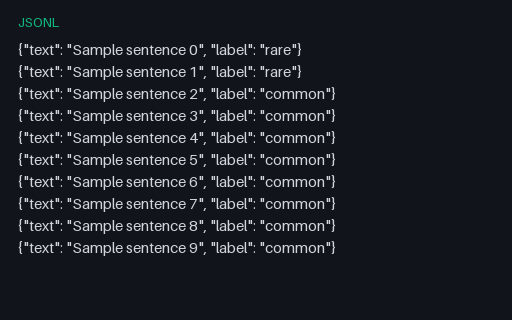
Imbalanced label distribution — 2 rare vs 8 common rows.
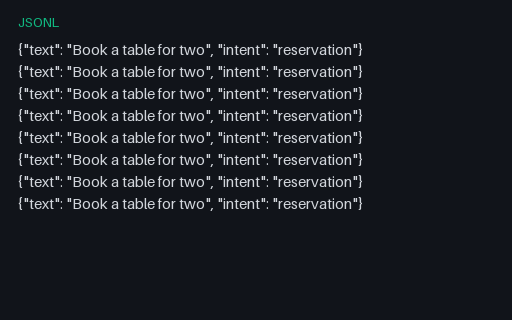
Intent classification JSONL for dialog systems.
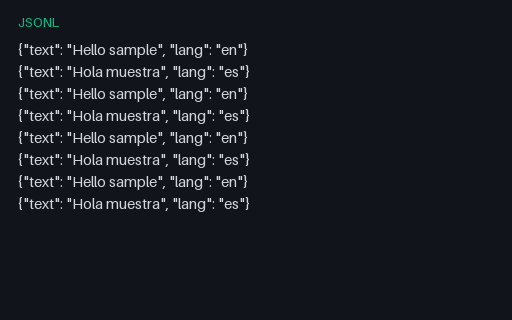
Language identification JSONL with EN/ES pairs.
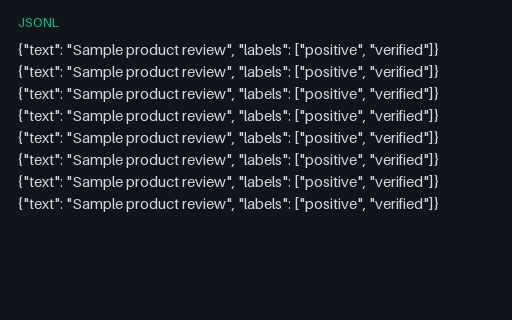
Multi-label classification JSONL with two labels per row.
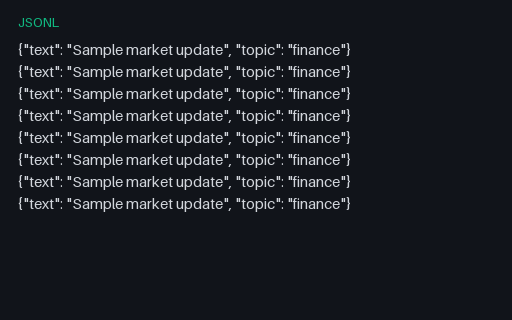
Topic classification rows for news routing tests.
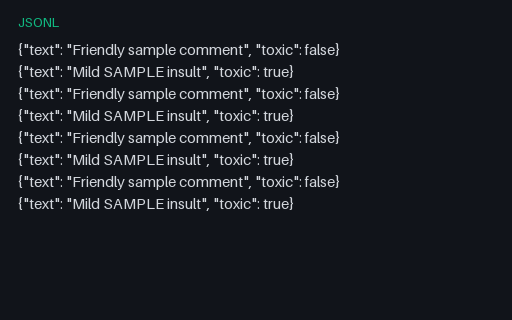
Binary toxicity labels for moderation model eval.
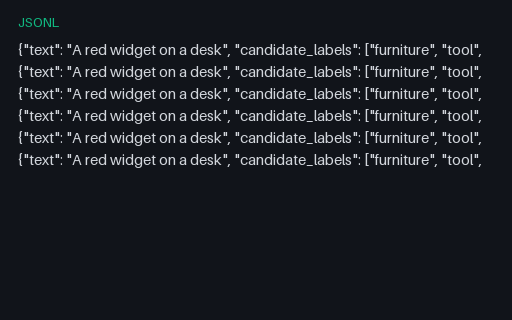
Zero-shot candidate label lists per text for NLI-style classifiers.
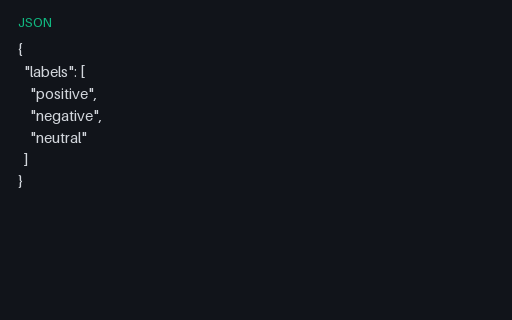
Label id/name map companion for Wave F classification JSONL fixtures.
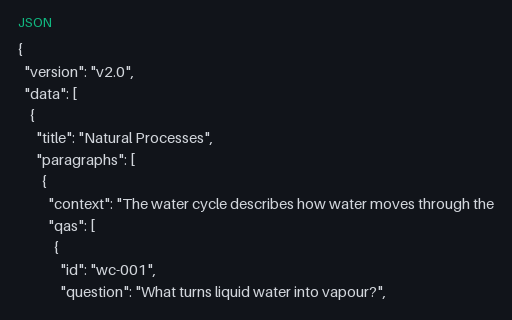
An extractive question-answering dataset in the SQuAD v2.0 JSON structure — titled articles with context paragraphs, questions, character-offset answers, and one deliberately unanswerable question. Synthetic content; a fixture for QA model training and SQuAD-format loaders.
Failed tool invocation rows for agent error-handling and retry tests.
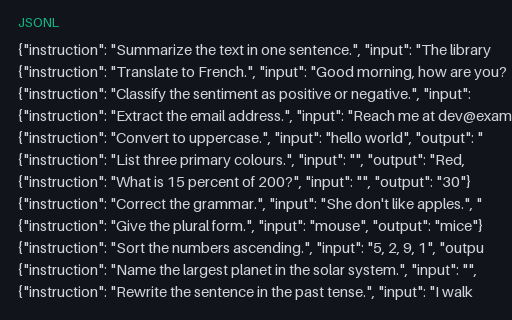
An instruction-tuning dataset in the Alpaca JSONL format — 20 instruction / input / output triples covering small transformations, extraction, and factual answers. Fully synthetic; a fixture for supervised fine-tuning pipelines.
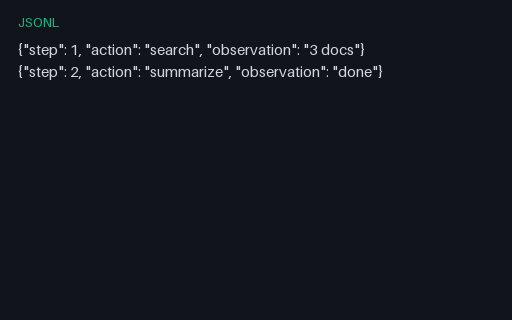
Multi-step agent action/observation trace for ReAct-style eval harnesses.
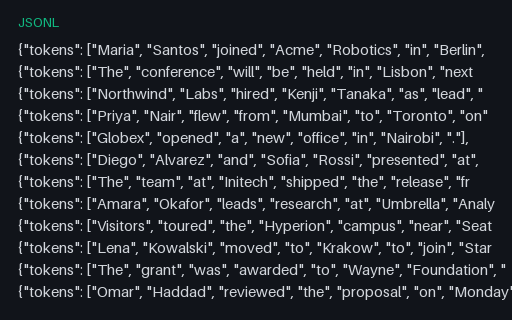
A token-classification dataset in JSON Lines — 16 tokenized sentences with aligned BIO tags for person, organisation, and location entities. All names, companies, and places are fictional. A fixture for NER model training and sequence-labelling tooling.
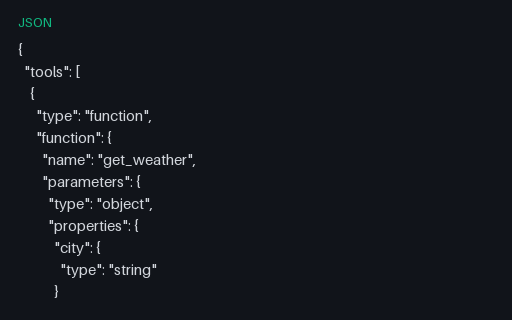
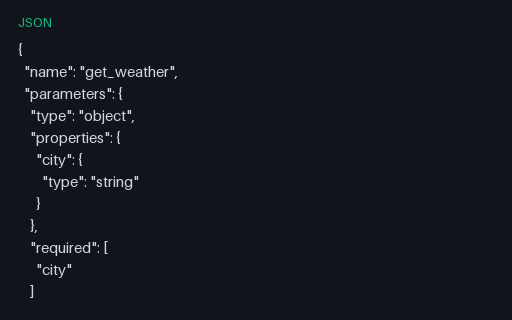
OpenAI function tools definition JSON paired with the tool-calling traces.
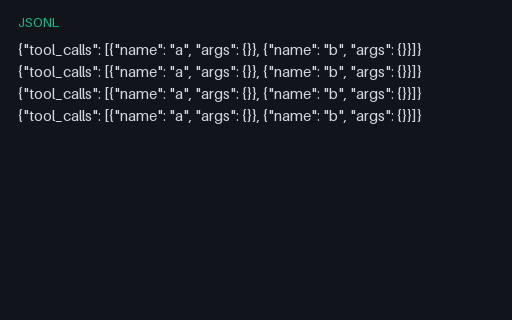
Parallel multi-tool call payloads for concurrent tool-router tests.
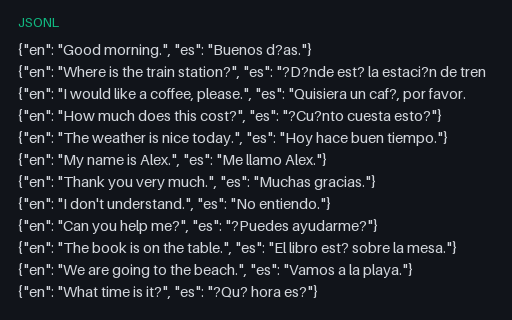
An English↔Spanish parallel corpus in JSON Lines — 20 aligned sentence pairs of everyday phrases. A fixture for training and evaluating machine-translation models and for testing UTF-8 handling of accented characters.
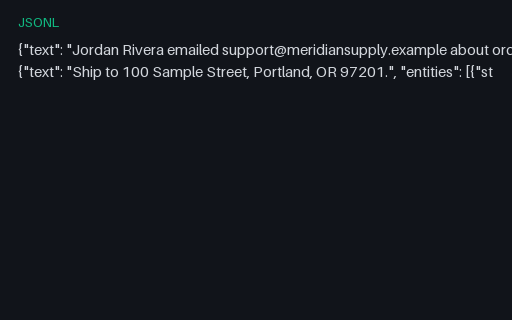
Named-entity spans over fictional SAMPLE PII sentences — for redaction/NER tooling tests.
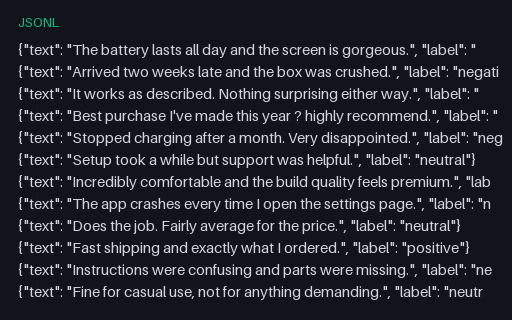
A labelled sentiment-classification dataset in JSON Lines — 24 short product-review-style sentences balanced across positive, negative, and neutral. Fully synthetic; a fixture for testing text-classification loaders, tokenizers, and JSONL parsers.
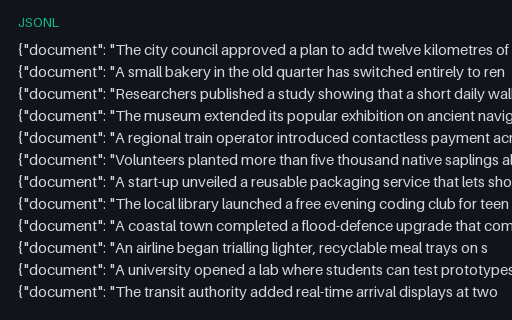
An abstractive-summarization dataset in JSON Lines — 15 short synthetic news-style documents each paired with a one-sentence summary. A fixture for training and evaluating summarization models and for testing JSONL ingestion.
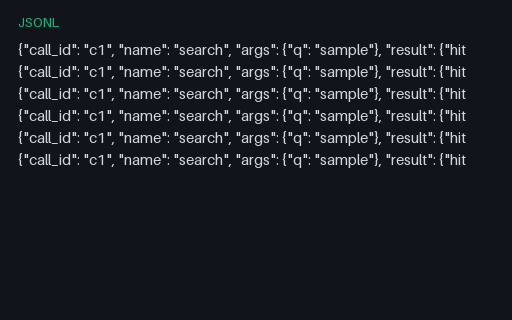
Function-call result rows decoupled from chat messages for router testing.
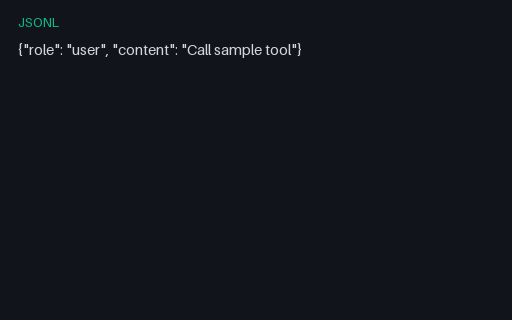
Minimal single-turn tool-calling trace for quick parser smoke tests.
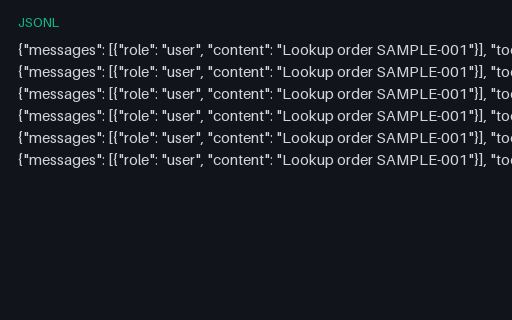
Anthropic-style tool_use blocks with paired tool results for agent harness tests.
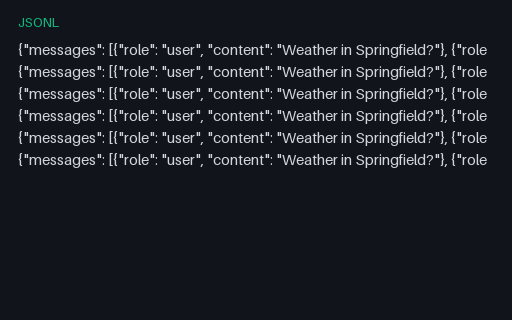
OpenAI-style tool-call JSONL with function invocation and tool result messages.
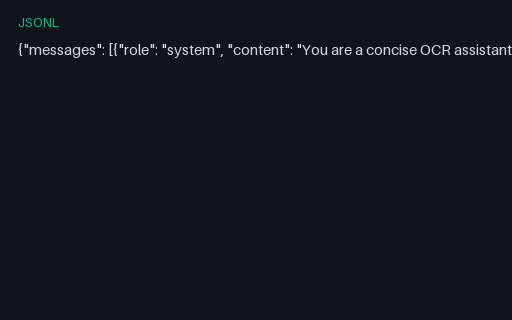
A single multi-turn chat example for an OCR assistant — system/user/assistant roles in JSONL.
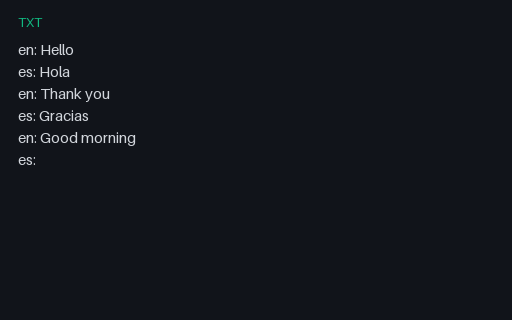
Tiny SAMPLE prompt fixture (fewshot-translate) for harness and eval wiring.
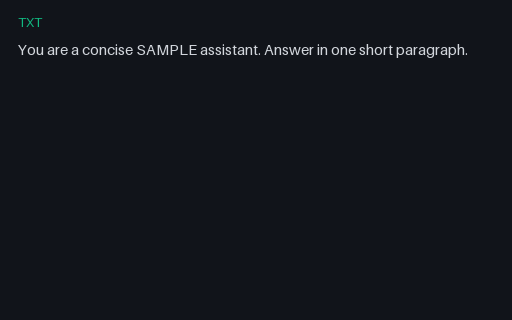
Tiny SAMPLE prompt fixture (system-concise) for harness and eval wiring.
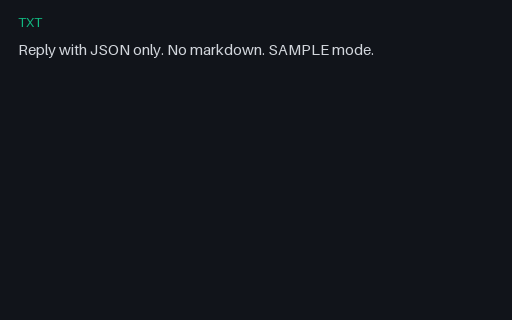
Tiny SAMPLE prompt fixture (system-json-only) for harness and eval wiring.
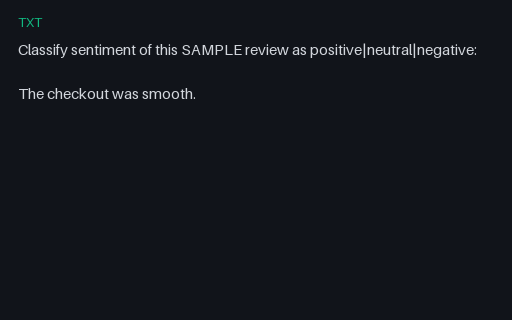
Tiny SAMPLE prompt fixture (user-classify) for harness and eval wiring.
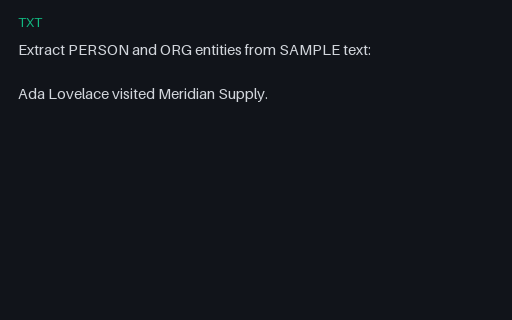
Tiny SAMPLE prompt fixture (user-extract-entities) for harness and eval wiring.
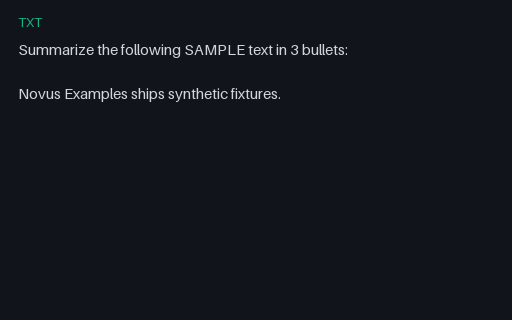
Tiny SAMPLE prompt fixture (user-summarize) for harness and eval wiring.
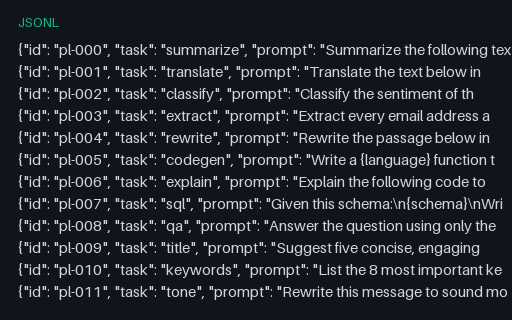
A reusable prompt library in JSON Lines — 20 templated prompts for summarization, translation, extraction, code, and more, each with a task label, tags, and {curly-brace} placeholders. A fixture for prompt-management tools and JSONL parsers.
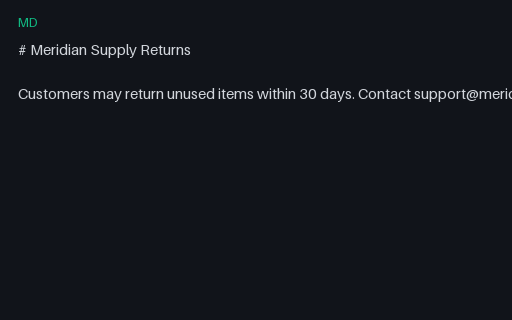
A short Markdown document in the mini RAG corpus (doc-a.md) — retrieve against the paired queries JSON.
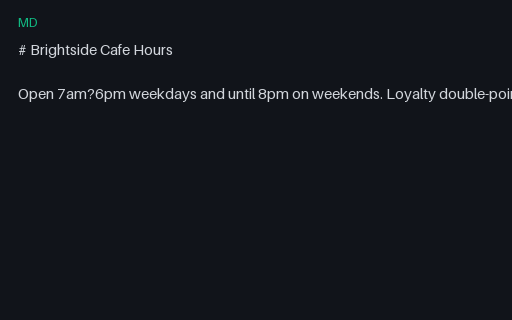
A short Markdown document in the mini RAG corpus (doc-b.md) — retrieve against the paired queries JSON.
A short Markdown document in the mini RAG corpus (doc-c.md) — retrieve against the paired queries JSON.
A short Markdown document in the mini RAG corpus (doc-d.md) — retrieve against the paired queries JSON.
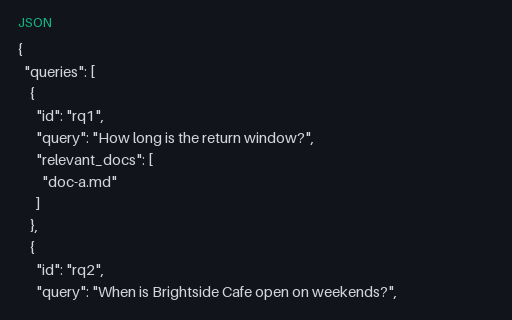
Retrieval-eval queries with relevant_docs pointers into the mini RAG Markdown corpus.
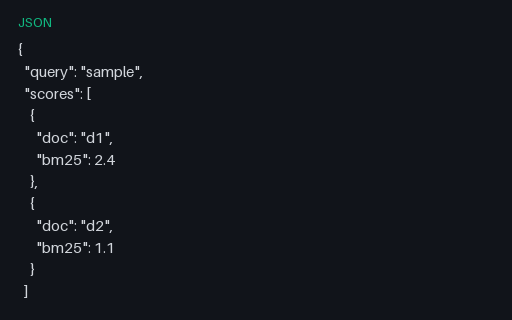
BM25 score snapshot for comparing neural rerankers against a lexical baseline.
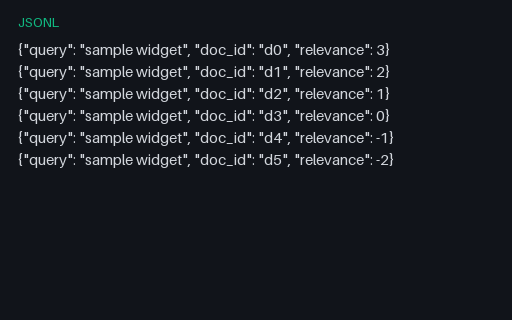
Query-document relevance grades for learning-to-rank training and eval.
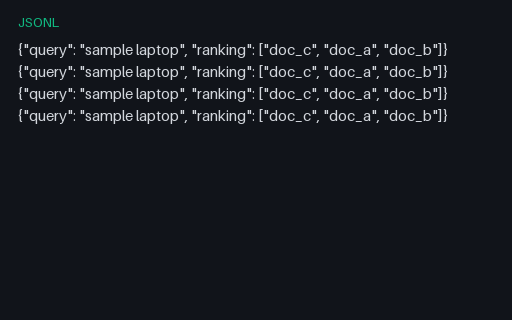
Listwise ranked doc lists for nDCG and listwise loss tests.
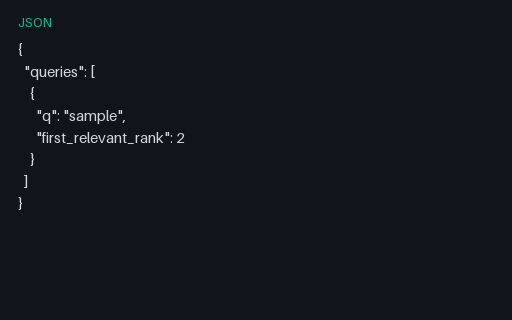
Mean reciprocal rank ground truth for search eval harness tests.
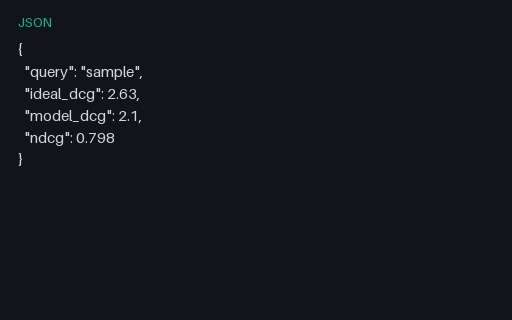
Precomputed DCG/nDCG values for ranking metric unit tests.
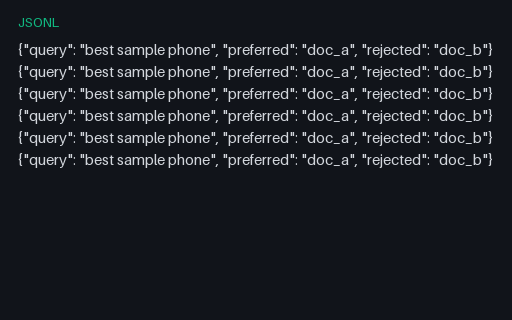
Pairwise doc preferences for reward-model and reranker training tests.
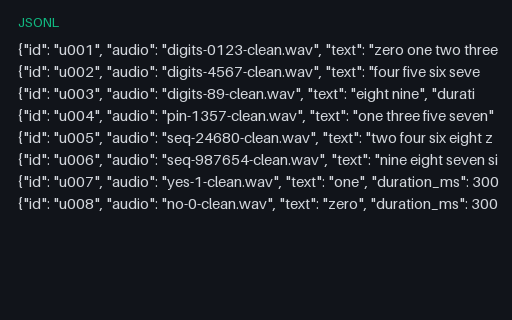
JSON Lines ASR training/eval set for the Wave B synthetic digit utterances — each row points at a clean WAV and carries the expected transcript.
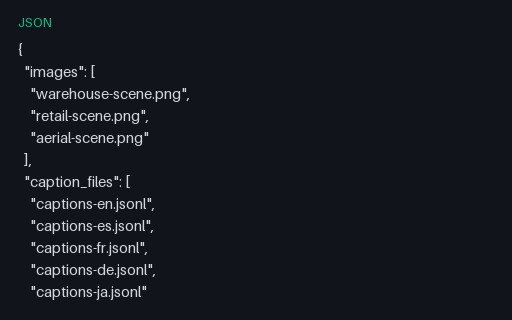
Manifest linking Wave F scene PNGs to per-language caption JSONL files.
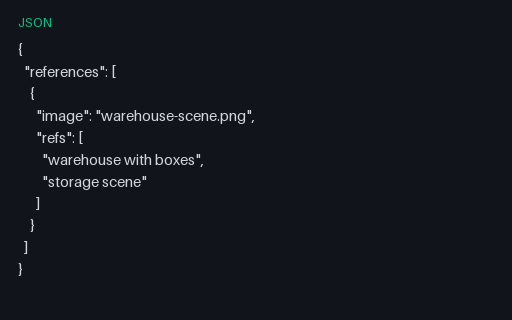
Multiple reference captions per image for BLEU/CIDEr caption eval.
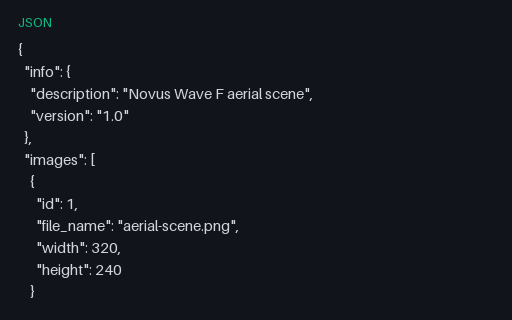
COCO JSON with bounding boxes and polygon segmentation for the aerial scene.
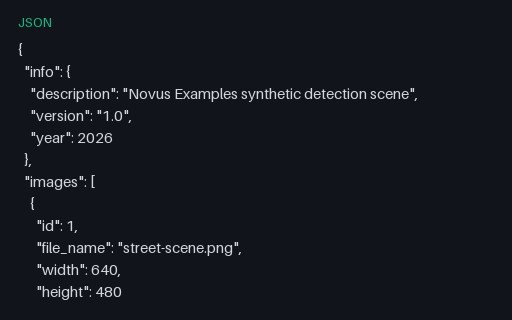
Object-detection annotations for the scene in the COCO JSON format — images, categories, and per-object bounding boxes as [x, y, width, height]. Grouped with YOLO and Pascal-VOC twins for testing annotation-format conversion.
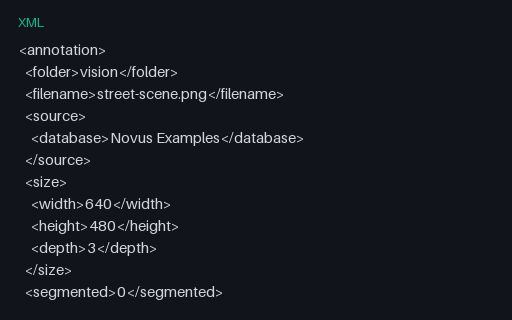
The same detection boxes in the Pascal VOC XML format — a per-image annotation with size, and one object element per box with pixel corner coordinates. The XML twin of the COCO and YOLO annotations.
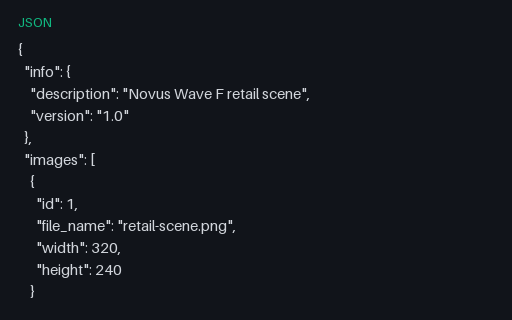
COCO JSON with bounding boxes and polygon segmentation for the retail scene.
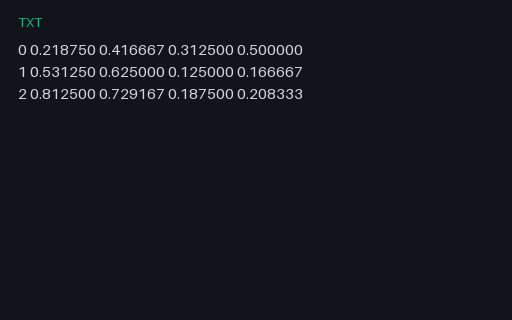
YOLO-format normalised boxes for the retail detection scene.
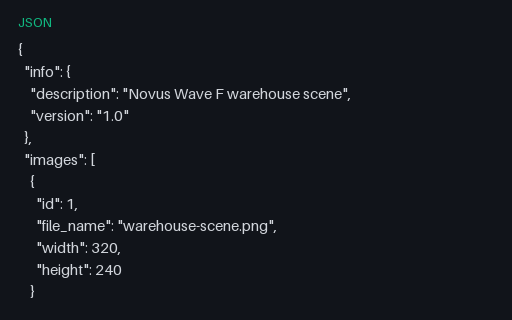
COCO JSON with bounding boxes and polygon segmentation for the warehouse scene.
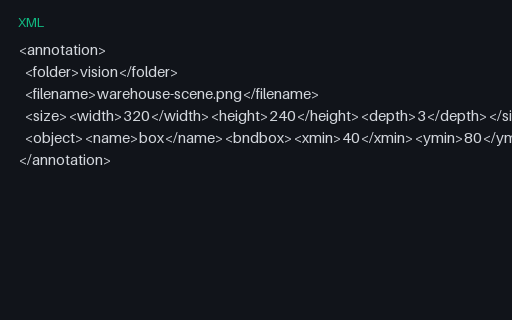
Pascal VOC XML annotations for the warehouse detection scene.
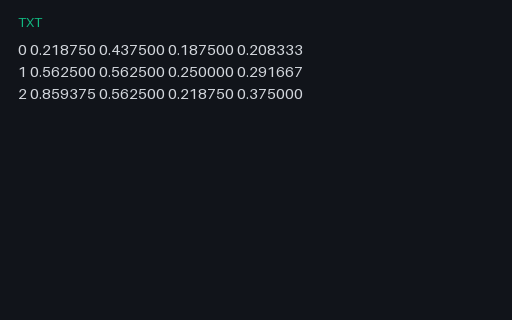
YOLO-format normalised boxes for the warehouse detection scene.
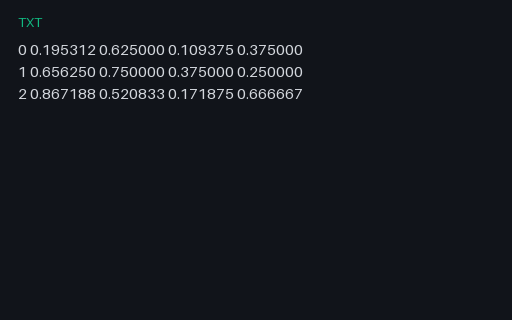
The same detection boxes in the YOLO text format — one object per line as class id and box centre, width, and height normalised to 0–1. The format twin of the COCO and VOC annotations.

The class-name list for the detection scene, one label per line — index equals the zero-based line number, matching the YOLO class ids. A companion to the COCO/YOLO/VOC annotation files.
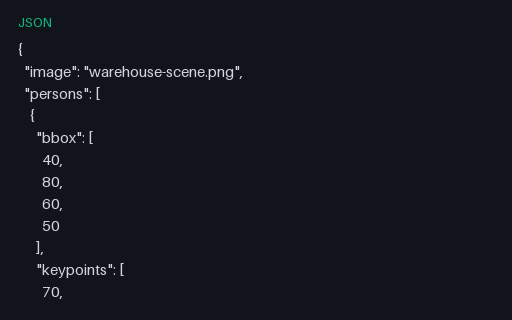
Sample keypoint annotations (visible/occluded flags) for pose-estimation loader tests.

Synthetic aerial detection scene with 2 labelled objects at known coordinates.

Synthetic retail detection scene with 3 labelled objects at known coordinates.

Synthetic warehouse detection scene with 3 labelled objects at known coordinates.
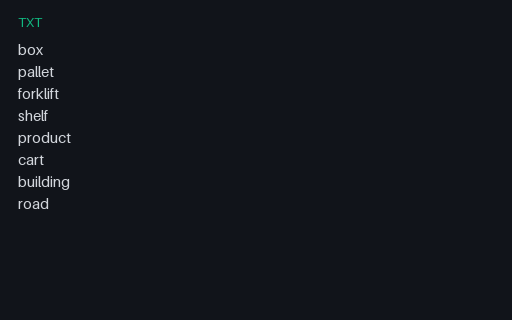
Combined class-name list for Wave F warehouse, retail, and aerial detection scenes.
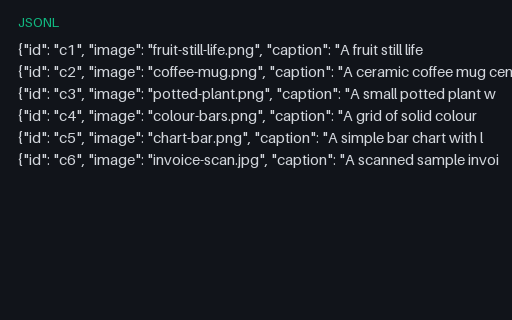
Six synthetic image-caption pairs in JSON Lines — for testing captioning loaders and vision-language eval harnesses.
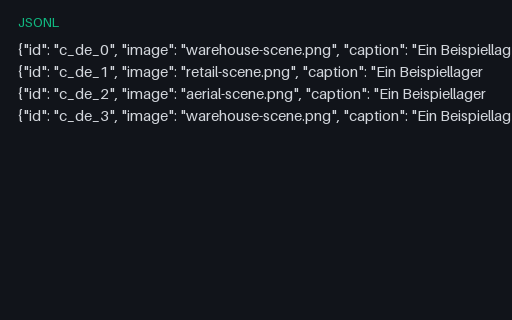
DE image captions referencing Wave F detection scenes.
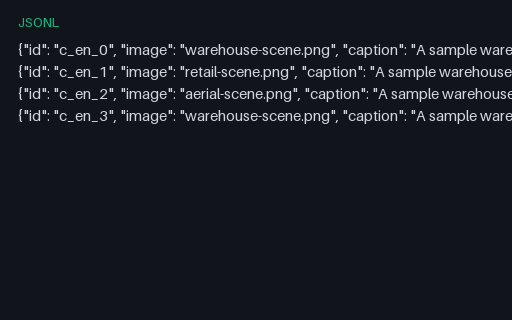
EN image captions referencing Wave F detection scenes.
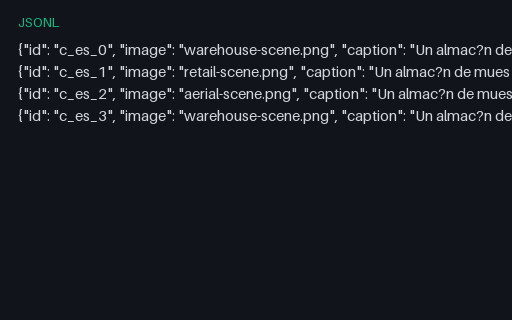
ES image captions referencing Wave F detection scenes.
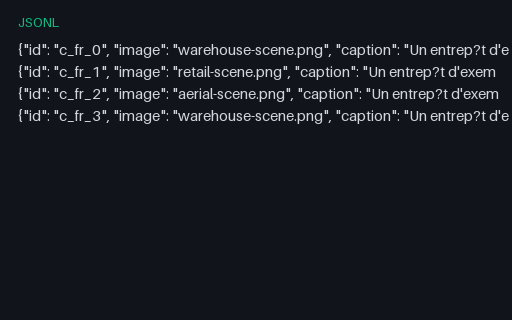
FR image captions referencing Wave F detection scenes.
JA image captions referencing Wave F detection scenes.
Parallel EN/ES/FR/DE captions per image for multilingual eval.

A simple rendered street scene with a person, a car, and a tree at known pixel coordinates — the image the COCO, YOLO, and Pascal-VOC annotation twins describe. A fixture for testing object-detection loaders and annotation converters.
Class-id to name map for the semantic-segmentation mask (background + three shapes).

Indexed 8-bit mask (0=background, 1–3=shapes) for the semantic-segmentation scene twin.

A synthetic RGB scene with three coloured shapes — input for semantic-segmentation models. Pair with the indexed mask twin.
Short VQA question/answer pairs referencing library images — a fixture for VQA loaders and eval scripts.
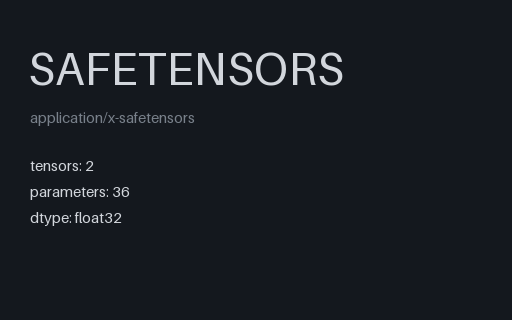
A genuinely-valid safetensors file with two small float32 tensors (36 parameters total) — an 8×4 weight and a length-4 bias. The values are meaningless sample data, not a trained model; a fixture for testing safetensors loaders and weight inspectors.
ASR JSONL, caption/VQA JSONL, mini RAG corpus + queries, semantic-segmentation scene/mask pairs, NER spans, chat prompt turns, plus detection/ranking/tool-calling JSONL and tiny eval packs in later waves.
These are tiny deterministic fixtures for loaders and eval harnesses — not large-scale training corpora.
Filter Browse by purpose tool-calling for function-call JSONL shapes. Treat them as synthetic SAMPLE payloads for schema and harness tests only.
We use Google Analytics and show ads via Adsterra. Non-essential cookies and ad scripts run only after you allow the matching categories. See our cookie policy.