
FASTA Contigs — Wrapped at 60 Columns (.fasta)
Four 600-base synthetic contigs wrapped at the conventional 60 columns, with the length and an invented organism name in each header. The sequences come from a fixed seed, so they are reproducible and belong to nothing that exists.
>NXCTG01 length=600 organism="Synthetica exampleensis strain NX-1 (an invented organism)"
GGCGCGCACGTGGGGGCCCCCAAAAAGCTCTAATGGACTGAATATTGGGGCGTTCTGATA
ACCGGAGTCGTGATTCTGACGTGACTGCACACATCGATGGGCGGTTTCCTCCATGAGTTG
AACTATCTTAGATAAGAGTAGACGAGAGCAACCAGACTACTTGTTGTGGGCTGCGAGGAC
ACCGGAAATCTTCGCTGATTTTGCCCTAATGGTTGCTTCAGTGTCTACGCTCGTCACGCT
AGCGACAGATATAGCTTACCGCCGCGGCTATAAGCAAAGTGTGTCAACGAACGGCTTTCT
AGCGCAATAATCTGAAGCAGGGGTATTACAACAAAGAGTACTCGCGGGGGACACTCGATC
CAAGAGCATGGGCCCAATCCGTTGATTACTGAGCTTCATCGGATCCATTAACCGTCGGGT
CTGCTATACTATCGCGTAGATCGAAGGTCTGTGCGTTGCCCTATGTGCAAACCGAATCTG
ACGGCAAGCCGAAAAGATATTATTGATTGATCTTACATTCGATCGGTTCGCAGACCCGAG
TTCAATGCGTGGTCAAATGTCTACATCAGAAACCGGTGGCTACACGAGCTAAGAATTGGG
>NXCTG02 length=600 organism="Synthetica exampleensis strain NX-1 (an invented organism)"
ACCCGCAGTTTGGAGTGCCTAGCGACTAATGTGACACTGTGGTATCGCTCCTTCTTAGGA
GGCAGGGACTCCAGCGTCTCTTTGCGTGTGGCTATAGAATTGTATAATATCCCGTCGCGG
AGAACAAGCTTTCATAGGCCGGTGTGGCATCGTTCTCCAACAGACGCAGTGTTGCTTCCA
TTCGGTTGCCGGAGAGCTAGTAGTACCACTGCGATTCTACTTCACTTCTTGCGTGTGCAT
CTGTAAGATCCGGTCGGGCCAGGTATGCAAGGTACCGTATACCCCGTGGCTCGCGACATC
CCAACGTCCCATAGACGCCTTCGTCAAGACTCCCCGGTTCAATACAGTCTGAGAAATTTC
GACGCTTCGCCCGTGCGCGGCTAGAGGAGCCTGGTCTAGTATACGTGCATCGCACGAACG
GCGCGAGACGGCGGACACATACAACGTTTAGAACCATGCGAAACCTCCTCTAAAGAGGGC
GTAAAAGCTGGGGAGATGGCACCGAAGAGTTACTGACCGTATGGGCCATGCAAATCTTCA
GTAGACTGATTTTAACCAGGGAATCACGATGGACTCATACCATACGGCTTCATGTAAACC
>NXCTG03 length=600 organism="Synthetica exampleensis strain NX-1 (an invented organism)"
AACGGGGGCGGCTTTAATGTCTGGTTTAAGCTACAGGAGGTGGGCATTCACACCGACGAC
AGACCTCATTGCCAGCCTCCCTGACGATTACATAGCCACGTTTAACTTGTTTGTTTGGTT
GTTCATACTCCACCAGTTGCACAGACCGGAGCTACCCGTGCGACTCCGAGGCATGAAGCA
TAAATGCCTCAGGTGAAGTAGTCACCTTGAACGGCTAGTATGTCGATCGATAGACTTCGC
GCGTGGGGCGATAGGACCCGCACTGGATTATTAGTTCGCACGCTGGGTTAAGTAATCCTC
ACAGTGATAAGGCGGGACCGCTTCCTGTTAGATTGGCAGACAGTGATTTGCAGAACCTCT
GGAATCGAAGTAGAAGGAAGTGCCTGTTGTCGAGAAGAGGATGGTCCGAGGGGCTAGTGA
TAGGGACATACAGGTCGTCGGGCCACACATAAGTTATGTTCGTTACCCTTGGAAAGTAGA
ATCACGGCGTATATCACATTGTTATTACATAAAATAATGCCGGTGGAACGCGATCCTTAA
GACAGGGGCAGCCAAAGCTGGGAGTAAAGCAATCACATTTAACGAAATGTCGTGGACGTA
>NXCTG04 length=600 organism="Synthetica exampleensis strain NX-1 (an invented organism)"
TACAACATAGACGATGCATAGAATTGCACCAGAGCAGTCAAACTTGAAAGATTGACCGAG
CCTCACGGGGGAATAACCTCCGGTCCACAGCGGGCCAGTAACGGTCATCGATTGATGGGT
CTAGCACCACAACAACGGTGGTTAGTTCTTAGCAATTGCGATTTGAGAACGGAACTAGTT
ATTCAAATCTTTTCCCGTCCTATCGTAGCAGACCTTCTACAGACACTGTTGTACACAATG
GGTTTGGATTCGTCCCACATCCGTTACGACTGGATGGCATCTGATGGTGATGAACCTACG
ACAAGGGATGCTAATGCCCTAGCATGACTGGTTAAACAACTTAGTAGATAATCGTTTCCG
CTCTCTTTTTGCTAGGGGACAACAGGTTATTGAGAAGAGTCTGGGTTCATTTTCGATCCG
CCGATCGATTGGTAGACTAGCCAACGGGACTACGCACGCCGTCCGGGTAATTAAGCTAAT
GCACATGCCAGTTGTTAAATCAAACACATAGCCGCCCGGAACGTAGCAGCTTACTTAAGG
TCGATAGTCAGTGCGGTAACCTGTGACAACCTATTCTCGGCGGCGTTTGTGGAGGATCGT
Specifications
- Records
- 4
- Sequence Length
- 600
- Line Width
- 60
- Alphabet
- ACGT
- Seed
- 20260848
- Organism
- invented
- Total Bases
- 2400
Testing contract
Expected to pass- Scenario
- Parse the file and report the length of each record after joining its wrapped sequence lines.
- Expected result
- Four records are found, each exactly 600 bases long over the ACGT alphabet, and each sequence matches the corresponding record in the unwrapped twin exactly.
What is a .fasta file?
FASTA is the plain-text format for biological sequences. Each record begins with a `>` header line carrying an identifier and free-form description, followed by the sequence itself wrapped over as many lines as needed using IUPAC single-letter codes for nucleotides or amino acids. It records no quality or alignment information, which is what keeps it universal.
How to use this file
Use an example .fasta file to test sequence parsers and pipeline entry points, checking multi-record splitting, tolerance of varying line widths and blank lines, correct handling of ambiguity codes, and that description text after the first whitespace is kept separate from the identifier.
How to use this file for testing
“FASTA Contigs — Wrapped at 60 Columns (.fasta)” is a deterministic Novus Examples fixture for Scientific data, Editor testing. Citation catalogs (BibTeX, RIS), chemistry structures (MDL Molfile, PDB), and gridded binary data (NetCDF, FITS) — for testing reference managers, molecule viewers, and scientific-data loaders.
Documented properties for this file: seed 20260848 · 4 records. Compare results against paired or grouped companions on this page when present (clean↔damaged, searchable↔scanned, or format twins) so scores stay reproducible across runs.
Download the file once, keep the path stable in CI or local scripts, and treat the spec table as the contract: dimensions, seeds, field lists, and roles are intentional. Corrupt or invalid samples are labelled as such — expect parsers to fail loudly rather than silently accept them.
Scientific fixtures are small, valid, and fully synthetic — no real organism, patient, sample, or observation. Point your parser or loader at the file and check it reads the documented records, variables, or headers; binary formats ship a readable twin or metadata listing for comparison.
Related files
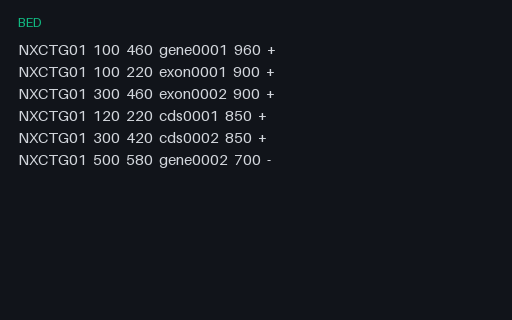
- bedBED6 Intervals — 0-Based Half-Open Coordinates (.bed)The same six features as the GFF3 file expressed in BED's 0-based half-open coordinates, where the start is one lower and the end is unchanged. Confusing the two conventions shifts every interval by a base, and this pair makes that shift a visible diff.
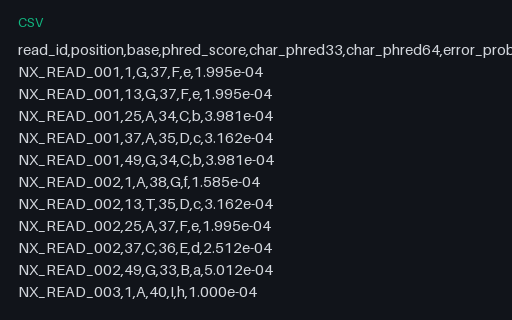
- csvFASTQ Quality Score Reference — Both Encodings Decoded (.csv)Every twelfth base of the six reads with its Phred score, the ASCII character it takes under both offsets, and the error probability that score implies. It converts a quality-encoding argument into a lookup you can diff.
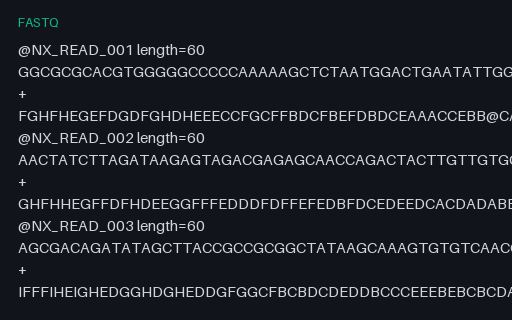
- fastqFASTQ Reads — Phred+33 (Sanger / Illumina 1.8+) (.fastq)Six 60-base reads with Phred+33 quality strings, the modern Sanger encoding used by everything since Illumina 1.8. Quality declines along each read the way real sequencing does, so a mis-decoded offset produces implausible scores rather than plausible ones.
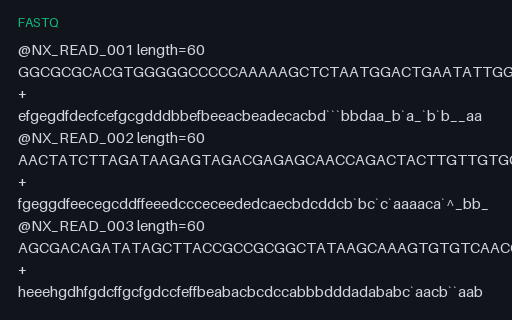
- fastqFASTQ Reads — Phred+64 Legacy Encoding (.fastq)The identical reads and identical quality scores written with the legacy Phred+64 offset used by older Illumina pipelines. Decode it with the modern offset and every base looks 31 points better than it is, which is a silent quality inflation rather than a parse failure.
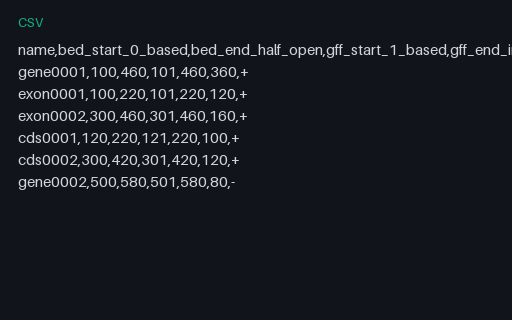
- csvGenomic Coordinate Conventions — BED versus GFF3 Side by Side (.csv)Every interval written in both coordinate conventions with its length, which is identical either way. It is the lookup table for the most common bioinformatics off-by-one, and the length column is what proves a conversion did not quietly change an interval's size.
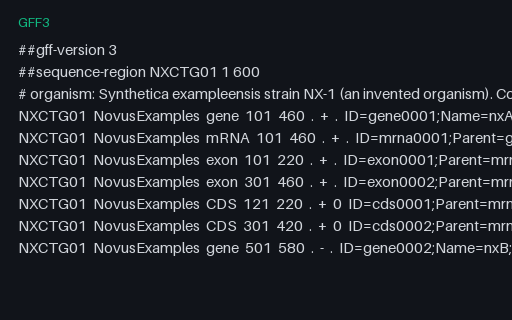
- gff3GFF3 Gene Annotations — 1-Based Inclusive Coordinates (.gff3)Seven features on a synthetic contig — two genes, an mRNA, two exons and two CDS records — linked by ID and Parent attributes across both strands. GFF3 coordinates are 1-based and inclusive, which is the fact its BED twin exists to contrast.
Generated by generation/scientific.py. Free for any use, no attribution required — license.