
3gp
11.9 KB3GP — Mobile H.264 Clip
The clip as 3GP — the 3GPP mobile container from the feature-phone era. For testing 3GP demuxing and conversion.
- File
- 3GP · 3gp · 480x270
- Use case
- Conversion testing
Search files, editable visual templates, and live browser targets from one registry-backed directory. Filtered query views stay crawlable for links but are deliberately noindex; the stable taxonomy pages below remain the canonical search surfaces.
Page 1 of 17; 24 results per page.
The clip as 3GP — the 3GPP mobile container from the feature-phone era. For testing 3GP demuxing and conversion.
A 60 frames-per-second clip with a smoothly sweeping marker — double the usual frame rate. A fixture for testing high-frame-rate playback, frame-rate detection, and fps conversion (60→30 decimation).
A five-second clip that flashes white and plays a 1 kHz beep on every whole second — the first clip in the library WITH an audio track. A direct fixture for measuring and correcting audio/video sync (lip-sync) offset.
The same codec and container with NO alpha plane, as the control for the alpha clip in this group. Useful for checking that alpha detection reads the pixel format rather than assuming every WebM is transparent — and for confirming a compositing bug is in the alpha handling rather than in the player.

Video with a real per-pixel alpha channel: VP9 yuva420p in WebM, the one alpha path browsers decode natively. Composite it over a page background and the transparency is genuine, not a chroma key. Roughly 90% of each frame is fully transparent. Two traps this file exists to expose. First, auto-alt-ref must be disabled at encode time or libvpx silently drops the alpha plane, producing a valid file with no transparency and no error. Second, WebM stores VP9 alpha in BlockAdditional and signals it with AlphaMode=1, so FFmpeg's NATIVE vp9 decoder reports pix_fmt yuv420p and decodes fully opaque — you must force `-c:v libvpx-vp9` to see the alpha at all. Probing this file with default settings and concluding it has no alpha is the expected mistake.
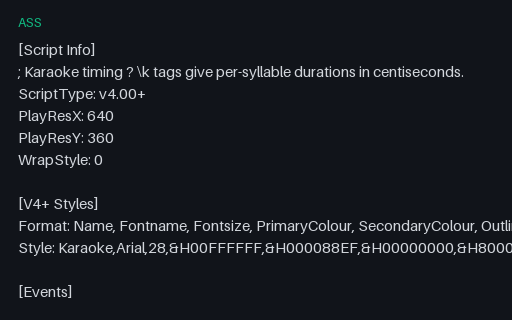
Advanced SubStation Alpha using the features that distinguish it from SubRip: per-syllable \k karaoke timings in centiseconds, a full V4+ style definition with primary and secondary colours, and an \an override that repositions a line. Converting this to SRT necessarily loses all of it, which makes it a good test of whether a converter warns about that or drops it silently.
The clip as DivX-style MPEG-4 ASP in an AVI container — the codec that defined early desktop video. For testing MPEG-4 Part 2 decoding and AVI conversion.
The clip as Motion-JPEG in a classic AVI (RIFF) container — every frame an independent JPEG. For testing legacy AVI readers, MJPEG decoding, and AVI→modern-codec conversion.
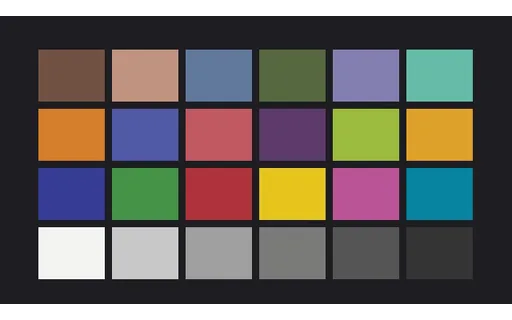
A 24-patch chart drifting slowly so it is genuinely moving footage rather than a still. Patch values are fixed and documented, so colourisation and colour-management output can be measured per patch. The values are fictional and not a reproduction of any licensed reference chart. One of eight shared base plates: every AI-video suite in this library degrades one of these rather than inventing its own footage, so results across suites are comparable. Encoded at CRF 14 — well above the house CRF 30 — because a reference compressed as hard as the material under test puts the measurement floor above the effect being measured.
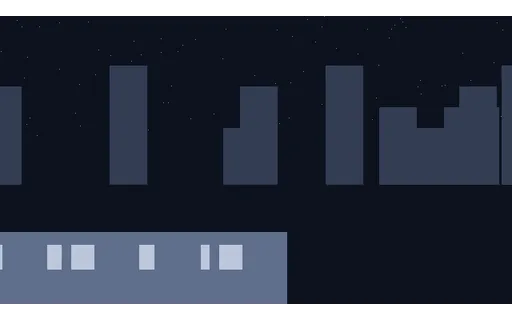
Far, mid and near layers translating at 0.6, 2.4 and 6.0 pixels per frame. Relative depth is defined by the motion ratio rather than guessed from cues, which gives depth-from-video and optical-flow output something objective to be scored against. One of eight shared base plates: every AI-video suite in this library degrades one of these rather than inventing its own footage, so results across suites are comparable. Encoded at CRF 14 — well above the house CRF 30 — because a reference compressed as hard as the material under test puts the measurement floor above the effect being measured.
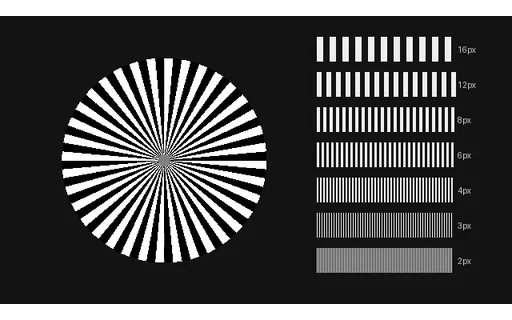
A 36-spoke Siemens star under a slow zoom, plus bar-pair wedges from 16 pixels down to 2. Detail runs right down to the Nyquist limit, which is exactly where super-resolution and denoise either recover structure or invent it. One of eight shared base plates: every AI-video suite in this library degrades one of these rather than inventing its own footage, so results across suites are comparable. Encoded at CRF 14 — well above the house CRF 30 — because a reference compressed as hard as the material under test puts the measurement floor above the effect being measured.

A smooth vertical gradient whose hue drifts across the clip, with one soft glow for structure. Almost no high-frequency detail, so it provokes banding and blocking in exactly the way flat skies do in real footage — the hardest case for a low-bitrate encoder. One of eight shared base plates: every AI-video suite in this library degrades one of these rather than inventing its own footage, so results across suites are comparable. Encoded at CRF 14 — well above the house CRF 30 — because a reference compressed as hard as the material under test puts the measurement floor above the effect being measured.
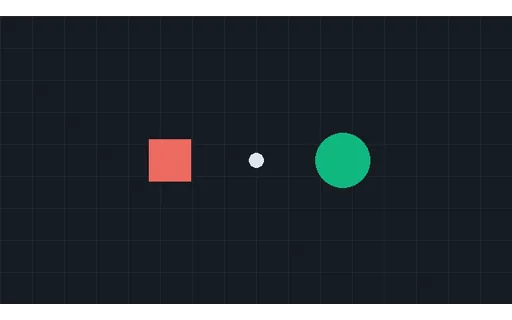
A green disc and a red square orbiting the centre in antiphase over a grid. Hard edges and flat fills make the boundary unambiguous, so segmentation and tracking output can be scored against exact geometry rather than a judgement call. One of eight shared base plates: every AI-video suite in this library degrades one of these rather than inventing its own footage, so results across suites are comparable. Encoded at CRF 14 — well above the house CRF 30 — because a reference compressed as hard as the material under test puts the measurement floor above the effect being measured.
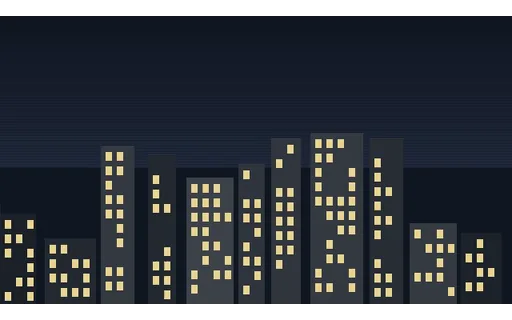
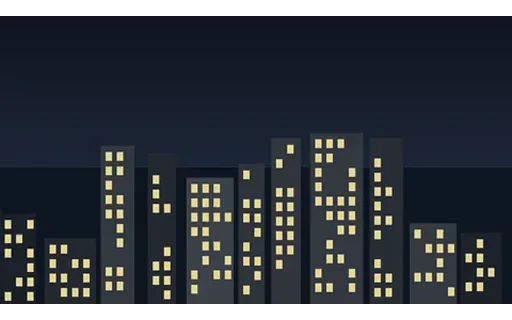
A skyline scrolling at a constant 3.5 pixels per frame: pure horizontal translation with no rotation or scale change. The lit windows give sparse high-contrast features to track, and the constant velocity means the correct answer for interpolation and optical flow is known exactly. One of eight shared base plates: every AI-video suite in this library degrades one of these rather than inventing its own footage, so results across suites are comparable. Encoded at CRF 14 — well above the house CRF 30 — because a reference compressed as hard as the material under test puts the measurement floor above the effect being measured.
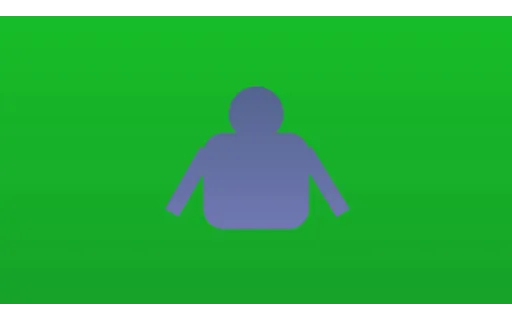
An anti-aliased figure moving over a chroma-green field with a deliberate lighting falloff, so the key is not perfectly flat. Ships with a per-frame alpha ground truth, which is what makes matting output measurable instead of merely inspectable. One of eight shared base plates: every AI-video suite in this library degrades one of these rather than inventing its own footage, so results across suites are comparable. Encoded at CRF 14 — well above the house CRF 30 — because a reference compressed as hard as the material under test puts the measurement floor above the effect being measured.
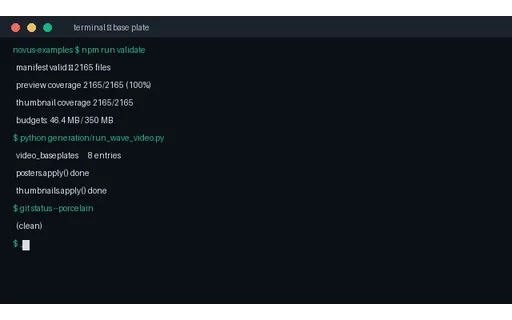
Scrolling monospaced terminal output with a blinking cursor. Thin high-contrast glyph edges are what chroma subsampling and low bitrates destroy first, and legibility after processing is a pass/fail signal that needs no metric. One of eight shared base plates: every AI-video suite in this library degrades one of these rather than inventing its own footage, so results across suites are comparable. Encoded at CRF 14 — well above the house CRF 30 — because a reference compressed as hard as the material under test puts the measurement floor above the effect being measured.
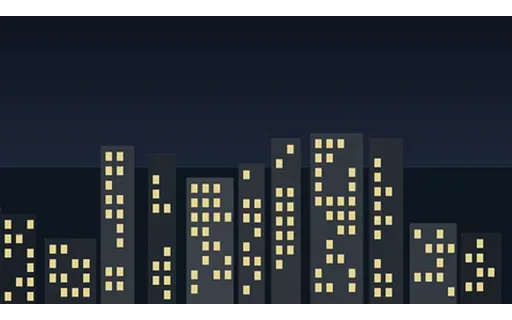
Every frame is an I-frame, so any frame is an independent cut point. Much larger, and the shape editing and frame-accurate seeking want. Same picture and same codec as every other clip in this group — only the GOP and frame-type structure differ, so the effect on size and seekability is directly attributable.
Eight consecutive B-frames with a B-pyramid, so decode order and display order diverge sharply and DTS runs well behind PTS. The case that breaks naive timestamp handling and any code that assumes frames arrive in display order. Same picture and same codec as every other clip in this group — only the GOP and frame-type structure differ, so the effect on size and seekability is directly attributable.
One keyframe per second — the delivery default, and the setting that determines HLS/DASH segment boundaries, since a segment must start on a keyframe. Same picture and same codec as every other clip in this group — only the GOP and frame-type structure differ, so the effect on size and seekability is directly attributable.
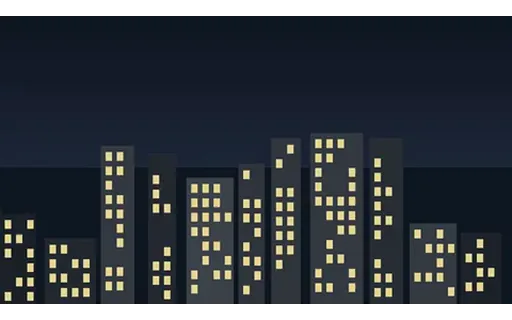
I and P frames only. Required by some low-latency and legacy decoders, and it removes the reordering that makes decode order differ from display order. Same picture and same codec as every other clip in this group — only the GOP and frame-type structure differ, so the effect on size and seekability is directly attributable.
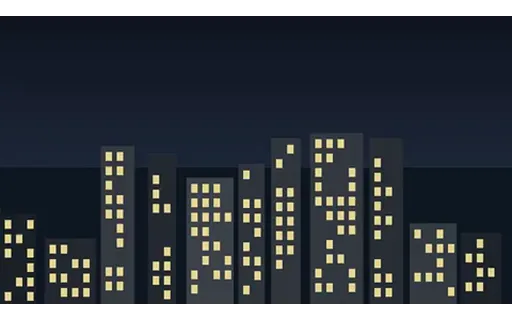
A keyframe every 8 frames with scene-cut detection disabled, so the GOP length is exactly what it says. Short GOPs cost bitrate but bound seek latency — the trade-off streaming packagers make explicitly. Same picture and same codec as every other clip in this group — only the GOP and frame-type structure differ, so the effect on size and seekability is directly attributable.
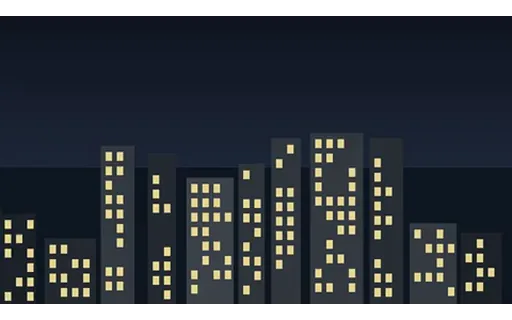
Exactly one keyframe, at the start. Maximally efficient and nearly unseekable: a player must decode from frame zero to reach any position, which is what makes long-GOP archives painful to scrub. Same picture and same codec as every other clip in this group — only the GOP and frame-type structure differ, so the effect on size and seekability is directly attributable.
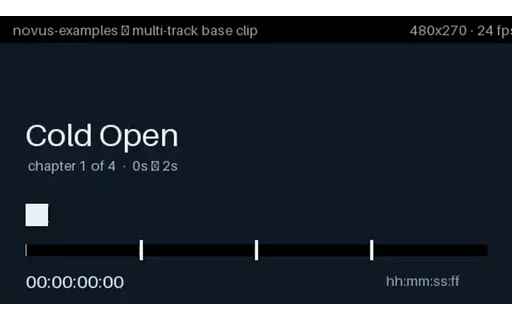
Four named chapters — Cold Open, Titles, Main Segment, Credits — on two-second boundaries. The clip burns the chapter name and a running timecode into the picture, so the chapter marks can be verified by eye against what the player's chapter menu claims. Matroska stores chapters as a proper EditionEntry structure with nanosecond timestamps and per-language names, and every desktop player exposes them. This is the reference case.
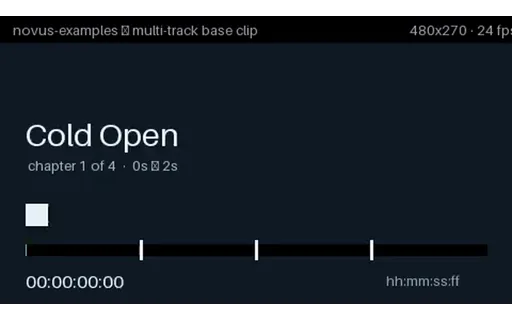
Four named chapters — Cold Open, Titles, Main Segment, Credits — on two-second boundaries. The clip burns the chapter name and a running timecode into the picture, so the chapter marks can be verified by eye against what the player's chapter menu claims. MP4 has no chapter box. FFmpeg writes them as a QuickTime chapter track — a hidden text track referenced by the video track — which QuickTime, VLC and most desktop players read and which browsers ignore completely. Remux this to MKV and back and the chapters usually survive; convert it with a tool that maps streams individually and they usually do not.
We use Google Analytics and show ads via Adsterra. Non-essential cookies and ad scripts run only after you allow the matching categories. See our cookie policy.