Skip to content
Novus Examples

Heavily compressed clips with a high-quality reference

The same footage at a ladder of quantiser settings from near-lossless down to visibly broken, each paired with its high-quality source — for testing artefact-removal models and for calibrating quality metrics against known encoder settings.

26 of 26 files
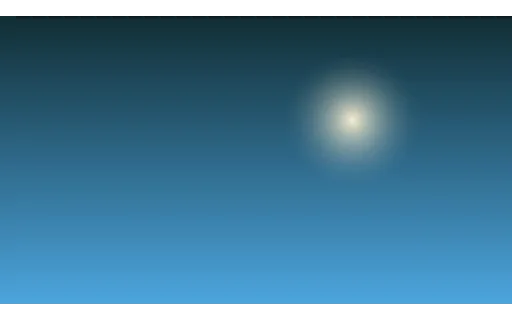
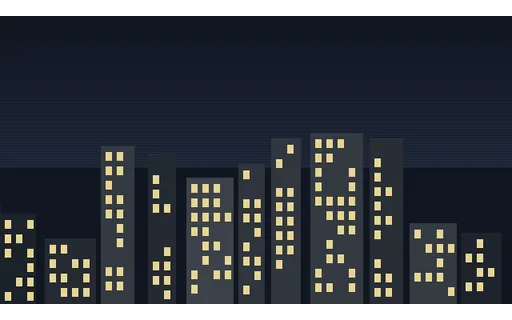
Preview of Compression Reference — gradient-sky at CRF 14
mp4
45.5 KB

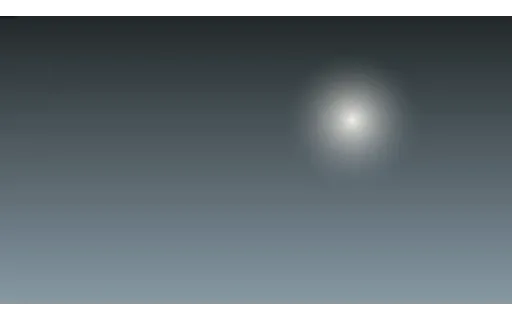
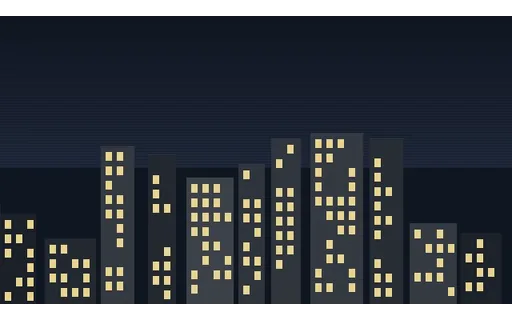
Compression Reference — gradient-sky at CRF 14

The high-quality reference for the gradient-sky compression ladder, at CRF 14. Each clip in this group is the SAME source frames encoded at a progressively higher quantiser, so the only variable is the encoder setting. Useful both for artefact-removal models and for calibrating a quality metric against settings whose visual cost is already known.

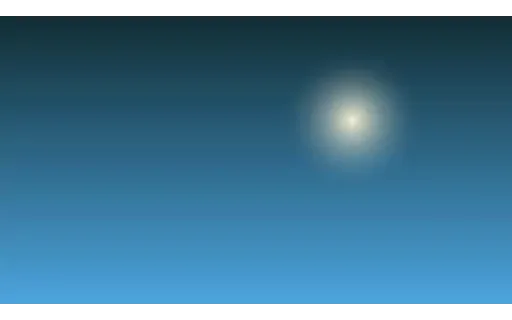
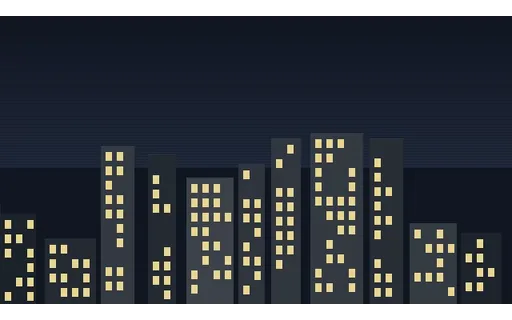
Preview of Compression Input — gradient-sky at CRF 28
mp4
26.2 KB

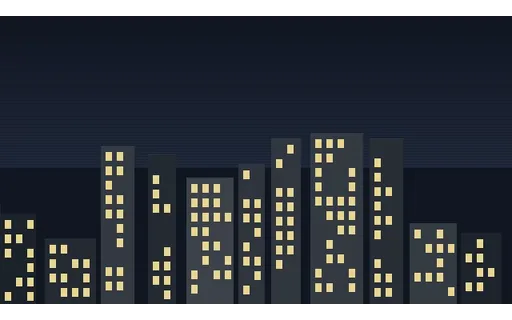
Compression Input — gradient-sky at CRF 28

The gradient-sky plate at CRF 28 — mild artefacts. Encoded from the original frames rather than transcoded from the reference, so it carries exactly one generation of loss and the comparison is clean. On this plate the damage shows as banding across the smooth gradient, which is the artefact viewers notice first and metrics score most poorly.

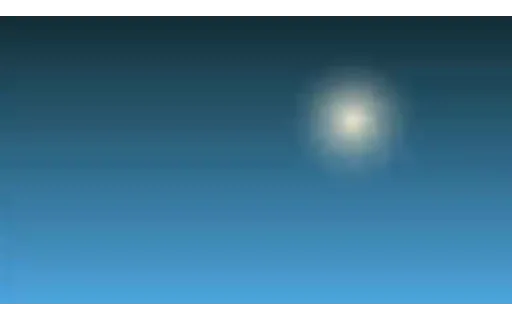
Preview of Compression Input — gradient-sky at CRF 36
mp4
20.8 KB

Compression Input — gradient-sky at CRF 36

The gradient-sky plate at CRF 36 — clearly visible artefacts. Encoded from the original frames rather than transcoded from the reference, so it carries exactly one generation of loss and the comparison is clean. On this plate the damage shows as banding across the smooth gradient, which is the artefact viewers notice first and metrics score most poorly.

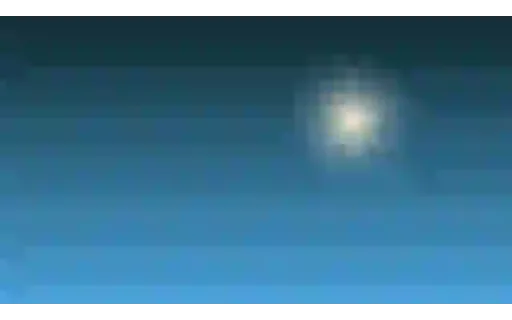
Preview of Compression Input — gradient-sky at CRF 44
mp4
14.7 KB

Compression Input — gradient-sky at CRF 44

The gradient-sky plate at CRF 44 — severe artefacts. Encoded from the original frames rather than transcoded from the reference, so it carries exactly one generation of loss and the comparison is clean. On this plate the damage shows as banding across the smooth gradient, which is the artefact viewers notice first and metrics score most poorly.

Preview of Compression Input — gradient-sky at CRF 51
mp4
10.8 KB

Compression Input — gradient-sky at CRF 51

The gradient-sky plate at CRF 51 — extreme — the codec's limit artefacts. Encoded from the original frames rather than transcoded from the reference, so it carries exactly one generation of loss and the comparison is clean. On this plate the damage shows as banding across the smooth gradient, which is the artefact viewers notice first and metrics score most poorly.

Preview of Compression Reference — text-motion at CRF 14
mp4
37.7 KB

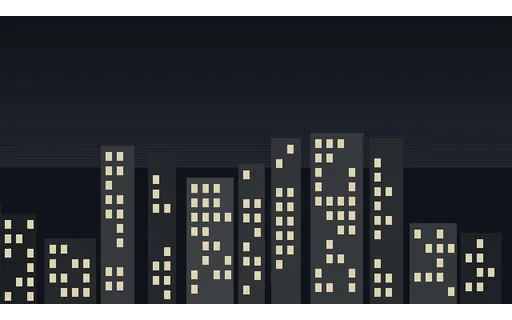
Compression Reference — text-motion at CRF 14

The high-quality reference for the text-motion compression ladder, at CRF 14. Each clip in this group is the SAME source frames encoded at a progressively higher quantiser, so the only variable is the encoder setting. Useful both for artefact-removal models and for calibrating a quality metric against settings whose visual cost is already known.

Preview of Compression Input — text-motion at CRF 28
mp4
17.9 KB

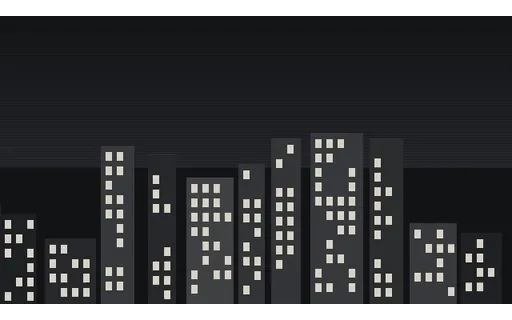
Compression Input — text-motion at CRF 28

The text-motion plate at CRF 28 — mild artefacts. Encoded from the original frames rather than transcoded from the reference, so it carries exactly one generation of loss and the comparison is clean. On this plate the damage shows as ringing around glyph edges, where legibility gives a pass/fail signal that needs no metric.

Preview of Compression Input — text-motion at CRF 36
mp4
12.5 KB

Compression Input — text-motion at CRF 36

The text-motion plate at CRF 36 — clearly visible artefacts. Encoded from the original frames rather than transcoded from the reference, so it carries exactly one generation of loss and the comparison is clean. On this plate the damage shows as ringing around glyph edges, where legibility gives a pass/fail signal that needs no metric.

Preview of Compression Input — text-motion at CRF 44
mp4
8.1 KB

Compression Input — text-motion at CRF 44

The text-motion plate at CRF 44 — severe artefacts. Encoded from the original frames rather than transcoded from the reference, so it carries exactly one generation of loss and the comparison is clean. On this plate the damage shows as ringing around glyph edges, where legibility gives a pass/fail signal that needs no metric.

Preview of Compression Input — text-motion at CRF 51
mp4
5.2 KB

Compression Input — text-motion at CRF 51

The text-motion plate at CRF 51 — extreme — the codec's limit artefacts. Encoded from the original frames rather than transcoded from the reference, so it carries exactly one generation of loss and the comparison is clean. On this plate the damage shows as ringing around glyph edges, where legibility gives a pass/fail signal that needs no metric.

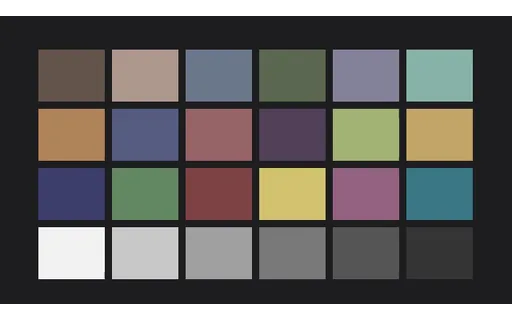
Preview of Compression Reference — detail-chart at CRF 14
mp4
68.3 KB

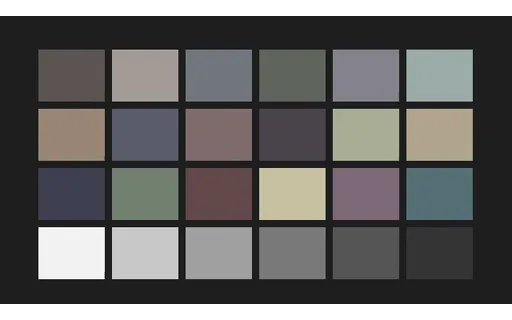
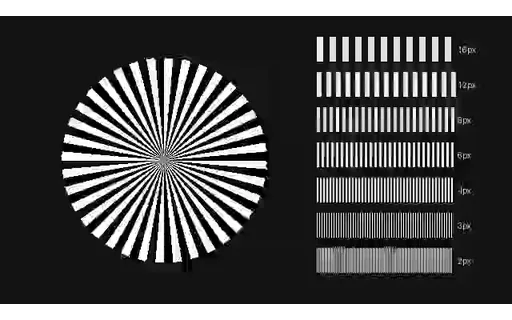
Compression Reference — detail-chart at CRF 14

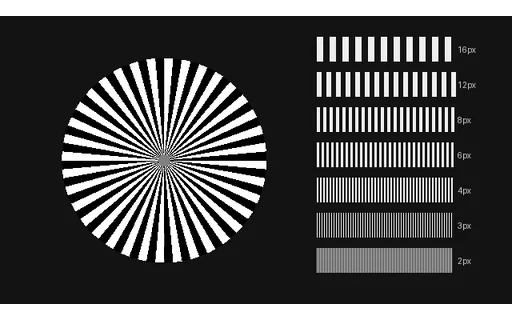
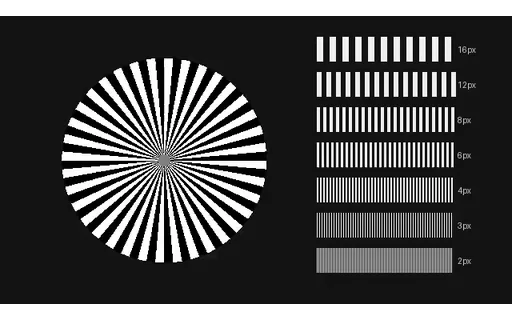
The high-quality reference for the detail-chart compression ladder, at CRF 14. Each clip in this group is the SAME source frames encoded at a progressively higher quantiser, so the only variable is the encoder setting. Useful both for artefact-removal models and for calibrating a quality metric against settings whose visual cost is already known.

Preview of Compression Input — detail-chart at CRF 51
mp4
7.1 KB

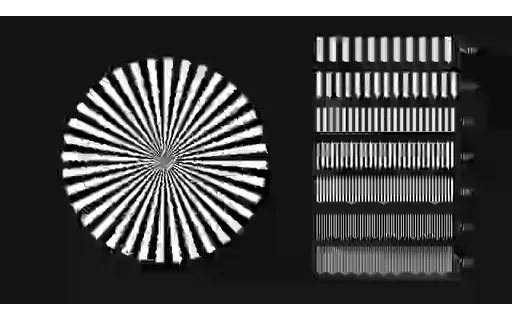
Compression Input — detail-chart at CRF 51

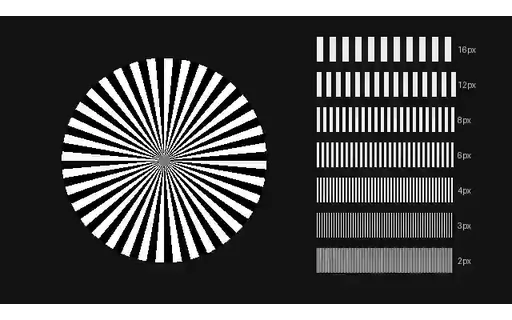
The detail-chart plate at CRF 51 — extreme — the codec's limit artefacts. Encoded from the original frames rather than transcoded from the reference, so it carries exactly one generation of loss and the comparison is clean. On this plate the fine wedges collapse first, showing exactly which spatial frequencies the quantiser discarded.

Preview of Colour Signalling — BT.709 (HD SDR)
mkv
26.2 KB

Colour Signalling — BT.709 (HD SDR)

The HD standard, and what a player assumes when a file says nothing. The reference member of this group: every other clip carries identical pixels and different signalling. Every clip in this group carries the SAME picture and differs only in its colour signalling, so any difference in how a player renders them is entirely a metadata-handling difference.

Preview of Colour Signalling — BT.601 (SD)
mkv
26 KB

Colour Signalling — BT.601 (SD)

The standard-definition matrix. Decoding BT.601 content as BT.709 (or the reverse) shifts every colour subtly — greens and reds most visibly. It is the single most common colour bug in transcode pipelines, and this pair reproduces it on demand. Every clip in this group carries the SAME picture and differs only in its colour signalling, so any difference in how a player renders them is entirely a metadata-handling difference.

Preview of Colour Signalling — BT.2020 SDR (Wide Gamut)
mkv
25.7 KB

Colour Signalling — BT.2020 SDR (Wide Gamut)

Wide-gamut primaries with a conventional SDR transfer — wide colour without HDR. Frequently mishandled because tooling assumes BT.2020 always implies PQ or HLG. Every clip in this group carries the SAME picture and differs only in its colour signalling, so any difference in how a player renders them is entirely a metadata-handling difference.

Preview of Colour Signalling — HDR10 (PQ, BT.2020, 10-bit)
mkv
25.7 KB

Colour Signalling — HDR10 (PQ, BT.2020, 10-bit)

HDR10 signalling: BT.2020 primaries with the SMPTE ST 2084 perceptual quantiser, 10-bit. Be clear about what this fixture is — the picture is ordinary SDR content TAGGED as HDR, so it is a test of metadata handling and tone-mapping paths, not a reference for HDR image quality. A player that ignores the transfer function will render it washed out and far too dark, which is precisely the failure worth reproducing. Every clip in this group carries the SAME picture and differs only in its colour signalling, so any difference in how a player renders them is entirely a metadata-handling difference.

Preview of Colour Signalling — HLG (Hybrid Log-Gamma)
mkv
25.7 KB

Colour Signalling — HLG (Hybrid Log-Gamma)

Hybrid Log-Gamma, the broadcast HDR transfer designed to stay watchable on an SDR display. As with the HDR10 fixture, the picture itself is SDR content carrying HLG signalling, so this tests transfer-function detection and the SDR fallback path rather than HDR rendering. Every clip in this group carries the SAME picture and differs only in its colour signalling, so any difference in how a player renders them is entirely a metadata-handling difference.