
Baseline JPEG
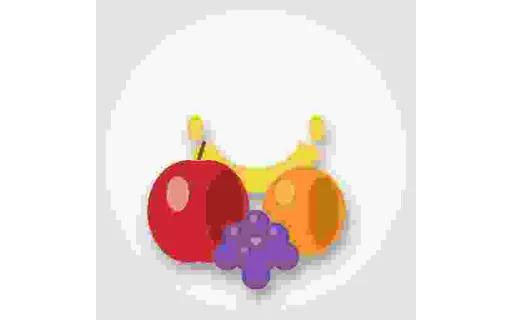
The fruit still life as a baseline (sequential) JPEG — paired with a progressive JPEG of identical content for testing decode order and progressive-rendering support.

Specifications
- Width
- 512
- Height
- 512
- Encoding
- baseline (sequential)
- Quality
- 90
What is a .jpg file?
JPG is the common extension for JPEG, a lossy raster format that uses discrete cosine transform compression tuned for photographic images. It is 8-bit truecolor with no alpha channel, and quality is traded against file size via a compression factor. It is ubiquitous for photos on the web and from cameras.
How to use this file
Use an example JPG to test decoders, EXIF/metadata parsers, re-encoding quality, and orientation handling, or to confirm converters and image pipelines process baseline and progressive scans correctly.
How to use this file for testing
“Baseline JPEG” is a deterministic Novus Examples fixture for Compression testing, Image pipeline QA. The same source saved at quality 10/50/90 for comparing compression artefacts and quality settings.
Documented properties for this file: 512×512 · baseline (sequential). Compare results against paired or grouped companions on this page when present (clean↔damaged, searchable↔scanned, or format twins) so scores stay reproducible across runs.
Download the file once, keep the path stable in CI or local scripts, and treat the spec table as the contract: dimensions, seeds, field lists, and roles are intentional. Corrupt or invalid samples are labelled as such — expect parsers to fail loudly rather than silently accept them.
For image AI or enhancement tools, run the model or filter on this file and diff against the clean or ground-truth companion in the same group when available. Keep seeds and documented damage parameters in your evaluation notes so regressions are attributable.
Code examples
<img src="fruit-baseline.jpg" alt="Example image" width="640" loading="lazy">Related files
- pngJPEG Artefact Clean Reference (512px)Lossless PNG ground truth for JPEG blocking / ringing artefact repair tests.
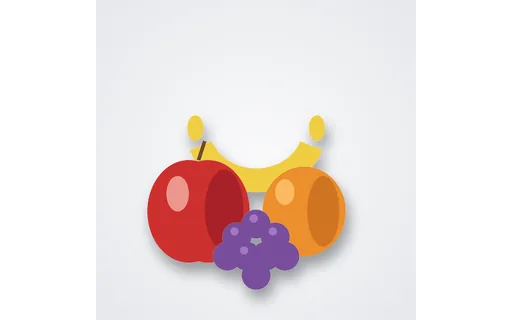
- jpgJPEG Artefacts — Quality 10 (512px)Fruit still life saved at JPEG quality 10 — heavy blocking/ringing for artefact-removal and enhance tools.

- jpgJPEG Artefacts — Quality 15 (512px)Fruit still life saved at JPEG quality 15 — heavy blocking/ringing for artefact-removal and enhance tools.
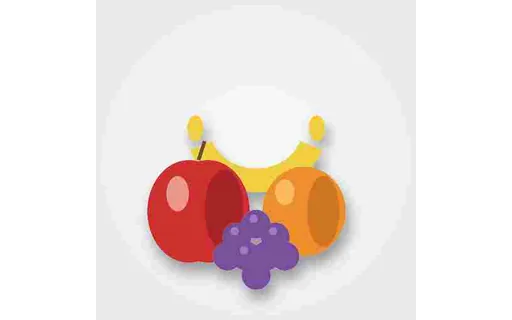
- jpgJPEG Artefacts — Quality 25 (512px)Fruit still life saved at JPEG quality 25 — heavy blocking/ringing for artefact-removal and enhance tools.
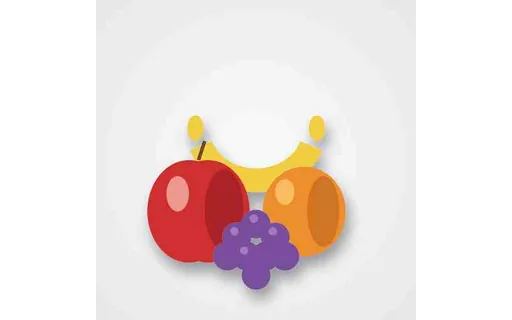
- jpgJPEG Artefacts — Quality 40 (512px)Fruit still life saved at JPEG quality 40 — heavy blocking/ringing for artefact-removal and enhance tools.
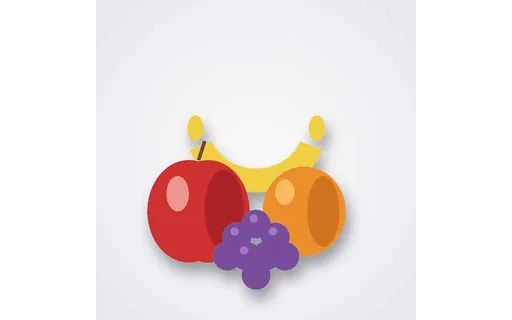
- jpgJPEG Artefacts — Quality 5 (512px)Fruit still life saved at JPEG quality 5 — heavy blocking/ringing for artefact-removal and enhance tools.
Generated by generation/images_pipeline.py. Free for any use, no attribution required — license.