
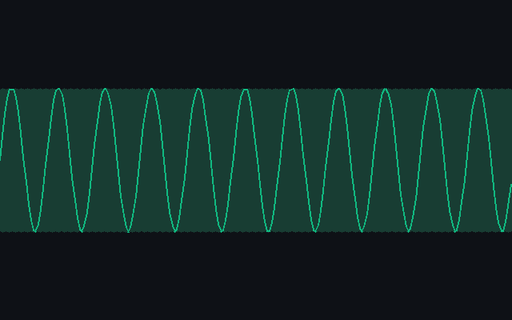
wav
31.3 KBLoudness Ladder — Moderate (440 Hz)
1 s 440 Hz tone at linear amplitude 0.15 (~-16.5 dBFS peak) — rung on the Wave E loudness ladder.
- File
- WAV · Loudness Ladder · 1 s
- Use case
- Loudness / LUFSAudio analysis· Conversion set
Search files, editable visual templates, and live browser targets from one registry-backed directory. Filtered query views stay crawlable for links but are deliberately noindex; the stable taxonomy pages below remain the canonical search surfaces.
Page 5 of 7; 24 results per page.
1 s 440 Hz tone at linear amplitude 0.15 (~-16.5 dBFS peak) — rung on the Wave E loudness ladder.
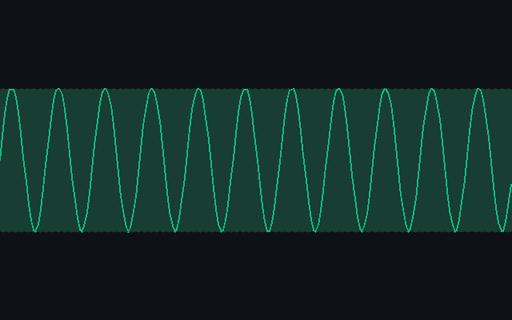
1 s 440 Hz tone at linear amplitude 0.95 (~-0.45 dBFS peak) — rung on the Wave E loudness ladder.
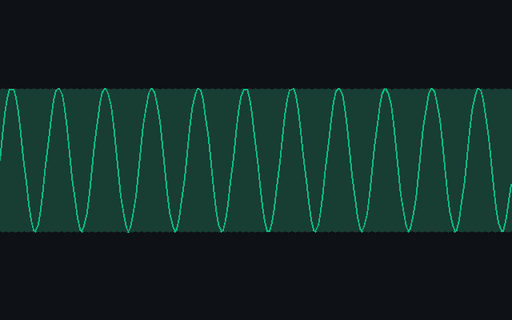
1 s 440 Hz tone at linear amplitude 0.35 (~-9.1 dBFS peak) — rung on the Wave E loudness ladder.
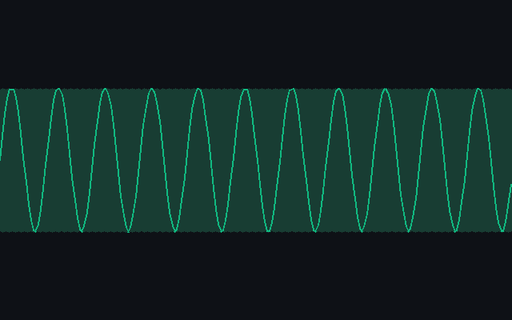
1 s 440 Hz tone at linear amplitude 0.05 (~-26.0 dBFS peak) — rung on the Wave E loudness ladder.

1 s 440 Hz tone at linear amplitude 0.0 (digital silence) — rung on the Wave E loudness ladder.
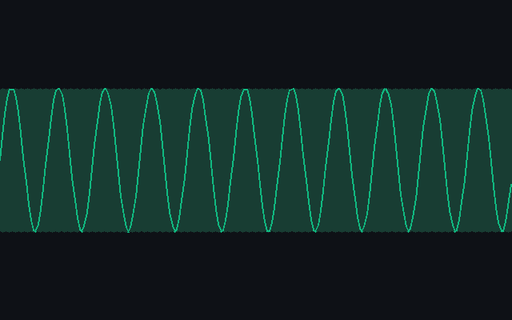
1 s 440 Hz tone at linear amplitude 0.75 (~-2.5 dBFS peak) — rung on the Wave E loudness ladder.
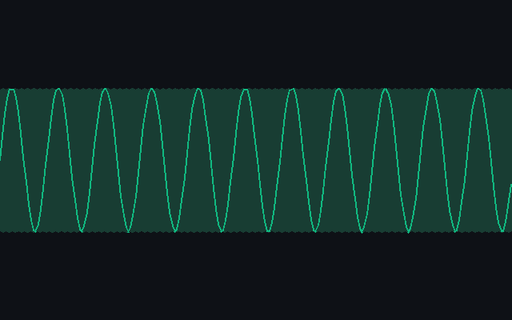
1 s 440 Hz tone at linear amplitude 0.02 (~-34.0 dBFS peak) — rung on the Wave E loudness ladder.
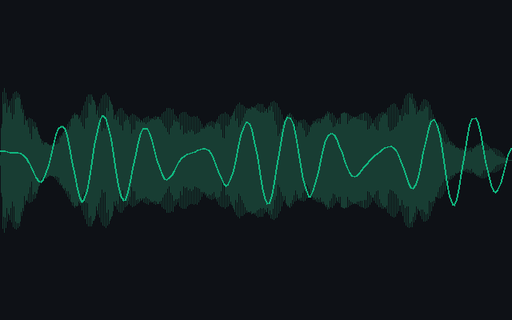
The clip as AAC in an MP4/M4A container (faststart) — Apple's default audio container. For testing M4A parsing and MP4 audio conversion.
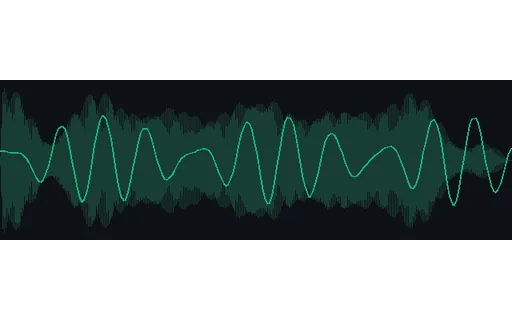
The clip as an M4R iPhone ringtone — AAC in an MP4 container with the ringtone extension. For testing that a converter maps M4R↔M4A correctly.
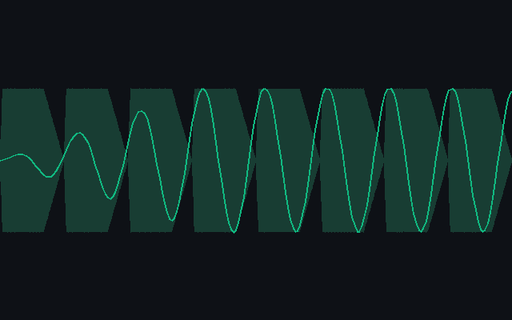
A two-second melody playing an ascending C-major scale (C4 to C5) with per-note envelopes — a simple musical signal for testing pitch detection, onset detection, and playback.
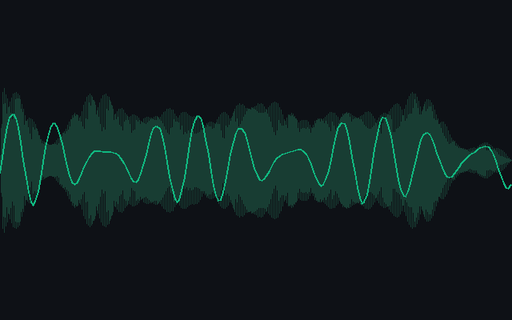
The source clip as constant-bitrate MP3 (LAME, 192 kbps) — the most universally supported lossy audio format. For testing MP3 decoders, players, and conversion.
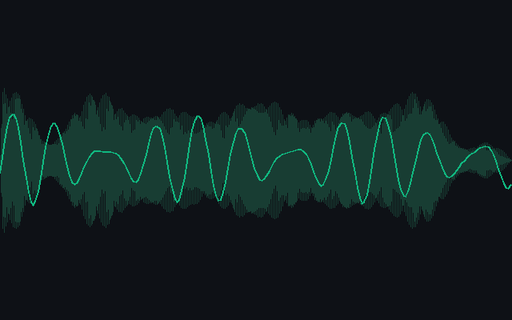
The same clip as variable-bitrate MP3 (LAME V2) — for testing VBR handling, seeking, and duration estimation against the CBR twin.
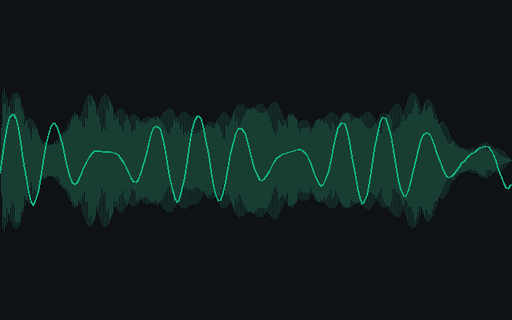
The same MPEG audio frames with leading and trailing ID3 metadata removed, for checking metadata scrubbing without an audio transcode.
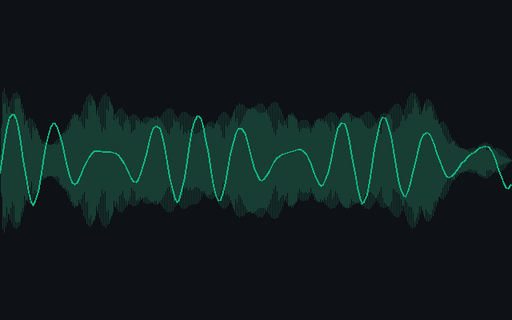
An MP3 with deterministic ID3v2.3 text frames and embedded PNG cover art wrapped around unchanged MPEG audio frames.
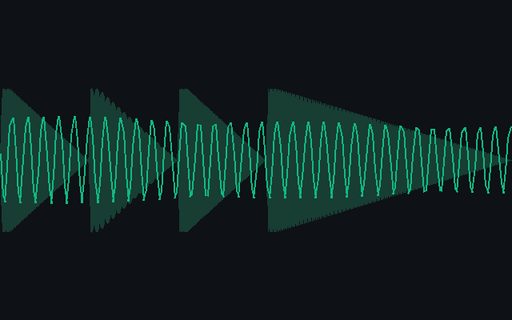
A short four-note notification chime (a C-major arpeggio with a decaying final note) — a pleasant, recognisable UI sound for testing playback, short-clip handling, and notification pipelines.
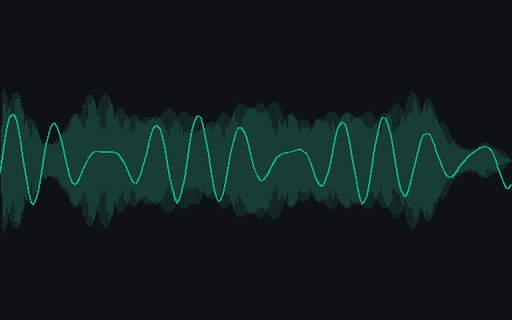
The clip as Ogg Vorbis — a royalty-free lossy codec. Browser-playable; for testing Vorbis decoding and Ogg conversion.
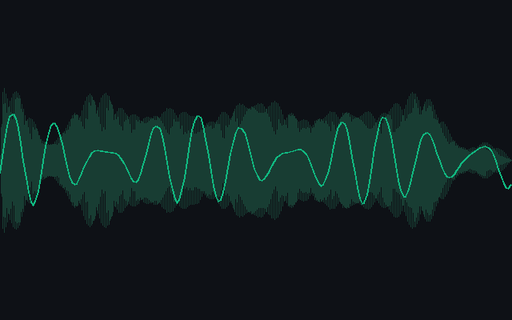
The clip as Opus — the modern low-latency codec used by WebRTC and streaming. Browser-playable; for testing Opus decoding and conversion.
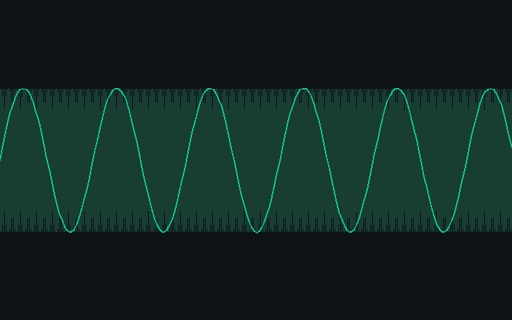
Clean 220 Hz tone (amp 0.45) — reference twin for the hard-clipped pair.
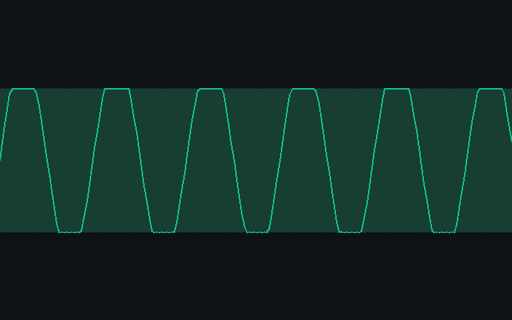
Hard-clipped twin of the 220 Hz tone (×3.2 then clip to ±1) for peak/limiter tests.
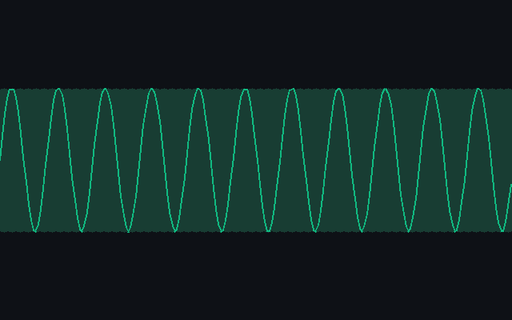
Clean 440 Hz tone (amp 0.45) — reference twin for the hard-clipped pair.
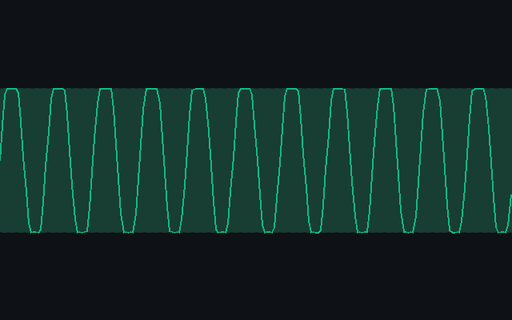
Hard-clipped twin of the 440 Hz tone (×3.2 then clip to ±1) for peak/limiter tests.
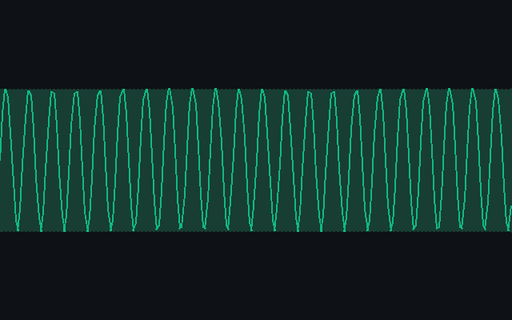
Clean 880 Hz tone (amp 0.45) — reference twin for the hard-clipped pair.
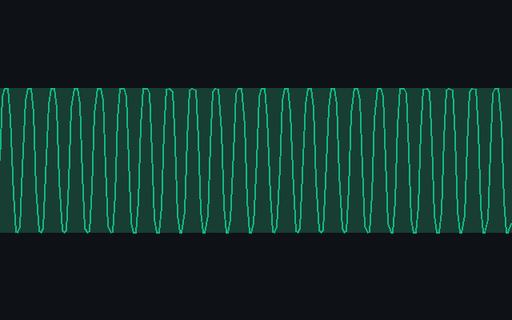
Hard-clipped twin of the 880 Hz tone (×3.2 then clip to ±1) for peak/limiter tests.
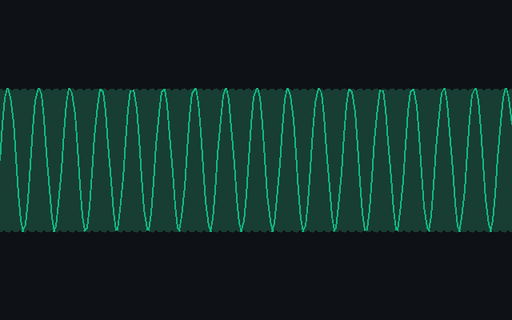
Clean 660 Hz tone (amp 0.45) — reference twin for the hard-clipped pair.
We use Google Analytics and show ads via Adsterra. Non-essential cookies and ad scripts run only after you allow the matching categories. See our cookie policy.