
Peak-Clip Pair 03 — Clipped (880 Hz)
Hard-clipped twin of the 880 Hz tone (×3.2 then clip to ±1) for peak/limiter tests.
Specifications
- Sample Rate
- 16000
- Frequency
- 880
- Gain Before Clip
- 3.2
- Role
- hard-clipped
- Seed
- 2103
Testing contract
Expected to pass- Scenario
- Exercise Peak-Clip Pair 03 — Clipped (880 Hz) in its peak clip workflow. Hard-clipped twin of the 880 Hz tone (×3.2 then clip to ±1) for peak/limiter tests.
- Expected result
- PCM contains 12800 frames at 16000 Hz; 1 channel(s), 16 bits/sample; duration is 0.800000 seconds. Declared feature checks: sampleRate=16000; frequency=880; gainBeforeClip=3.2; role=hard-clipped. The declared comparison counterpart is aud-we-clip-03-clean; preserve the stated difference instead of expecting the container bytes to match.
What is a .wav file?
WAV (Waveform Audio) is a RIFF-based container that typically holds uncompressed linear PCM audio, though it can wrap other codecs. Because samples are stored raw, files are large but lossless and simple to read, with configurable sample rate, bit depth, and channel count. It is the standard format for high-fidelity and intermediate audio.
How to use this file
Use an example WAV to test PCM decoding, sample-rate and bit-depth handling, waveform rendering, and audio pipelines that need a lossless reference source.
How to use this file for testing
“Peak-Clip Pair 03 — Clipped (880 Hz)” is a deterministic Novus Examples fixture for Loudness / LUFS, Audio analysis. Documented loudness ladders, clipped vs clean twins, and sample-rate conversion sets for loudness meters and normalizers.
Documented properties for this file: seed 2103 · hard-clipped · 16000 Hz. Compare results against paired or grouped companions on this page when present (clean↔damaged, searchable↔scanned, or format twins) so scores stay reproducible across runs.
Download the file once, keep the path stable in CI or local scripts, and treat the spec table as the contract: dimensions, seeds, field lists, and roles are intentional. Corrupt or invalid samples are labelled as such, expect parsers to fail loudly rather than silently accept them.
Media fixtures are short and synthetic by design. Prefer waveform or transcript ground truth in the same group when measuring ASR, trim, upscale, or sync tools; do not assume broadcast-quality masters.
Measure integrated loudness / true peak against the documented amplitude or clip role. Ladder rungs differ only by level, so meter regressions are easy to attribute.
Code examples
<audio controls preload="none" src="pair-03-clipped.wav"></audio>Related files
- wavPeak-Clip Pair 01 — Clean (220 Hz)Clean 220 Hz tone (amp 0.45) — reference twin for the hard-clipped pair.
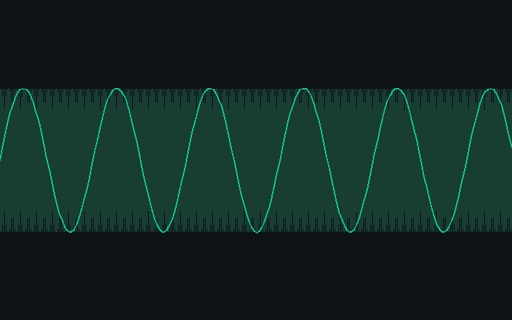
- wavPeak-Clip Pair 01 — Clipped (220 Hz)Hard-clipped twin of the 220 Hz tone (×3.2 then clip to ±1) for peak/limiter tests.
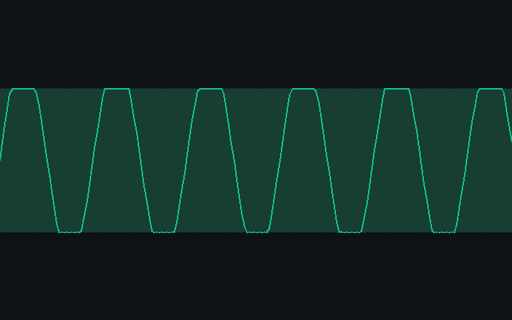
- wavPeak-Clip Pair 02 — Clean (440 Hz)Clean 440 Hz tone (amp 0.45) — reference twin for the hard-clipped pair.
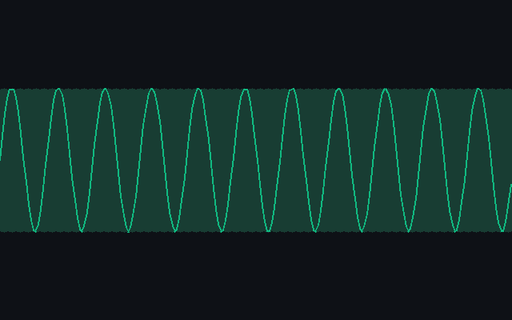
- wavPeak-Clip Pair 02 — Clipped (440 Hz)Hard-clipped twin of the 440 Hz tone (×3.2 then clip to ±1) for peak/limiter tests.
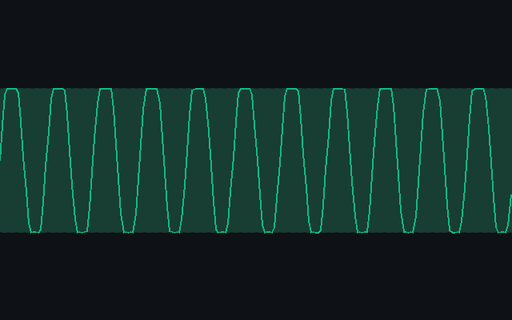
- wavPeak-Clip Pair 04 — Clean (660 Hz)Clean 660 Hz tone (amp 0.45) — reference twin for the hard-clipped pair.
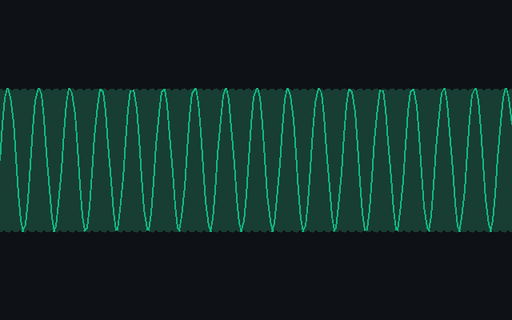
- wavPeak-Clip Pair 04 — Clipped (660 Hz)Hard-clipped twin of the 660 Hz tone (×3.2 then clip to ±1) for peak/limiter tests.
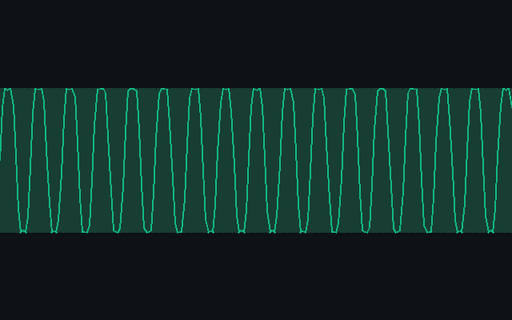
Generated by generation/audio_wave_e.py. Free for any use, no attribution required, license.