
M4R — iPhone Ringtone
The clip as an M4R iPhone ringtone — AAC in an MP4 container with the ringtone extension. For testing that a converter maps M4R↔M4A correctly.
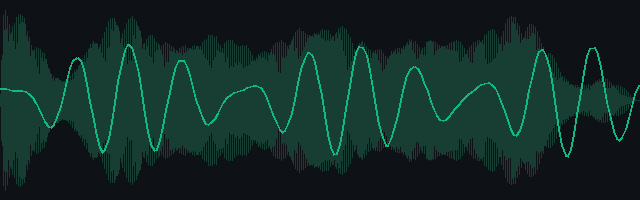
Rendered preview of the m4r file (72.3 KB). Download above for the original.
Specifications
- Source
- 3 s A-major triad, 44.1 kHz stereo
- Codec
- AAC-LC
- Container
- MP4 (ringtone)
- Lossless
- false
What is a .m4r file?
M4R is an Apple ringtone format that is technically an M4A/MP4 audio file with a renamed extension recognized by iOS and iTunes as a ringtone. It contains AAC audio, typically a short clip. The distinct extension is used purely to categorize the file as a ringtone.
How to use this file
Use an example M4R to test ringtone import workflows, verify that MP4 audio parsers handle the alternate extension, and exercise converters that produce iOS ringtones.
How to use this file for testing
“M4R — iPhone Ringtone” is a deterministic Novus Examples fixture for Conversion testing, Audio analysis. The same content exported across many formats and linked as a group, so you can convert one and diff against the expected twin.
Documented properties for this file: M4R · 74,067 bytes. Compare results against paired or grouped companions on this page when present (clean↔damaged, searchable↔scanned, or format twins) so scores stay reproducible across runs.
Download the file once, keep the path stable in CI or local scripts, and treat the spec table as the contract: dimensions, seeds, field lists, and roles are intentional. Corrupt or invalid samples are labelled as such — expect parsers to fail loudly rather than silently accept them.
Media fixtures are short and synthetic by design. Prefer waveform or transcript ground truth in the same group when measuring ASR, trim, upscale, or sync tools; do not assume broadcast-quality masters.
Related files
- wav1 kHz Tone @ 16000 Hz Sample Rate (WAV)A 1 kHz sine tone sampled at 16000 Hz — part of a sample-rate ladder (8/16/44.1/48/96 kHz) of the identical tone, for testing resampling, sample-rate detection, and aliasing.
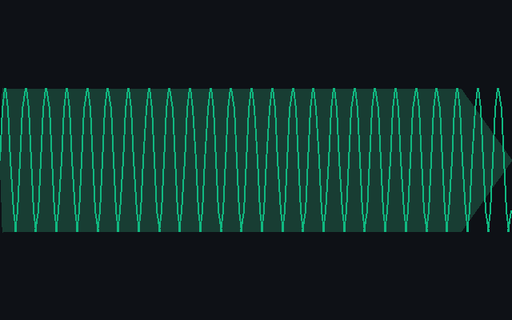
- wav1 kHz Tone @ 44100 Hz Sample Rate (WAV)A 1 kHz sine tone sampled at 44100 Hz — part of a sample-rate ladder (8/16/44.1/48/96 kHz) of the identical tone, for testing resampling, sample-rate detection, and aliasing.
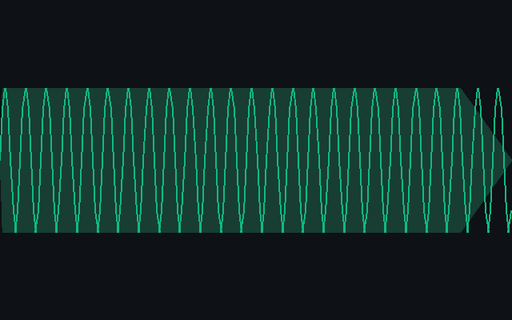
- wav1 kHz Tone @ 48000 Hz Sample Rate (WAV)A 1 kHz sine tone sampled at 48000 Hz — part of a sample-rate ladder (8/16/44.1/48/96 kHz) of the identical tone, for testing resampling, sample-rate detection, and aliasing.
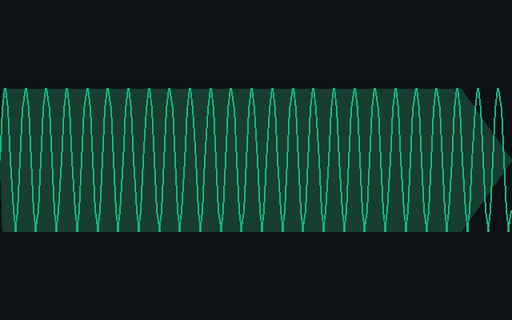
- wav1 kHz Tone @ 8000 Hz Sample Rate (WAV)A 1 kHz sine tone sampled at 8000 Hz — part of a sample-rate ladder (8/16/44.1/48/96 kHz) of the identical tone, for testing resampling, sample-rate detection, and aliasing.
- wav1 kHz Tone @ 96000 Hz Sample Rate (WAV)A 1 kHz sine tone sampled at 96000 Hz — part of a sample-rate ladder (8/16/44.1/48/96 kHz) of the identical tone, for testing resampling, sample-rate detection, and aliasing.
- wav440 Hz Tone @ 16-bit (WAV)A 440 Hz sine tone stored as 16-bit PCM — part of a bit-depth ladder (8/16/24-bit) of the identical tone, for testing bit-depth conversion, dithering, and quantisation-noise handling.
Generated by generation/audio_codecs.py. Free for any use, no attribution required — license.