
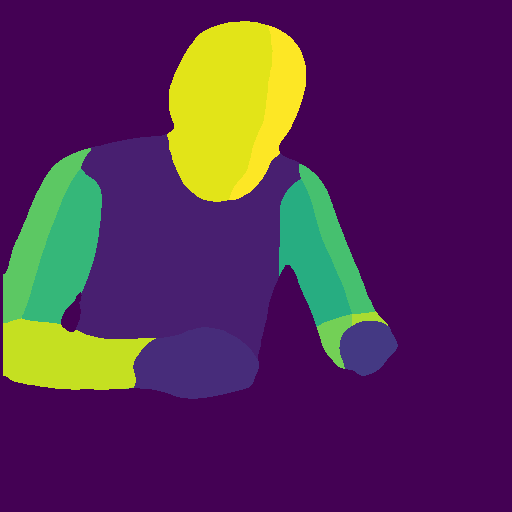
P accountant: dense pose map
A dense pose map for the published plate p-accountant.png, 512x512. DensePose body-part segmentation, which labels regions of every person it finds rather than returning a skeleton, so background figures are labelled as well as the subject. Lit coverage measures 100.0% of the frame. The plate and this map are the same scene at the same size, so they can be compared pixel for pixel rather than by eye.
Specifications
- Width
- 512
- Height
- 512
- Coverage
- 1
- Standard Deviation
- 57.06
- Derivation Kind
- pose
- Source Plate
- p-accountant.png
- Degenerate
- false
- Alt Text
- Middle aged indian man accountant at a desk with paper ledgers and a calculator, desk lamp, as a dense body-part map, each region of every person in a distinct colour
- Synthetic
- true
- Disclosure
- Derived from an AI-generated plate. Synthetic, not a photograph of a real scene.
- Schema Version
- 1
Testing contract
Expected to pass- Scenario
- Open this pose map and the published plate p-accountant.png, compare their dimensions, then measure the share of the frame that is lit.
- Expected result
- Both are 512x512, so the map and the photograph compare pixel for pixel with no resample in between - which is the step a test should not have to trust. Lit coverage measures 100.00% of the frame.
What is a .png file?
PNG (Portable Network Graphics) is a raster image format using lossless DEFLATE compression. It supports full 8- or 16-bit-per-channel truecolor, palette, and greyscale modes with an optional alpha channel, but no animation. It is the standard choice for screenshots, logos, and graphics with sharp edges or transparency.
How to use this file
Use an example PNG to test image decoders, alpha-compositing, thumbnail generators, and format converters, or to verify that a pipeline preserves transparency and color depth on round-trip.
How to use this file for testing
“P accountant: dense pose map” is a deterministic Novus Examples fixture for Pose estimation. DensePose body-part segmentation for photographs that actually contain people, labelling regions rather than skeletons, including background figures. Scenes with nobody in them are deliberately absent rather than shipped blank.
Documented properties for this file: 512×512. Compare results against paired or grouped companions on this page when present (clean↔damaged, searchable↔scanned, or format twins) so scores stay reproducible across runs.
Download the file once, keep the path stable in CI or local scripts, and treat the spec table as the contract: dimensions, seeds, field lists, and roles are intentional. Corrupt or invalid samples are labelled as such, expect parsers to fail loudly rather than silently accept them.
For image AI or enhancement tools, run the model or filter on this file and diff against the clean or ground-truth companion in the same group when available. Keep seeds and documented damage parameters in your evaluation notes so regressions are attributable.
Code examples
<img src="p-accountant-pose.png" alt="Example image" width="640" loading="lazy">Related files
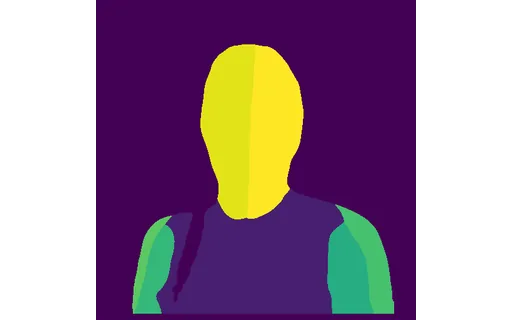
- pngA av f3: dense pose mapA dense pose map for the published plate a-av-f3.png, 512x512. DensePose body-part segmentation, which labels regions of every person it finds rather than returning a skeleton, so background figures are labelled as well as the subject. Lit coverage measures 100.0% of the frame. The plate and this map are the same scene at the same size, so they can be compared pixel for pixel rather than by eye.
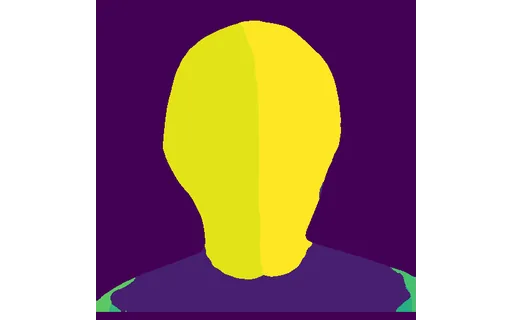
- pngA av f4: dense pose mapA dense pose map for the published plate a-av-f4.png, 512x512. DensePose body-part segmentation, which labels regions of every person it finds rather than returning a skeleton, so background figures are labelled as well as the subject. Lit coverage measures 100.0% of the frame. The plate and this map are the same scene at the same size, so they can be compared pixel for pixel rather than by eye.
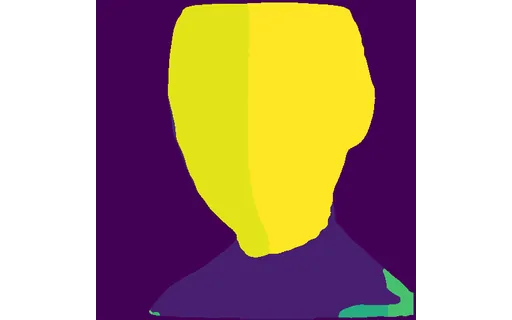
- pngA av f5: dense pose mapA dense pose map for the published plate a-av-f5.png, 512x512. DensePose body-part segmentation, which labels regions of every person it finds rather than returning a skeleton, so background figures are labelled as well as the subject. Lit coverage measures 100.0% of the frame. The plate and this map are the same scene at the same size, so they can be compared pixel for pixel rather than by eye.
- pngA av m3: dense pose mapA dense pose map for the published plate a-av-m3.png, 512x512. DensePose body-part segmentation, which labels regions of every person it finds rather than returning a skeleton, so background figures are labelled as well as the subject. Lit coverage measures 100.0% of the frame. The plate and this map are the same scene at the same size, so they can be compared pixel for pixel rather than by eye.
- pngA av m4: dense pose mapA dense pose map for the published plate a-av-m4.png, 512x512. DensePose body-part segmentation, which labels regions of every person it finds rather than returning a skeleton, so background figures are labelled as well as the subject. Lit coverage measures 100.0% of the frame. The plate and this map are the same scene at the same size, so they can be compared pixel for pixel rather than by eye.
- pngA av m5: dense pose mapA dense pose map for the published plate a-av-m5.png, 512x512. DensePose body-part segmentation, which labels regions of every person it finds rather than returning a skeleton, so background figures are labelled as well as the subject. Lit coverage measures 100.0% of the frame. The plate and this map are the same scene at the same size, so they can be compared pixel for pixel rather than by eye.
Generated by generation/comfy_derived_wave.py. Free for any use, no attribution required, license.