
Intentionally Corrupt — Truncated JPEG
An intentionally corrupt JPEG, truncated to half its bytes, for testing how a decoder handles incomplete image data. This is not a valid image by design.

Specifications
- Width
- 400
- Height
- 300
- Corruption
- truncated to 50% of bytes
- Intentionally Corrupt
- true
What is a .jpg file?
JPG is the common extension for JPEG, a lossy raster format that uses discrete cosine transform compression tuned for photographic images. It is 8-bit truecolor with no alpha channel, and quality is traded against file size via a compression factor. It is ubiquitous for photos on the web and from cameras.
How to use this file
Use an example JPG to test decoders, EXIF/metadata parsers, re-encoding quality, and orientation handling, or to confirm converters and image pipelines process baseline and progressive scans correctly.
How to use this file for testing
“Intentionally Corrupt — Truncated JPEG” is a deterministic Novus Examples fixture for Error handling. Deliberately corrupt and invalid files, clearly labelled, for testing how your tool fails.
Documented properties for this file: 400×300 · intentionally corrupt. Compare results against paired or grouped companions on this page when present (clean↔damaged, searchable↔scanned, or format twins) so scores stay reproducible across runs.
Download the file once, keep the path stable in CI or local scripts, and treat the spec table as the contract: dimensions, seeds, field lists, and roles are intentional. Corrupt or invalid samples are labelled as such — expect parsers to fail loudly rather than silently accept them.
For image AI or enhancement tools, run the model or filter on this file and diff against the clean or ground-truth companion in the same group when available. Keep seeds and documented damage parameters in your evaluation notes so regressions are attributable.
Code examples
<img src="truncated.jpg" alt="Example image" width="640" loading="lazy">Related files
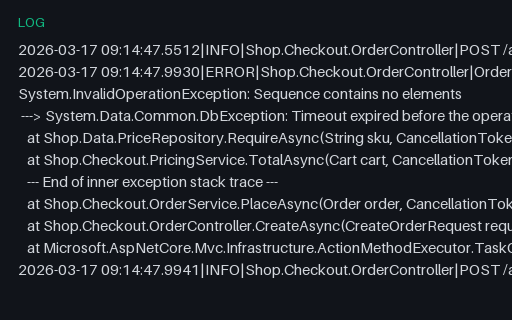
- log.NET Exception with an Inner Exception Chain (log)A .NET exception whose inner exception is introduced by the ---> marker and closed by End of inner exception stack trace, wrapped in pipe-delimited log lines. Error groupers that key on the outermost message alone merge two genuinely different faults here.
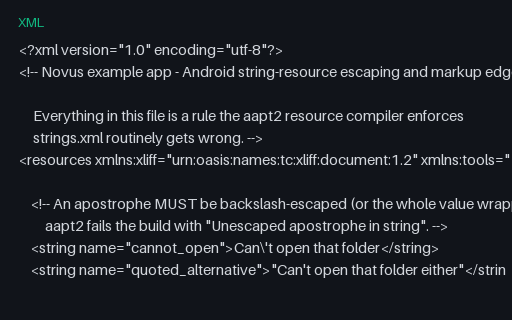
- xmlAndroid strings.xml — escaping, xliff:g and markup rulesEvery escaping rule aapt2 enforces on a strings.xml, in one file: backslash-escaped apostrophes and quotes, quoted values that preserve leading whitespace, an escaped @ and ?, CDATA-wrapped inline HTML, <xliff:g> placeholder protection with examples, formatted="false", translatable="false" and a scoped tools:ignore.
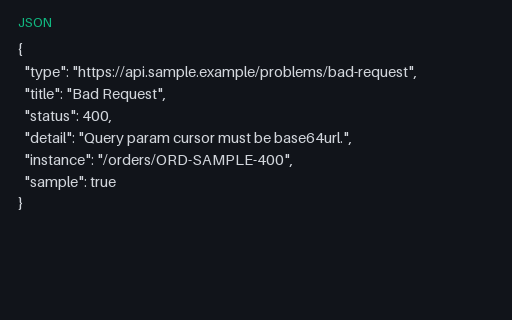
- jsonAPI Problem+JSON — Bad Request (400)RFC 7807 SAMPLE problem document for HTTP 400 (Bad Request) client tests.
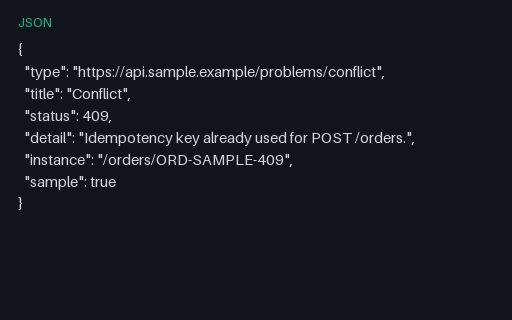
- jsonAPI Problem+JSON — Conflict (409)RFC 7807 SAMPLE problem document for HTTP 409 (Conflict) client tests.
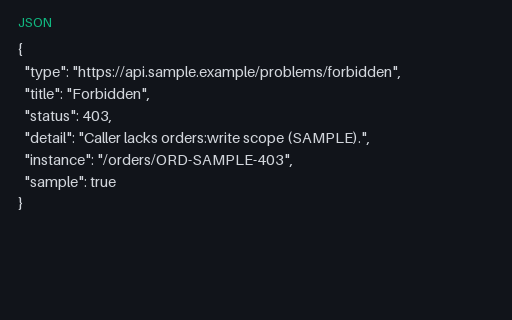
- jsonAPI Problem+JSON — Forbidden (403)RFC 7807 SAMPLE problem document for HTTP 403 (Forbidden) client tests.
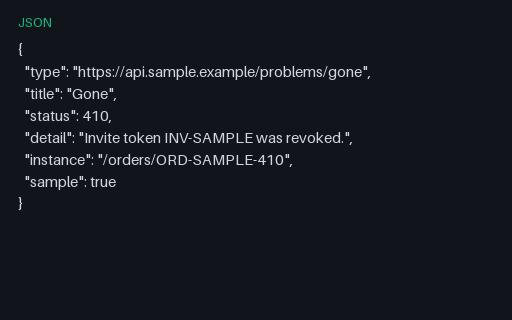
- jsonAPI Problem+JSON — Gone (410)RFC 7807 SAMPLE problem document for HTTP 410 (Gone) client tests.
Generated by generation/images_edgecases.py. Free for any use, no attribution required — license.